Breast milk gives your baby nutrients that promote growth and health. If you’re breastfeeding, it’s common to have questions about what foods and drinks are best for you. It’s also common to wonder how your diet might affect your breast milk and your baby.
Understand the basics of breastfeeding nutrition.
Yes. You might need to eat a little more to give you the energy and nutrition to produce milk. It’s typical to take in about 340 to 400 extra calories a day.
To get these extra calories, opt for nutrient-rich foods.
Focus on making healthy choices to help fuel your milk production. Opt for protein-rich foods, such as lean meat, eggs, dairy, beans, lentils, and seafood low in mercury. Choose a variety of whole grains as well as fruits and vegetables.
Eating a variety of foods while breastfeeding will change the flavor of your breast milk. Tasting varied flavors may help babies more easily accept solid foods later when they can eat solid foods.
Your healthcare professional might suggest you take a daily multivitamin and mineral supplement until you wean your baby. This can help make sure you and your baby get all of the vitamins you need.
Drink when you’re thirsty. Drink more if your urine looks dark yellow. You might drink a glass of water or another beverage every time you breastfeed.
Choose water most of the time. Avoid choosing juices and drinks with added sugar. Also limit how much caffeine is in your drinks. Caffeine in your breast milk might make your baby fussy or affect your baby’s sleep.
If you follow a vegetarian or vegan diet, it’s especially important to choose foods that’ll give you the nutrients you need.
For protein, try plant sources, such as soy products and meat substitutes, legumes, lentils, nuts, seeds, and whole grains. Eggs and dairy products are other options.
Good sources of calcium are dark green vegetables and foods enriched and fortified with calcium. Examples are cow’s milk, yogurt, juices, soy milk, soy yogurt, and tofu.
Be careful about how much you have of some foods and drinks while you’re breastfeeding. For example:

Some foods or drinks in your diet could cause your baby to become fussy, have a reaction, or have intolerance. Symptoms of an intolerance include a rash, diarrhea, and wheezing. Talk with your baby’s healthcare professional if your baby becomes fussy or has symptoms of an intolerance soon after breastfeeding.
If you think that something in your diet might be affecting your baby, avoid that food or drink for up to a week. Do this to see if you notice any changes in your baby’s behavior or symptoms.
Remember, you don’t need to go on a special diet while breastfeeding your baby. Simply focus on making healthy choices. You and your baby will reap the rewards.

Milk Mamma Kidz Roll-on over the carotid artery, back of the neck and around breasts after every single feed, day and night.
Drink:
Moringa Herbal Capsules 3 capsules 3 times daily for milk supply as well as the correct nutrition
MultiVitamin Plus Herbal Capsule 2 capsules daily
Omega 3 Herbal Capsules 2 capsules daily
Collagen Herbal Capsules, 2 capsules twice daily
Bilberry Herbal Capsules, 2 capsules daily
Calcium and Bone Health Herbal Capsules for you calcium restores for when you breastfeeding. This is very important and you must drink 3 capsules 3 times daily.
Copper Restore Herbal Capsules, 2 capsules daily if you are struggling with tiredness.
Apply :
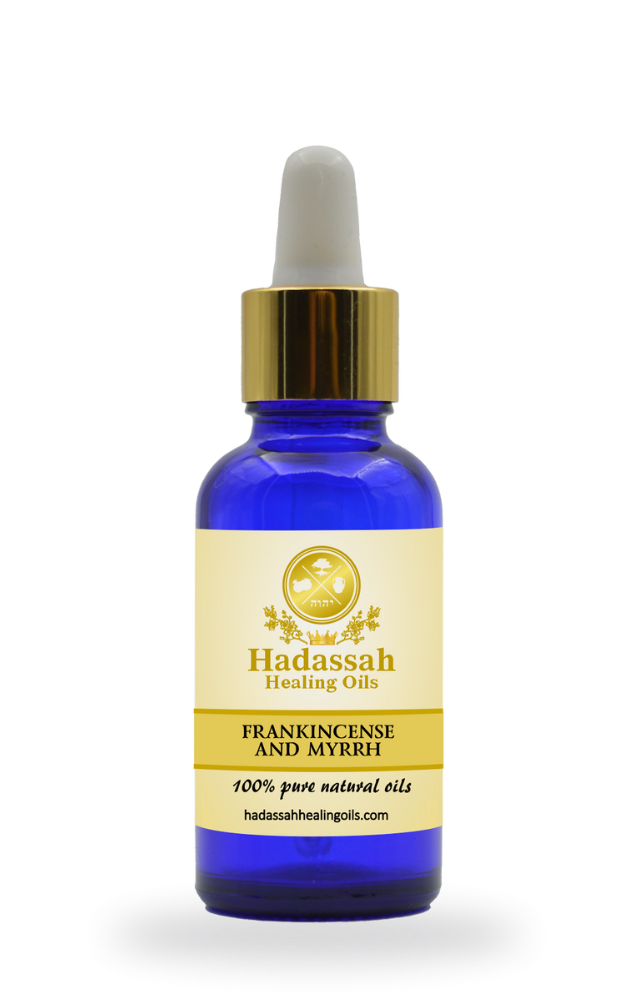
Frankincense and Myrrh Blend 30ml over the breast to help with inflammation while breastfeeding as well as Castor Oil over the breast with an Infrared Light
You can also use the Hormone Balance Blend 30ml 1 capsule daily (fill an Empty Veggie Capsule with the Blend), if you feel your hormones are not balanced, as well as Rescue and Trauma Diffuser Oils in a Diffuser at night to help with sleep deprivation.
Drink 1 capsule of Frankincense and Myrrh Blend 30ml daily
Drink extra Fennel and Clary Sage 2 drops of both in a empty Vegetable Capsules twice daily.
Drink :
Hair Skin and Nails Capsules 2 capsules 3 times daily
Use :
Pure Cedarwood, Bergamot, Rosemary and Lavender Oils massaged on your scalp and sleep with it and rinse off the following morning.