Restoring of the DNA of the Bride

KIDS PARASITE DETOX

Condition:

KIDS PARASITE DETOX

Definition:

KIDS PARASITE DETOX

Parasite Detox

The phases of the moon influence the activity of many biological organisms. Parasites and other microorganisms are thought to increase in activity around the full moon phase.

Many people are unaware that there is a strong likelihood they have parasites. Parasite infections are one of the most underdiagnosed conditions in the world. Some experts suggest that around 90% of Americans have parasites.

Parasites are organisms that depend on a host for survival.

Three types of parasites feast on humans: protozoa, helminths, and ectoparasites. Parasite infections cause diseases which can range from mild to life-threatening.

Parasites thrive to the detriment of the infected person. They often rob nutrients from their host. Nutrient deficiencies and gut issues are common in people with parasites.

The full moon is associated with higher parasite activity. This is because your body’s circadian rhythm responds to the moon’s cycle. Parasites are more active and reproductive coinciding with your circadian rhythm. During the full moon, we produce less melatonin and more serotonin. Parasites are more active with higher production of serotonin and less melatonin. We suggest that you start your parasite cleanse during the full moon, or make sure to up your parasite cleanse herbs and oils dosage during the full moon.

What are Parasites?
A parasite is an organism that lives on or in a host organism and gets its food from or at the expense of its host. There are three main classes of parasites:

Protozoa: These parasites are single-cell microscopic organisms that can multiply or divide within the host. They are transmitted from person to person through fecal matter, or blood or insect bites. An example is the parasite Plasmodium which causes malaria.

Helminths: These are worm parasites. They are larger, multi-celled organisms that may be visible to the naked eye. Examples are roundworms, pinworms, trichina spiralis, tapeworms, and flukes. It is estimated that half of the world’s population (over 3 billion people) is infected with at least one of three worms: roundworm, hookworm, and whipworm (1).

Ectoparasites: These live on, rather than in their hosts. Ectoparasites are also described as “blood-sucking arthropods.” Examples are lice, bed bugs, and fleas.

Parasites can be found in various systems and organs of the body, causing a range of symptoms and associated diseases. Here’s an in-depth exploration of where parasites are commonly found, their symptoms, and diseases associated with parasite infestations:

1. Digestive System:

  • Location: Intestinal parasites are most commonly found in the digestive tract, including the small intestine and large intestine (colon).
  • Symptoms: Symptoms of intestinal parasite infestations may include diarrhea, constipation, bloating, gas, abdominal pain, nausea, vomiting, weight loss, and changes in appetite.
  • Associated Diseases: Common diseases associated with intestinal parasites include giardiasis, cryptosporidiosis, amoebiasis, tapeworm infections, roundworm infections (ascariasis), and hookworm infections.

2. Liver and Gallbladder:

  • Location: Certain parasites, such as liver flukes (e.g., Fasciola hepatica), can infect the liver and gallbladder.
  • Symptoms: Liver and gallbladder parasite infections may cause abdominal pain, jaundice (yellowing of the skin and eyes), fever, nausea, vomiting, fatigue, and changes in stool color.
  • Associated Diseases: Diseases associated with liver and gallbladder parasites include fascioliasis, clonorchiasis, opisthorchiasis, and schistosomiasis.

3. Respiratory System:

  • Location: Parasites like lung flukes (e.g., Paragonimus species) can infect the lungs and respiratory system.
  • Symptoms: Respiratory parasite infections may lead to coughing, chest pain, difficulty breathing, wheezing, coughing up blood (hemoptysis), and lung inflammation.
  • Associated Diseases: Diseases associated with respiratory parasites include paragonimiasis and certain cases of pneumonia caused by parasitic infections.

4. Blood and Circulatory System:

  • Location: Blood-borne parasites, such as malaria parasites (Plasmodium species), can infect red blood cells and circulate throughout the bloodstream.
  • Symptoms: Blood parasite infections may cause fever, chills, sweating, fatigue, muscle aches, headache, anemia, and in severe cases, organ failure.
  • Associated Diseases: Diseases associated with blood parasites include malaria, babesiosis, trypanosomiasis (African sleeping sickness), and filariasis (elephantiasis).

5. Skin and Tissues:

  • Location: Parasites like certain mites (e.g., Sarcoptes scabiei) and worms (e.g., filarial worms) can infest the skin and underlying tissues.
  • Symptoms: Skin and tissue parasite infestations may lead to itching, rash, redness, skin lesions, blisters, swelling, and in some cases, secondary bacterial infections.
  • Associated Diseases: Diseases associated with skin and tissue parasites include scabies, cutaneous larva migraine, onchocerciasis (river blindness), and dracunculiasis (guinea worm disease).

6. Nervous System:

  • Location: Certain parasites, such as the pork tapeworm (Taenia solium) larvae, can migrate to the central nervous system (CNS), brain, and spinal cord.
  • Symptoms: Parasitic infections of the nervous system may cause headaches, seizures, neurological deficits, confusion, cognitive impairment, and in severe cases, coma.
  • Associated Diseases: Diseases associated with CNS and neurological parasites include neurocysticercosis (cysticercosis), cerebral malaria, and certain cases of meningitis caused by parasitic organisms.

7. Genitourinary System (encompasses the organs of the genital (reproductive) and urinary systems):

  • Location: Parasites like Schistosoma species can infect the genitourinary tract, including the bladder, ureters, and kidneys.
  • Symptoms: Genitourinary parasite infections may lead to hematuria (blood in urine), urinary tract infections (UTIs), urinary frequency, painful urination, and kidney damage.
  • Associated Diseases: Diseases associated with genitourinary parasites include schistosomiasis, urogenital schistosomiasis, and certain parasitic kidney diseases.

How Do You Get Parasites?

Parasites are everywhere. We can get them from contaminated food and water (including water in lakes, ponds, and rivers), improperly cooked meat (pork is notorious for containing parasites), contaminated fruits and vegetables, walking barefoot on contaminated soil, and other places. Owning pets and traveling to third world countries can also increase your risk of parasites.

When your Immune System is weak, you are more likely to contract a parasite infection. Imbalances in gut bacteria, poor diet, Chronic Stress, poor sleeping habits, unnecessary use of antibiotics, and other factors can weaken your immune system. This may predispose you to a parasite infection.


Symptom:

Parasite Detox

Here are  symptoms of parasitic infections in the human body, each with a short explanation to help identify possible parasitic presence. Parasites can live in the intestines, blood, tissues, liver, lungs, skin, and even the brain—causing wide-ranging, often misunderstood symptoms.

🔍 Gastrointestinal and Digestive Symptoms

  1. Bloating – Caused by gas released from parasites fermenting food in the intestines.
  2. Chronic constipation – Some parasites block the intestinal tract or interfere with motility.
  3. Diarrhea – Many parasites, especially protozoa like Giardia, disrupt water absorption.
  4. Gas and flatulence – Undigested food due to parasites causes excessive fermentation and gas.
  5. Mucus in stool – Indicates inflammation of the intestinal lining from parasitic activity.
  6. Unexplained weight loss – Parasites consume nutrients before the body can absorb them.
  7. Greasy, foul-smelling stools – May be due to fat malabsorption caused by intestinal parasites.
  8. Abdominal cramps or pain – Due to irritation or inflammation in the digestive tract.
  9. Nausea or vomiting – Especially after meals, can signal systemic toxicity or gut infestation.
  10. Loss of appetite – Some parasites interfere with hunger signals; others increase cravings.

🧠 Neurological and Mental Symptoms

  1. Brain fog – Toxins released by parasites can affect brain clarity and focus.
  2. Anxiety – Parasitic infections alter neurotransmitter balance and increase systemic inflammation.
  3. Depression – Chronic inflammation, poor nutrient absorption, and gut-brain axis disturbance play a role.
  4. Insomnia or waking up at 2–3 a.m. – The liver is detoxing during this time, often reacting to parasite waste.
  5. Teeth grinding (bruxism) – Especially in children, linked to nervous system irritation from parasites.
  6. Poor memory or concentration – Parasitic infections can impair cognitive function.
  7. Mood swings or irritability – Result from blood sugar imbalances and neurochemical changes.
  8. Restlessness or ADHD-like symptoms – Gut and brain inflammation can mimic hyperactivity.

💪 Systemic and Immune Symptoms

  1. Chronic fatigue – Due to nutrient depletion, immune system strain, and toxin burden.
  2. Low immunity/frequent infections – Parasites suppress and dysregulate the immune system.
  3. Allergic reactions or food intolerances – Parasites cause gut inflammation, increasing permeability (“leaky gut”).
  4. Unexplained inflammation – Especially of joints or tissues, often triggered by systemic parasite toxins.
  5. Anemia or iron deficiency – Parasites like hookworms feed on blood, depleting iron.
  6. Swollen lymph nodes – Immune response to parasitic presence in tissues or blood.
  7. Eosinophilia (high eosinophils in blood) – Often seen in lab tests with parasite infections.
  8. Itching around the nose or ears – Especially in children, common with pinworm infestation.
  9. Fever of unknown origin – Especially during active parasitic replication or migration.

🌿 Skin and External Signs

  1. Itchy skin or rashes – Toxin excretion through skin or immune reaction to larvae.
  2. Eczema or psoriasis flare-ups – Chronic parasitic infections worsen autoimmune-type skin conditions.
  3. Hives – Allergic reaction to parasitic proteins in blood or gut.
  4. Unexplained acne or boils – Skin purging toxins or inflammatory response to internal parasites.
  5. Sores that don’t heal well – Nutrient deficiency and immune suppression from chronic infestation.
  6. Crawling sensation under skin – With certain parasitic infections like Strongyloides or Morgellons-likesyndromes.
  7. Hair thinning or hair loss – Poor nutrient uptake and stress on the body may trigger shedding.

🧬 Reproductive and Hormonal Symptoms

  1. Irregular menstruation – Hormonal imbalance from toxin interference or stress response.
  2. PMS or PMDD worsening – Estrogen detox pathways are overwhelmed when parasite load is high.
  3. Infertility or difficulty conceiving – Chronic infections alter hormone and immune function.
  4. Low libido – General body toxicity and hormonal dysregulation reduce sexual drive.
  5. Urinary tract irritation – Parasites can migrate to or affect the urinary system.

🍬 Metabolic and Nutritional Symptoms

  1. Strong sugar or carb cravings – Parasites feed on glucose and manipulate host cravings.
  2. Nutrient deficiencies despite good diet – Especially zinc, iron, B12, and magnesium.
  3. Hypoglycemia symptoms – Parasites disrupt blood sugar regulation and insulin balance.
  4. Weight gain or difficulty losing weight – Toxin load and metabolic interference can block fat loss.

🦴 Musculoskeletal and Pain Symptoms

  1. Joint pain – Immune complexes reacting to parasitic antigens can cause arthritis-like pain.
  2. Muscle aches – Inflammation or tissue migration of parasites.
  3. Back pain – Especially lower back, can be referred pain from organs burdened with parasites.

🛏️ Behavioral and Lifestyle Clues

  1. Craving dirt or clay (pica) – Often linked to mineral deficiencies caused by parasites.
  2. Feeling “toxic” or unwell despite good habits – A sign that deeper infections or toxin burdens are present.
  3. Bad breath or coated tongue – Indicating gut imbalance and systemic toxicity.
  4. Increased symptoms around full moon – Parasites are more active and reproduce during lunar cycles, especially in the gut.

If someone experiences multiple symptoms from different categories, especially digestive + neurological + fatigue + skin symptoms, it is highly advised to do a parasite cleanse

Symptoms of a Parasite Infection – also refer to suggestions below on how to eliminate parasites

A parasite infection is often mistaken for other conditions. If you have plateaued in your healing journey or have persistent gut issues, these are signs that you may have a parasite infection.

Symptoms of parasite infections are widely varied. Parasites can go undetected with few symptoms or cause serious illnesses and even death. If you have a parasite infection, you may experience these symptoms:

  • Skin bumps or rashes, skin problems like itching, rash, or sores.
  • Sleep issues such as insomnia and poor sleeping habits.
  • Aches, general pain, muscle, and joint pain.
  • Weight loss, increased appetite, or both, or nutrient deficiencies.
  • Abdominal pain, diarrhea, and vomiting.
  • Fever, chills, and flu-like symptoms.
  • Weakness and feeling unwell.
  • Deficiencies in nutrients, especially iron, vitamin A, vitamin B12, copper, magnesium, and zinc.
  • Allergies.

Some often-overlooked symptoms of parasite infections are:

  • Teeth grinding.
  • Adrenal fatigue, fatigue, weakness, and general malaise.
  • Leaky gut and IBS.
  • Food cravings and insatiable hunger.
  • Low blood sugar.
  • Brain fog, anxiety, or depression.
  • Digestive disturbances such as diarrhea, constipation, bloating, and abdominal pain.
  • Neurological symptoms such as headaches, seizures, or cognitive changes.
  • Respiratory symptoms like coughing, chest pain, or difficulty breathing.
  • Urinary symptoms including blood in urine or frequent urination.
  • Jaundice (yellowing of the skin and eyes) in liver-related infections.

SUGGESTIONS

Eat an Anti-inflammatory Diet
Consuming a low-carbohydrate, anti-inflammatory diet throughout your parasite cleanse is important. Your body will begin to go into a state of nutritional ketosis, using ketones for energy rather than glucose. This will create energy stability, reduce your hunger and cravings, and stabilize your appetite and stress hormones.

Include healthy protein and plenty of healthy fats in your diet to help stabilize blood sugar. Healthy protein sources include grass-fed beef, organic eggs, wild-caught salmon, and organic poultry. Avocados, coconuts, olives, and their oils are healthy fats along with grass-fed butter and ghee. By consuming protein and fat, you will be better able to tolerate the parasite cleansing period, feel more mentally alert, and have fewer cravings.

Combine the protein and fat with phytonutrient-rich vegetables and anti-microbial herbs such as oregano, rosemary, and ginger. Sprouted pumpkin seeds, fresh pomegranate, raw garlic, and raw onions are some of the best foods for combating parasites.

Be sure to avoid sugars, grains, processed foods, alcohol, and conventional meats and dairy which may fuel a parasite infection and growth.

Intermittent Fasting
Intermittent fasting is eating foods within a certain window of time each day. It is divided into the building or feeding window when you consume food and the fasting or cleansing window when you are going without food. Different types of intermittent fasts include simple fasts, brunch fasts, cycle fasts, strong fasts, warrior fasts, and one-day food fasts.

The best way to start fasting is by doing a simple fast. With a simple fast, you consume only water for the 12 hours between dinner and breakfast. This gives the liver a chance to complete its cycle. Having a consistent pattern with intermittent fasting is the best way to develop metabolic flexibility and energy efficiency that strengthens our body’s internal resistance.

Extended Fasting
Extended fasting is fasting for over 48 hours. There are greater benefits to extending the fast beyond intermittent fasting. With extended fasting, your body can heal and repair cells, tissues, and organs at a higher and deeper level. Extended fasting is one of the most powerful healing tools you can utilize for a quick health transformation.

Other Fasting Approaches
Other fasting approaches include small amounts of certain calorie sources. Generally, the calorie load is ¼ of a person’s normal daily calorie intake. This can be a helpful approach for someone who is not ready for more challenging fasts. Bone broth fasting, green juice fasting.

Prioritize Sleep and Rest
It is normal to feel tired and sleepy during a parasite cleanse. This is a sign the body wants to focus on healing. Set aside extra time to rest and relax during the cleanse. Give yourself time to take a nap, enjoy an Epsom salt bath, diffuse essential oils. Pray and meditate on God’s Word, and slow down.

It is also important to prioritize good sleep overnight by going to bed early, keeping your room as dark as possible, and winding down well in the evenings. Sleep is critical for the immune system and for the brain to detoxify itself.

Regular Movement
It is important to avoid high-intensity exercise during a parasite cleanse. High-intensity exercise stimulates stress hormones. It also uses the energy the body needs for cleansing. Instead, get small bouts of low-intensity exercise such as 20–30 minutes of walking, or light elliptical work.

Regular movement helps the body move the lymphatic system and improves overall circulation and tissue oxygenation. In addition, it stimulates neurotransmitters in the brain such as dopamine and serotonin that help you feel better overall.

Optimize Hydration Levels
Optimal hydration is key during a parasite cleanse. Fermented vegetables, filtered water, bone broths, and herbal teas are all great to use while cleansing.

Fermented beverages provide organic acids, probiotics, potassium, and enzymes. Organic acids and probiotics help to balance your intestinal microflora. Potassium helps to flush toxins from the cells through the elimination channels, and enzymes assist the body in healing. Coconut water kefir, kombucha, apple cider vinegar drinks, water kefir, and fermented whey are fermented vegetables that are great to include while you are cleansing parasites.

For water, aim to drink at least half of your body weight in ounces per day. It is great to use reverse osmosis water with added minerals (or add ¼ tsp of pink salt per 3,5 liters). Filtering chlorine, fluoride, heavy metals, and pharmaceutical drugs from your water with a high-quality filter is critical.

Herbal teas are another option for hydration. They provide immune-stimulating superfood herbs that contain antioxidants and phytonutrients. This clean energy source facilitates deeper cleansing and has detoxifying properties. We suggest that you drink the Herbal Detox Tea, daily!

Consider Doing Enemas
Enemas are extremely effective at ridding the body of putrefied waste that is encased on the colon walls. There are different types of enemas, including water enemas, probiotic enemas, wheatgrass juice enemas, and organic coffee enemas.

Coffee enemas stimulate the liver to produce greater amounts of the master antioxidant glutathione. This can accelerate your results on a parasite cleanse.

Daily Bowel Movements
Daily bowel movements are important during a parasite cleanse. You want to eliminate the parasites as they are killed or your symptoms may worsen. When you are not eliminating daily, waste sits or moves slowly through your digestive tract. This waste is fermented by bacteria and becomes a breeding ground for bad microbes. These microbes also release toxins that create inflammation throughout the body.

A fantastic supplement for natural, gentle relief from constipation is our Herbal Constipation capsules, the Gut Cleanse blend. These products are specifically designed to promote digestive and detoxification support without causing cramping or dependency.

Dry Brushing, Saunas, and Sunbathing
Supporting detoxification during parasite cleansing is very important. Dry brushing, saunas, and sunbathing are great for detoxification.

For dry brushing, brush your skin in a circular manner beginning with your extremities and moving towards your torso and heart. It is best to do this before your shower using a natural bristle brush and following brushing with a warm shower. Dry brushing has many health benefits such as cleansing the lymphatic system, removing dead skin layers, improving the nervous system, and removing excess fluid from the body.

Spending time in an infrared sauna is a great way to stimulate the release of toxins. Sunbathing also enhances immunity and stimulates deeper cellular cleansing.

Spending time in the sun will charge your system with biophotons. It will also help to activate mitochondrial melatonin levels for mitochondrial protection and boost your vitamin D levels for immune and hormone balance.

Description:

KIDS PARASITE DETOX

Parasite Activity During the Full Moon
Parasites exhibit biological rhythms. Researchers continue to study how the biological rhythms of parasites are regulated and exhibited. Disrupting parasite rhythms can help eradicate parasites

The full moon is associated with higher parasite activity. Your body’s circadian rhythm responds to the moon’s cycle. Parasites are more active and reproductive coinciding with your circadian rhythm.

During the full moon, we produce less melatonin and more serotonin. Melatonin is the neurotransmitter that helps you sleep and helps to control your immune system. With lower levels of melatonin, your immune system does not fend off parasites effectively.

Serotonin, your “feel good” neurotransmitter, increases during the full moon. Like humans, parasites have receptors for serotonin. Parasites use serotonin to help them move. With access to more of your serotonin, they have more movement. The combination of less melatonin and more serotonin gives parasites a heightened ability to move around and cause issues.

The prevalence of parasitic infections varies significantly depending on factors such as geographical location, socioeconomic conditions, hygiene practices, and healthcare access. While it’s challenging to provide precise global statistics on the number of people with undiagnosed parasitic infections, several studies and reports shed light on the issue:

  1. Global Burden of Disease Study (2016): According to the Global Burden of Disease Study published in The Lancet, parasitic diseases such as Malaria, schistosomiasis, soil-transmitted helminth infections, and others collectively affect billions of people worldwide. These infections contribute significantly to the global burden of disease, especially in low- and middle-income countries.
  2. Soil-Transmitted Helminth Infections (STH): The World Health Organization (WHO) estimates that over 1.5 billion people worldwide are infected with soil-transmitted helminths, including roundworm, whipworm, and hookworm. Many of these infections go undiagnosed and untreated, particularly in regions with limited healthcare resources.
  3. Protozoal Infections: Protozoal infections such as giardiasis, amoebiasis, and cryptosporidiosis also pose a significant health burden. These infections can be widespread, especially in areas with inadequate sanitation and clean water supply.

Protocol:

KIDS PARASITE DETOX

Use this Protocol at least for 2 months

Parasite cleanse protocol for children:

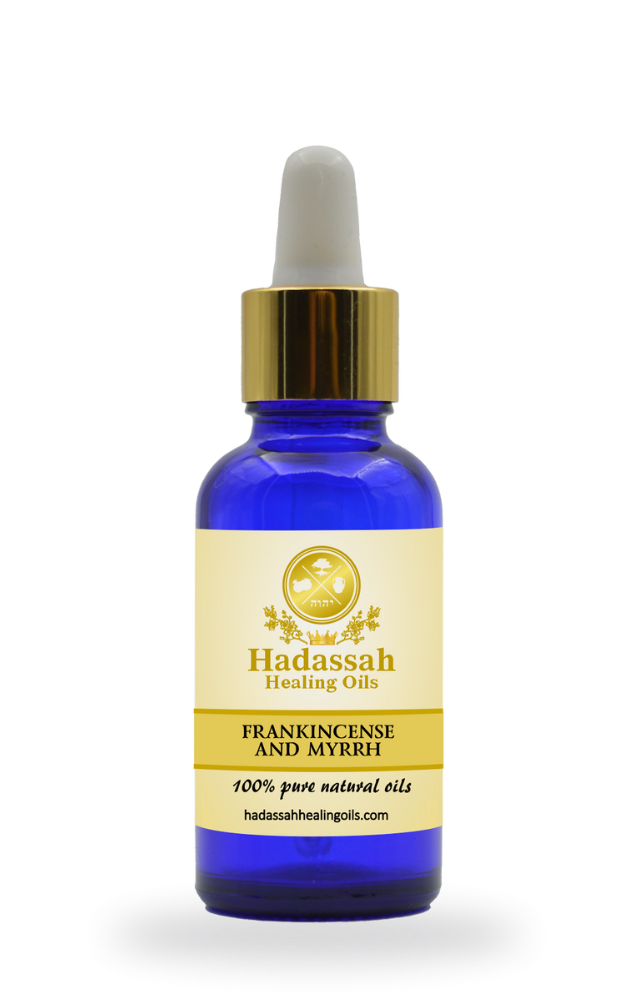
  • Infants (0-12 months):Breastfeeding: Breastfeeding provides infants with essential nutrients and antibodies that support their immune system and digestive health. Encourage exclusive breastfeeding for the first six months of life. Hygiene: Practice good hygiene by washing your hands before handling your baby, sterilizing feeding equipment, and keeping the environment clean. Consultation: If you suspect a parasitic infection in an infant, seek immediate medical attention. The treatment and detoxification process for infants should be guided by a pediatrician. Recommendation: Apply 5 drops of the Frankincense and Myrrh blend over the spine, daily. 2 Sprays in the mouth, of the Parasite-fix Tincture, 3 times, daily ( from 6 months), apply Parasite Cleanse Blend 30ml  2 drops underneath feet.
  • Toddlers (1-3 years) Diet: Provide a well-balanced diet rich in fruits, vegetables, whole grains, and lean proteins. Limit sugary snacks and processed foods that may promote parasite growth. Hydration: Ensure your toddler drinks plenty of water throughout the day to stay hydrated and support detoxification Probiotics: Consider giving probiotic supplements formulated for toddlers to support gut health and immune function- raw biotics kids once a day Hygiene: Teach your toddler good hygiene habits, such as washing hands before meals and after using the restroom. Recommendation: 3 Sprays of the Parasite-fix Tincture in mouth, 3 times, daily. 1 Capsules of the Diatoms, dissolved in water, once a day for the first week, rest a week, and proceed again for one week. Apply 3 drops of the the Parasite Cleanse blend, underneath the feet, twice, daily.
  • Preschoolers (3-5 years)Diet: Continue to emphasize a nutritious diet and include fiber-rich foods that support healthy digestion. Herbal Remedies: 1 Capsule, Diatoms, once a day for 5 days, rest for 2 days and proceed again for 5 days. Outdoor Safety: Educate preschoolers about avoiding soil or sand that may be contaminated with parasites. Encourage them to wash their hands thoroughly after playing outdoors. Personal Hygiene: Reinforce good personal hygiene practices, such as proper handwashing techniques and avoiding sharing utensils or cups with others. Recommendation: Apply 3 drops, twice daily, of the Parasite Cleanse blend, underneath the feet. 3 Sprays in the mouth, 3 times daily of the Parasite-fix TinctureDrink 1activated MMS drop, 2-3 times daily
  • School-age children (6-12 years): Diet: Encourage a balanced diet with plenty of fruits, vegetables, whole grains, and lean proteins. Minimize sugary snacks, processed foods, and beverages that may contribute to parasite growth. Herbal Remedies: Drink 1 capsule of Parasite-fix, twice, daily, for 3 weeks, rest for one week, and again for 3 weeks. 4 Sprays in the mouth, 3 times daily of the Parasite-fix TinctureHydration: Ensure your child stays hydrated with water and healthy beverages throughout the day. Hygiene and Environmental Awareness: Teach school-age children about proper hygiene practices, avoiding contaminated water sources, and maintaining a clean living environment. Recommendation: Apply 4 drops, twice, daily of the Parasite Cleanse blend, underneath the feet. Do a MMS Detox bath with 5-10 activated MMS in the bathwater twice a week

Adolescents (13-18 years): Diet: Encourage a balanced and nutrient-dense diet that supports overall health and immune function. Emphasize whole foods and minimize processed foods and sugary beverages. Herbal Supplements: Drink 2 capsules of the Herbal Parasite-fix, twice, daily. 3 Sprays in the mouth of the Parasite-fix Tincture, 4 times daily, for 3 weeks, rest for a week and proceed for another 3 weeks. Hydration and Lifestyle: Promote healthy hydration habits, regular physical activity, adequate sleep, and stress management techniques that support overall well-being and detoxification. Recommendation: Drink 1 Capsule, of the Parasite Cleanse blend, daily, for 3 weeks, rest for a week, and proceed for another 3 weeks.

Do a MMS Detox bath with 5-10 activated MMS in the bathwater twice a week


Precautions & Side Effects:

Recommended Products:

DIATOME 90 CAPS
R190.00 Incl. VAT
FRANKINCENSE AND MYRRH BLEND 30ML
R450.00 Incl. VAT
MMS (Chlorine Dioxide) 100ML
R800.00 Incl. VAT
MMS (Chlorine Dioxide) 50ML
R480.00 Incl. VAT
PARASITE CLEANSE PET CARE BLEND 30 ML
R290.00 Incl. VAT
PARASITE FIX HERBAL TINCTURE 50ml
R210.00 Incl. VAT

Complimentory Products:

December Deals Are Here!

Visit our Shop page and click on the December Sale filter to view over 400 products on special

For Distributors: Combine your wholesale discount with our December special for even bigger savings!