Axillary breast tissue, also called accessory breast tissue or polymastia, is the presence of extra breast tissue outside of the normal breast area, most commonly found in the armpit (axilla). During fetal development, breast tissue forms along two “milk lines” extending from the armpits to the groin. Normally, most of this tissue regresses, leaving only the two breasts. In some individuals, remnants persist, and axillary breast tissue develops.
This condition can affect both men and women, though it is more common in women. It may be composed of glandular tissue, fatty tissue, or both. It can respond to hormonal changes (puberty, menstruation, pregnancy, breastfeeding, menopause) in the same way as normal breast tissue.
Visible lump or swelling in the armpit that may become more prominent during hormonal changes.
Tenderness or pain, especially premenstrually or during breastfeeding.
Fullness or heaviness in the axilla.
Changes in size with hormonal fluctuations.
Milk secretion (rare, but possible if glandular tissue is present during lactation).
Cosmetic concern due to asymmetry or bulging in the armpit region.
Restricted arm movement or discomfort if the tissue is large.
Increased risk of pathology: the tissue is subject to the same conditions as normal breast tissue (fibroadenomas, cysts, mastitis, and even breast cancer, though rare).
Axillary breast tissue, also called accessory breast tissue or polymastia, is the presence of extra breast tissue outside of the normal breast area, most commonly found in the armpit (axilla). During fetal development, breast tissue forms along two “milk lines” extending from the armpits to the groin. Normally, most of this tissue regresses, leaving only the two breasts. In some individuals, remnants persist, and axillary breast tissue develops.
This condition can affect both men and women, though it is more common in women. It may be composed of glandular tissue, fatty tissue, or both. It can respond to hormonal changes (puberty, menstruation, pregnancy, breastfeeding, menopause) in the same way as normal breast tissue.
Visible lump or swelling in the armpit that may become more prominent during hormonal changes.
Tenderness or pain, especially premenstrually or during breastfeeding.
Fullness or heaviness in the axilla.
Changes in size with hormonal fluctuations.
Milk secretion (rare, but possible if glandular tissue is present during lactation).
Cosmetic concern due to asymmetry or bulging in the armpit region.
Restricted arm movement or discomfort if the tissue is large.
Increased risk of pathology: the tissue is subject to the same conditions as normal breast tissue (fibroadenomas, cysts, mastitis, and even breast cancer, though rare).
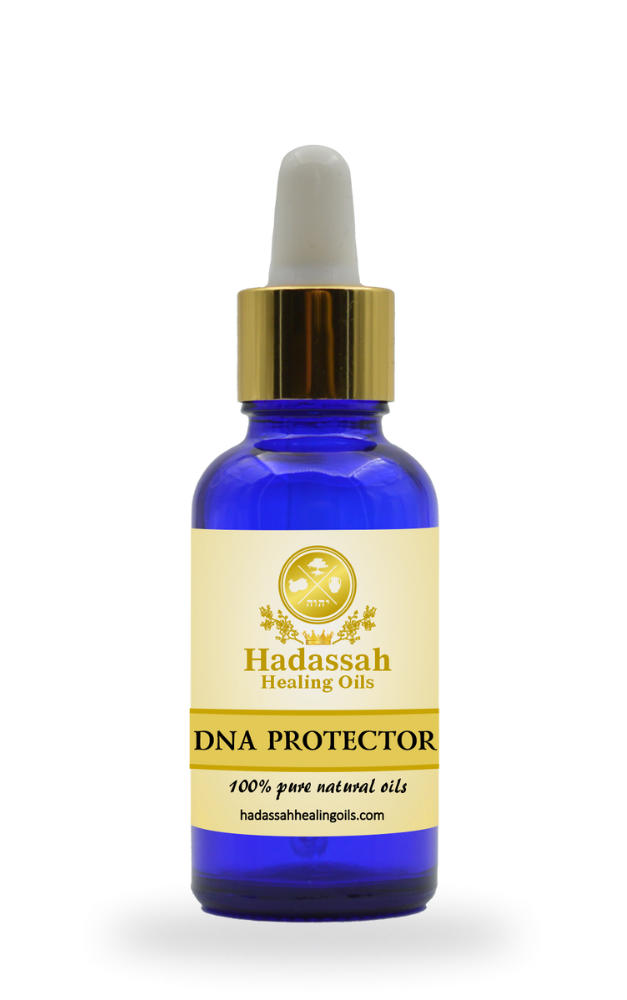
Adults: Drink 1 capsule daily.
Children between 13-16 years: Drink half a capsule and apply 5 drops over the breasts daily.
Ingestible
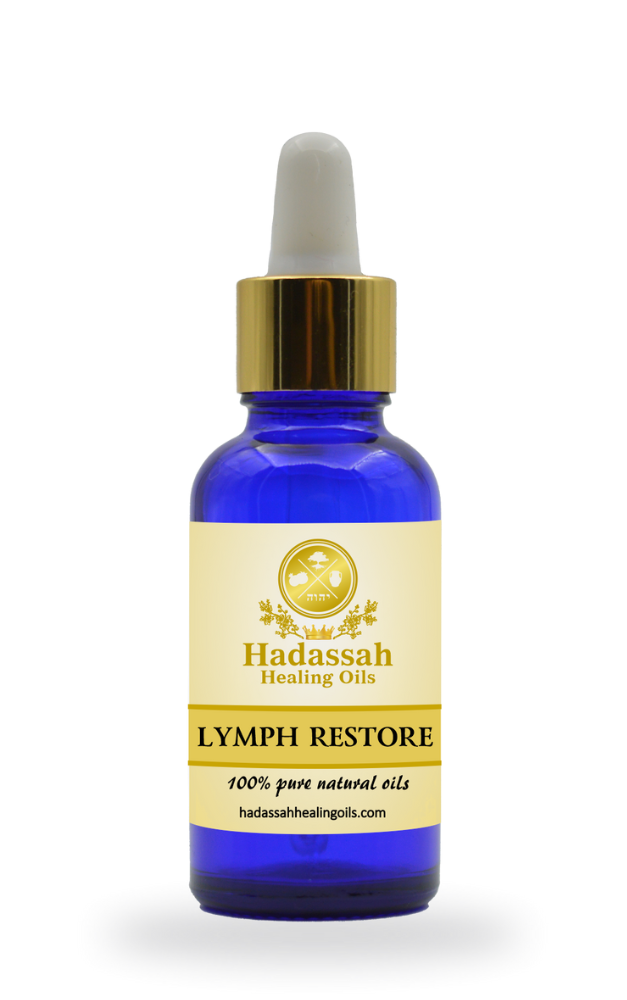
Adults: 1 capsule, daily, for overall lymph health, with a meal or snack.
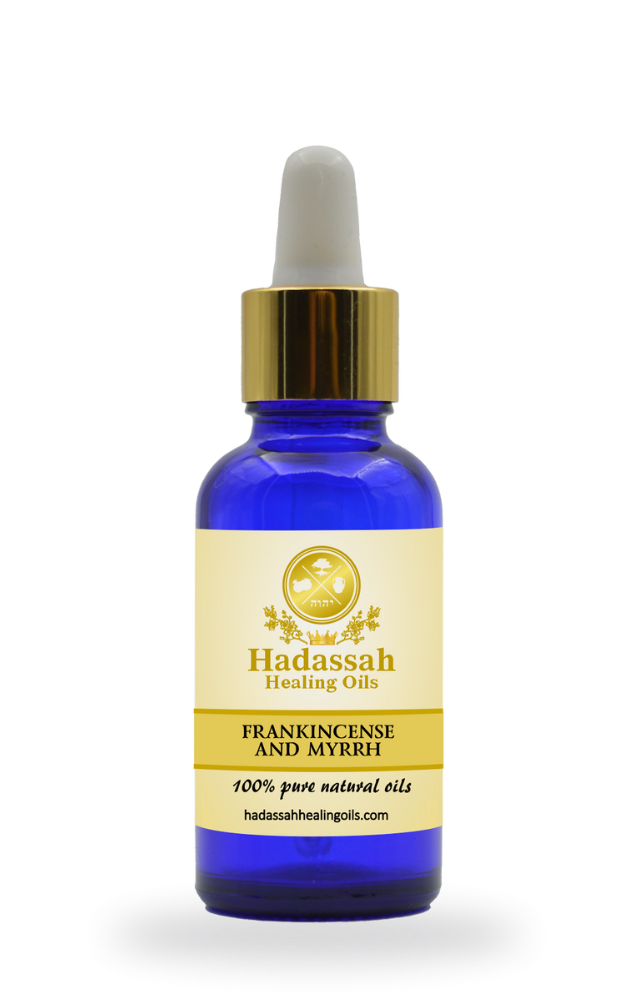
Frankincense and Myrrh Blend 30ml
Adults: Drink 1 capsule daily.
Children between 13-16 years: Same as adults.
IMPORTANT TO KNOW
All our blends come in a 30ml glass bottle, with a glass pipette and a rubber bulb on top. Don’t forget to buy empty veggie capsules when purchasing an ingestible blend. (Our veggie capsules are now available in 90’s and 150’s).
Never pre-fill capsules for future use, as this will compromise the veggie capsule and melt. Instead, always fill the capsules just before drinking them. (But if there is no other option, only prepare up to 3 days’ supply. You MUST then keep them upright in the refrigerator in a marked container; to know which blend it is filled with.)
Method – open the veggie capsule, then open your blend, squeeze, and release the rubber bulb to draw the oil blend up into the glass pipette dropper. Gently squeeze the rubber bulb to fill the larger part of the open capsule. Close the capsule before drinking it. Dosage is always a full capsule of a specific blend (between 15 to 18 drops) unless otherwise indicated.
Adults: Drink 1 capsule daily.
Children between 13-16 years: Drink 1 capsule daily.
4-8 squirts 3x daily.
30min before meals.
Apply 2-3 times daily to lymphatic drainage points (neck, underarms, groin, behind knees, and ankles).
Use in circular motions to encourage lymphatic flow.
Combine with gentle massage or dry brushing for enhanced effectiveness.
Do not apply to broken or irritated skin.
Apply between 30-40 drops over the lymph nodes via a light massage technique to stimulate the lymphatic system. Assists with both detoxifying the lymph and further support lymph drainage.