Hyperimmunoglobulin E Syndrome (HIES) — also known as Job’s Syndrome — is a rare primary immunodeficiency disorder characterized by extremely high serum IgE levels (usually >2000 IU/mL), recurrent infections, and connective tissue and skeletal abnormalities.
HIES is a genetic disorder affecting the body’s ability to regulate immune responses and inflammation. It involves abnormal signaling in the STAT3 or DOCK8 genes, which are critical for immune cell function, tissue repair, and defense against infection.
Autosomal Dominant (AD-HIES / STAT3 deficiency):
Caused by mutations in the STAT3 gene.
Affects both immune and non-immune systems.
Typical features include:
Recurrent “cold” abscesses (without redness or warmth)
Chronic eczema
Recurrent pneumonia → lung cysts
Retained primary teeth
Skeletal abnormalities (scoliosis, fractures)
Characteristic facial features (broad nose, deep-set eyes, prominent forehead)
Autosomal Recessive (AR-HIES / DOCK8 deficiency):
Caused by DOCK8 gene mutations.
More severe immunodeficiency with:
Severe viral infections (HSV, HPV, molluscum contagiosum)
Allergies and food sensitivities
Increased risk of lymphoma
No skeletal or dental abnormalities (unlike STAT3 type)
| System | Manifestations |
|---|---|
| Skin | Chronic eczema, skin abscesses, furuncles, staphylococcal infections |
| Respiratory | Recurrent pneumonias, bronchiectasis, pneumatoceles |
| Skeletal | Scoliosis, fractures, joint hyperextensibility |
| Dental | Retained primary teeth, delayed eruption of permanent teeth |
| Immune | High IgE, eosinophilia, impaired neutrophil chemotaxis |
| Neurologic (DOCK8 type) | Viral infections, warts, molluscum, sometimes encephalitis |
STAT3-HIES: Often survives into adulthood with controlled infections but may develop chronic lung disease.
DOCK8-HIES: More severe; without stem cell transplant, patients are at high risk for fatal infections and malignancies in childhood or early adulthood.
| System | Manifestations |
|---|---|
| Skin | Chronic eczema, skin abscesses, furuncles, staphylococcal infections |
| Respiratory | Recurrent pneumonias, bronchiectasis, pneumatoceles |
| Skeletal | Scoliosis, fractures, joint hyperextensibility |
| Dental | Retained primary teeth, delayed eruption of permanent teeth |
| Immune | High IgE, eosinophilia, impaired neutrophil chemotaxis |
| Neurologic (DOCK8 type) | Viral infections, warts, molluscum, sometimes encephalitis |
Hyperimmunoglobulin E Syndrome (HIES) — also known as Job’s Syndrome — is a rare primary immunodeficiency disorder characterized by extremely high serum IgE levels (usually >2000 IU/mL), recurrent infections, and connective tissue and skeletal abnormalities.
HIES is a genetic disorder affecting the body’s ability to regulate immune responses and inflammation. It involves abnormal signaling in the STAT3 or DOCK8 genes, which are critical for immune cell function, tissue repair, and defense against infection.
Autosomal Dominant (AD-HIES / STAT3 deficiency):
Caused by mutations in the STAT3 gene.
Affects both immune and non-immune systems.
Typical features include:
Recurrent “cold” abscesses (without redness or warmth)
Chronic eczema
Recurrent pneumonia → lung cysts
Retained primary teeth
Skeletal abnormalities (scoliosis, fractures)
Characteristic facial features (broad nose, deep-set eyes, prominent forehead)
Autosomal Recessive (AR-HIES / DOCK8 deficiency):
Caused by DOCK8 gene mutations.
More severe immunodeficiency with:
Severe viral infections (HSV, HPV, molluscum contagiosum)
Allergies and food sensitivities
Increased risk of lymphoma
No skeletal or dental abnormalities (unlike STAT3 type)
| System | Manifestations |
|---|---|
| Skin | Chronic eczema, skin abscesses, furuncles, staphylococcal infections |
| Respiratory | Recurrent pneumonias, bronchiectasis, pneumatoceles |
| Skeletal | Scoliosis, fractures, joint hyperextensibility |
| Dental | Retained primary teeth, delayed eruption of permanent teeth |
| Immune | High IgE, eosinophilia, impaired neutrophil chemotaxis |
| Neurologic (DOCK8 type) | Viral infections, warts, molluscum, sometimes encephalitis |
STAT3-HIES: Often survives into adulthood with controlled infections but may develop chronic lung disease.
DOCK8-HIES: More severe; without stem cell transplant, patients are at high risk for fatal infections and malignancies in childhood or early adulthood.
Apply 15 drops over the spine at night
Apply 2-3 times daily to the chest, back, and throat.
Do not apply to broken or sensitive skin.
Inhale Method
Apply generously, 2- 3 times daily, to the affected area.
Adults: Drink 1 capsule daily.
Children between 6-12 years: Apply a few drops to the affected area.
Children between 13-16 years: Same as adults.
If unable to use it internally, apply a few drops to the affected area and gently massage it into the skin. This can be used for pain relief, skin conditions, or as a general health tonic.
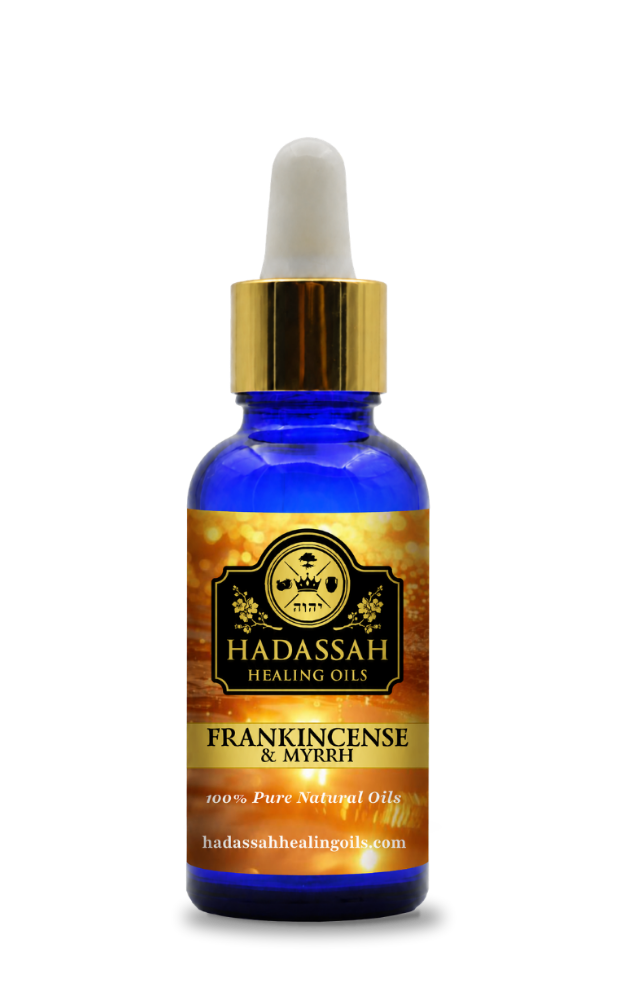
All our blends come in a 30ml glass bottle, with a glass pipette and a rubber bulb on top. Don’t forget to buy empty veggie capsules when purchasing an ingestible blend. (Our veggie capsules are now available in 90’s and 150’s).
Never pre-fill capsules for future use, as this will compromise the veggie capsule and melt. Instead, always fill the capsules just before drinking them. (But if there is no other option, only prepare up to 3 days’ supply. You MUST then keep them upright in the refrigerator in a marked container; to know which blend it is filled with.)
Method – open the veggie capsule, then open your blend, squeeze, and release the rubber bulb to draw the oil blend up into the glass pipette dropper. Gently squeeze the rubber bulb to fill the larger part of the open capsule. Close the capsule before drinking it. Dosage is always a full capsule of a specific blend (between 15 to 18 drops) unless otherwise indicated.
If you need to take more than one oil blend per day, spread them throughout the day to assist the body with proper absorption. Never drink more than two capsules of different blends at a time.
It is always good to have a very small snack/fruit before drinking capsules.
Refer to the demonstration link below (Oil in Capsules)
Drink 1 teaspoon, MZN 150g 450g, once a day (or up to 3 teaspoons, 3 times daily, depending on the severity of your condition); swallow the MZN, as you would swallow yogurt.
MZN is safe for children, but because of the taste you might have to hide it in their porridge or milk.
Builds Immunity – When you have immunity, your body can recognize and fight off viruses.
Stop using MZN 4 days before going in for any operation as it could affect blood clotting.
Diffuse in a Diffuser next to the bed in the evening :
We also strongly recommend a full Parasite Detox
Discount Applied Successfully!
Your savings have been added to the cart.