Restoring of the DNA of the Bride

Condition:

Dry Skin

Definition:

Dry Skin

Overview

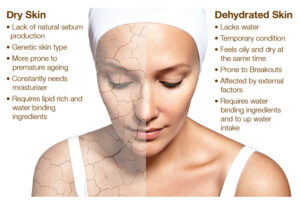
Dry skin makes the skin look and feel rough, itchy, flaky or scaly. The location where these dry patches form vary from person to person. It’s a common condition that affects people of all ages.

Dry skin, also known as xerosis or xeroderma, has many causes, including cold or dry weather, sun damage, harsh soaps, and overbathing.

You can do a lot on your own to improve dry skin, including moisturizing and practicing sun protection year-round. Try various products and skin care routines to find an approach that works for you.
Products & Services


Symptom:

Dry Skin

Symptoms

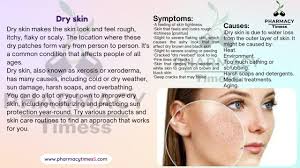
Dry skin is often temporary or seasonal — you might get it only in winter, for example — or you might need to treat it long term. Signs and symptoms of dry skin might vary based on your age, health status, skin tone, living environment and sun exposure. They include:

  • A feeling of skin tightness
  • Skin that feels and looks rough
  • Itchiness (pruritus)
  • Slight to severe flaking skin, which causes the ashy look that can affect dry brown and black skin
  • Slight to severe scaling or peeling
  • Cracked “dry riverbed” look to leg
  • Fine lines or cracks
  • Skin that ranges from reddish on white skin to grayish on brown and black skin
  • Deep cracks that may bleed

Prevention

Try these tips to help your skin retain moisture:

  • Moisturize. Moisturizer seals in water to help keep your skin’s protective barrier healthy. Use moisturizer throughout the day, especially on the hands. And before going outdoors, use a moisturizer that contains sunblock or a broad-spectrum sunscreen with an SPF of at least 30, even on cloudy days. Apply sunscreen generously and reapply every two hours — or more often if you’re swimming or sweating.
  • Limit water exposure. Keep bath and shower time to 10 minutes or less. Use warm, not hot, water. Rinse and pat dry. Try to bathe no more than once a day.
  • Use a gentle cleanser or allergen-free soap. Try a non soap cleansing cream or shower gel. Or use fragrance-free moisturizing soap with no alcohol or allergy-causing substances (hypoallergenic soap), especially if you handwash often. Rinse thoroughly and pat dry. Apply a moisturizing cream while your skin is still damp.
  • Shave with care. Shaving can be drying. If you shave, use a lubricating agent before you start. Shave in the direction of hair growth, unless that irritates your skin. Use a sharp blade and rinse it with warm water after each stroke. When done, apply moisturizer.
  • Cover as much skin as possible in cold or windy weather. Harsh weather can be especially drying to skin. Scarves, hats, and gloves or mittens help protect your skin when you’re outdoors.
  • Wear gloves. Protect your hands with suitable gloves when gardening, using harsh cleansers and doing other skin-drying activities.
  • Rinse and moisturize after swimming. This is especially important if you’ve been swimming in a heavily chlorinated pool.
  • Drink when you’re thirsty. Drink noncaffeinated beverages each day to help keep all your body’s tissues, including your skin, well hydrated.
  • Bathe babies with care. For babies, using a cleanser every 1-2 weeks for bathing usually is enough. Otherwise, bathe them in just water. However, clean their diaper area with each diaper change. Apply a thin layer of petroleum jelly (Vaseline, Aquaphor, others) while the skin is still damp.

Description:

Dry Skin

Overview

Dry skin makes the skin look and feel rough, itchy, flaky or scaly. The location where these dry patches form vary from person to person. It’s a common condition that affects people of all ages.

Dry skin, also known as xerosis or xeroderma, has many causes, including cold or dry weather, sun damage, harsh soaps, and overbathing.

You can do a lot on your own to improve dry skin, including moisturizing and practicing sun protection year-round. Try various products and skin care routines to find an approach that works for you.

Products & Services

Symptoms

Dry skin is often temporary or seasonal — you might get it only in winter, for example — or you might need to treat it long term. Signs and symptoms of dry skin might vary based on your age, health status, skin tone, living environment and sun exposure. They include:

  • A feeling of skin tightness
  • Skin that feels and looks rough
  • Itchiness (pruritus)
  • Slight to severe flaking skin, which causes the ashy look that can affect dry brown and black skin
  • Slight to severe scaling or peeling
  • Cracked “dry riverbed” look to leg
  • Fine lines or cracks
  • Skin that ranges from reddish on white skin to grayish on brown and black skin
  • Deep cracks that may bleed

When to see a doctor

Most cases of dry skin respond well to lifestyle changes and home remedies. You may need help from your primary care doctor or a doctor who specializes in skin conditions (dermatologist) if:

  • You’ve tried self-care steps but your signs and symptoms persist
  • Your skin becomes inflamed or painful
  • You develop dry, thick skin as a side effect of cancer treatment
  • Your condition makes you so uncomfortable that you’re losing sleep or are distracted from your daily routines
  • You have open sores or infections from scratching
  • You have large areas of scaly or peeling skin


Causes

Dry skin is due to water loss from the outer layer of skin. It might be caused by:

  • Heat. Central heating, wood-burning stoves, space heaters and fireplaces all reduce humidity.
  • Environment. Living in cold, windy conditions or low-humidity climates.
  • Too much bathing or scrubbing. Taking long, hot showers or baths or scrubbing your skin too much can dry your skin. Bathing more than once a day can remove the natural oils from your skin too.
  • Harsh soaps and detergents. Many popular soaps, detergents and shampoos strip moisture from your skin because they are formulated to remove oil.
  • Other skin conditions. People with skin conditions such as atopic dermatitis (eczema) or psoriasis are more likely to have dry skin.
  • Medical treatments. Some people develop dry, thick skin after undergoing treatment for cancer, receiving dialysis or taking certain medications.
  • Aging. As people age, the skin thins and produces less of the oils needed for the skin to retain water.

Risk factors

Anyone can develop dry skin. But you’re more likely to develop the condition if you:

  • Are over 40, as the skin’s ability to retain moisture diminishes with age
  • Live in cold, windy conditions or low-humidity climates
  • Have a job that requires you to immerse your hands in water, such as nursing or hairstyling
  • Use your hands to work with cement, clay or soil
  • Swim frequently in chlorinated pools
  • Have certain diseases or conditions, such as hypothyroidism, diabetes or malnutrition

Complications

Dry skin is usually harmless. But when it’s not cared for, dry skin may lead to:

  • Atopic dermatitis (eczema). If you’re prone to develop this condition, excessive dryness can lead to activation of the disease, causing a rash and cracking skin.
  • Infections. Dry skin may crack, allowing bacteria to enter, causing infections.

These complications are most likely to occur when your skin’s protective mechanisms are severely compromised. For example, severely dry skin can cause deep cracks or fissures, which can open and bleed, providing an avenue for invading bacteria.

Prevention

Try these tips to help your skin retain moisture:

  • Moisturize. Moisturizer seals in water to help keep your skin’s protective barrier healthy. Use moisturizer throughout the day, especially on the hands. And before going outdoors, use a moisturizer that contains sunblock or a broad-spectrum sunscreen with an SPF of at least 30, even on cloudy days. Apply sunscreen generously and reapply every two hours — or more often if you’re swimming or sweating.
  • Limit water exposure. Keep bath and shower time to 10 minutes or less. Use warm, not hot, water. Rinse and pat dry. Try to bathe no more than once a day.
  • Use a gentle cleanser or allergen-free soap. Try a nonsoap cleansing cream or shower gel. Or use fragrance-free moisturizing soap with no alcohol or allergy-causing substances (hypoallergenic soap), especially if you handwash often. Rinse thoroughly and pat dry. Apply a moisturizing cream while your skin is still damp.
  • Shave with care. Shaving can be drying. If you shave, use a lubricating agent before you start. Shave in the direction of hair growth, unless that irritates your skin. Use a sharp blade and rinse it with warm water after each stroke. When done, apply moisturizer.
  • Cover as much skin as possible in cold or windy weather. Harsh weather can be especially drying to skin. Scarves, hats, and gloves or mittens help protect your skin when you’re outdoors.
  • Wear gloves. Protect your hands with suitable gloves when gardening, using harsh cleansers and doing other skin-drying activities.
  • Rinse and moisturize after swimming. This is especially important if you’ve been swimming in a heavily chlorinated pool.
  • Drink when you’re thirsty. Drink noncaffeinated beverages each day to help keep all your body’s tissues, including your skin, well hydrated.
  • Bathe babies with care. For babies, using a cleanser every 1-2 weeks for bathing usually is enough. Otherwise, bathe them in just water. However, clean their diaper area with each diaper change. Apply a thin layer of petroleum jelly (Vaseline, Aquaphor, others) while the skin is still damp.

Protocol:

Dry Skin

Mineral Infusion 3 ml in 1l water
Marula Face  and Body Oil :

Apply over the face and body daily after a bath or shower. It soothes sunburn, is anti-aging, and clears up acne, and back acne. High in both Vitamin C and E, produces collagen that helps with skin elasticity and also helps moisturize the skin.

Hair Skin and Nails herbal Capsules :

Drink capsules 20 minutes before meals. For those with a sensitive stomach, drink capsules half an hour to an hour, after a meal, for optimal absorption.

Adults: 1-2 Capsules, 2-3 times daily.

Children between 12-16 years: 1 Capsule, twice daily. (Start with one capsule and gradually increase to 2 capsules)

Not suitable for younger/small children.

Multivitamin Plus Herbal Capsule:

Drink capsules 20 minutes before meals. For those with a sensitive stomach, drink capsules half an hour to an hour, after a meal, for optimal absorption.

Adults: 2 Capsules daily.

Children over the age of 12 years: 1 Capsule daily.

Collagen Herbal Capsule:

Drink capsules 20 minutes before meals. For those with a sensitive stomach, drink capsules half an hour to an hour, after a meal, for optimal absorption.

Adults: 2-4 Capsules, three times daily.

Children between 6-12 years: 1 Capsule, daily.

Children between 12-16 years: 1 Capsule, twice, daily. (Start with one capsule and gradually increase to 2 capsules)

Body Butter: Frankincense and Myrrh, Litchi and Rose, Milk and Honey.

Apply a generous scoop of body butter directly to your skin and gently massage into skin using firm, broad strokes until fully absorbed.

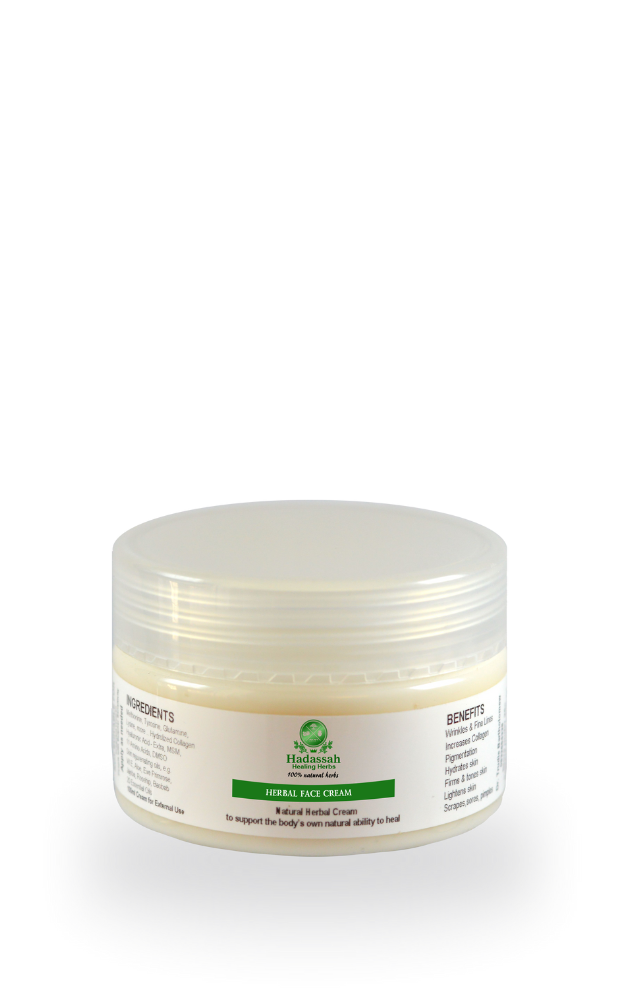
Herbal Face Cream

Always apply the face cream on damp skin. Creams are better able to lock in moisture when used on wet skin.

Be sure to moisturize your face at least once to twice daily. Also, take advantage of the 3 best times to apply moisturizer: in the morning, after showering/cleansing/swimming, and before bed. This will ensure your skin is protected, optimally moisturized, and hydrated.

Face Anti Aging Oil

Always apply the anti-aging face oil first, after washing your face, wait up to 3-5 minutes, it will eventually sink into your skin, reinforcing your moisture barrier.  Thereafter apply the Organic Anti-aging Face Cream.

Precautions & Side Effects:

Dry Skin

Causes

Dry skin is due to water loss from the outer layer of skin. It might be caused by:

  • Heat. Central heating, wood-burning stoves, space heaters and fireplaces all reduce humidity.
  • Environment. Living in cold, windy conditions or low-humidity climates.
  • Too much bathing or scrubbing. Taking long, hot showers or baths or scrubbing your skin too much can dry your skin. Bathing more than once a day can remove the natural oils from your skin too.
  • Harsh soaps and detergents. Many popular soaps, detergents and shampoos strip moisture from your skin because they are formulated to remove oil.
  • Other skin conditions. People with skin conditions such as atopic dermatitis (eczema) or psoriasis are more likely to have dry skin.
  • Medical treatments. Some people develop dry, thick skin after undergoing treatment for cancer, receiving dialysis or taking certain medications.
  • Aging. As people age, the skin thins and produces less of the oils needed for the skin to retain water.

Risk factors

Anyone can develop dry skin. But you’re more likely to develop the condition if you:

  • Are over 40, as the skin’s ability to retain moisture diminishes with age
  • Live in cold, windy conditions or low-humidity climates
  • Have a job that requires you to immerse your hands in water, such as nursing or hairstyling
  • Use your hands to work with cement, clay or soil
  • Swim frequently in chlorinated pools
  • Have certain diseases or conditions, such as hypothyroidism, diabetes or malnutrition

Complications

Dry skin is usually harmless. But when it’s not cared for, dry skin may lead to:

  • Atopic dermatitis (eczema). If you’re prone to develop this condition, excessive dryness can lead to activation of the disease, causing a rash and cracking skin.
  • Infections. Dry skin may crack, allowing bacteria to enter, causing infections.

These complications are most likely to occur when your skin’s protective mechanisms are severely compromised. For example, severely dry skin can cause deep cracks or fissures, which can open and bleed, providing an avenue for invading bacteria.


Recommended Products:

ANTI-AGING FACE OIL (20ML)
R380.00 Incl. VAT
ANTI-AGING FACE OIL (30ML)
R500.00 Incl. VAT
COLLAGEN HERBAL CAPSULES 120
R490.00 Incl. VAT
FRANKINCENSE AND MYRRH BODY BUTTER (100ML)
R200.00 Incl. VAT
HAIR SKIN AND NAILS 120 CAPSULES
R440.00 Incl. VAT
HERBAL FACE CREAM 100ML
R420.00 Incl. VAT
HERBAL FACE CREAM 250ML
R995.00 Incl. VAT
MARULA AFRICAN FACE AND BODY OIL (100 ML)
R420.00 Incl. VAT
MARULA AFRICAN FACE AND BODY OIL (50 ML)
R250.00 Incl. VAT
MINERAL INFUSION 200ML
R600.00 Incl. VAT
MULTIVITAMIN PLUS HERBAL CAPSULE 120
R490.00 Incl. VAT

Complimentory Products:

December Deals Are Here!

Visit our Shop page and click on the December Sale filter to view over 400 products on special

For Distributors: Combine your wholesale discount with our December special for even bigger savings!