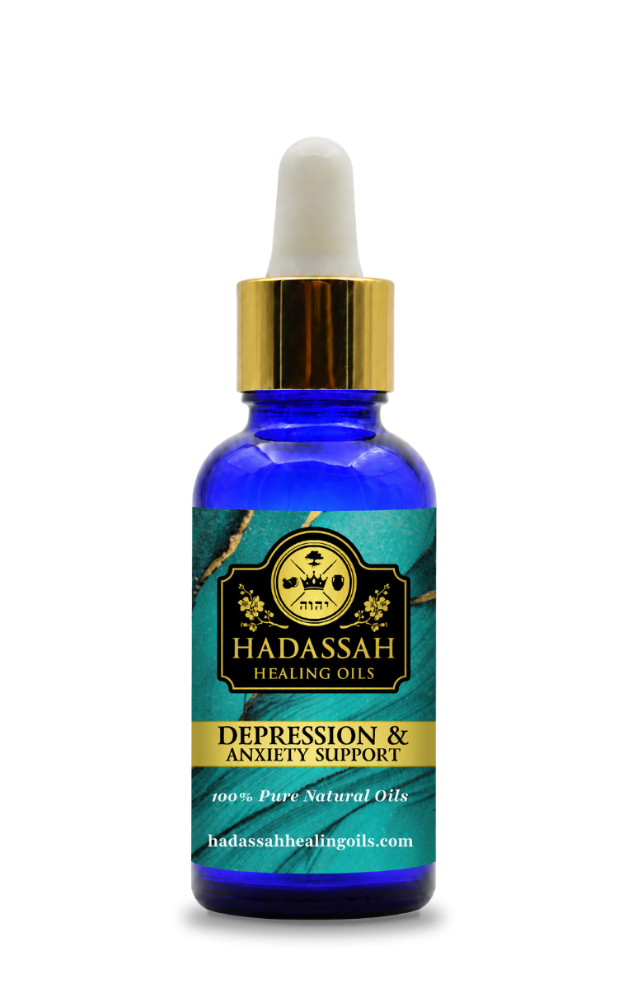
SHINGLES BLEND 30ML

R450.00 Incl. VAT
SHINGLES BLEND 30ML
Developed to support skin comfort and gentle care during the recovery period associated with shingles.
In stock
- 100% Natural
- 100% Pure Essential Oils
- 100% Manufacturing Guarantee
- Share to social media
Description
Directions for Use
Warning
Ingredients
Technical Information
SHINGLES BLEND 30ML
Hadassah Healing Oils Shingles Blend is a specialised topical botanical formulation developed to support skin comfort and gentle care during the recovery period associated with shingles.
These botanicals contain naturally occurring compounds that have attracted scientific interest for their effects on skin condition, inflammation-related pathways, sensory responses and the skin’s protective barrier.
Shingles can produce significant skin sensitivity, burning sensations, itching and nerve-related pain. Even after the visible rash improves, some people continue to experience discomfort in the affected area.
This formulation brings together aromatic botanicals traditionally associated with skin care and relaxation, supported by Olive Oil as a nourishing massage and conditioning base.
The blend is intended for external application to intact skin, particularly during the recovery period when the rash has healed and the skin remains sensitive or uncomfortable.
SHINGLES BLEND 30ML
External topical use only.
DO NOT INGEST.
Do not apply this blend to active shingles blisters, open lesions or broken skin.
Do not massage forcefully over areas affected by nerve sensitivity.
Apply this blend over the affected area of the skin.
Use in conjunction with Natural Antibiotic Blend, drink 1 capsule daily, after a meal.
Also, note from the Herbal Range
Skin Healing Cream 100ml 250ml – Herbal cream for skin problems to enhance the skin’s ability to heal, and relieve acne, eczema, itching, psoriasis, shingles, pimples and more. Contains various oils, like grapeseed, aloe, hemp, baobab, and 20 essential oils.
IMPORTANT TO KNOW
All our blends come in a 30ml glass bottle, with a glass pipette and a rubber bulb on top. Don’t forget to buy empty veggie capsules when purchasing an ingestible blend. (Our veggie capsules are now available in 90’s and 150’s).
Never pre-fill capsules for future use, as this will compromise the veggie capsule and melt. Instead, always fill the capsules just before drinking them. (But if there is no other option, only prepare up to 3 days’ supply. You MUST then keep them upright in the refrigerator in a marked container; to know which blend it is filled with.)
Method – open the veggie capsule, then open your blend, squeeze, and release the rubber bulb to draw the oil blend up into the glass pipette dropper. Gently squeeze the rubber bulb to fill the larger part of the open capsule. Close the capsule before drinking it. Dosage is always a full capsule of a specific blend (between 15 to 18 drops) unless otherwise indicated.
If you need to take more than one oil blend per day, spread them throughout the day to assist the body with proper absorption. Never drink more than two capsules of different blends at a time.
It is always good to have a very small snack/fruit before drinking capsules.
Refer to the demonstration link below (Oil in Capsules)
SHINGLES BLEND 30ML
IMPORTANT PRECAUTIONS
- For external use only.
- Do not ingest.
- Avoid eyes, mucous membranes, inner ears, and sensitive areas, if contact occurs, rinse well with water.
- Do not apply to active blisters or broken skin.
- Discontinue use if burning, stinging, redness or irritation occurs.
- Avoid use if allergic to any ingredient.
- Seek professional guidance before use during pregnancy or breastfeeding.
- Keep out of reach of children.
- Store away from heat and direct sunlight.
- It’s best to do a patch test before using it on a larger area of the skin. Discontinue use if redness, irritation, or other discomfort occurs.
- Avoid during the first trimester of pregnancy.
Shingles affecting the face, forehead, nose or eye requires urgent medical assessment because it can threaten vision.
We suggest using this product with our full Shingels Protocol
Not suitable for use in a diffuser, only undiluted pure essential oils may be used in a diffuser.
SHINGLES BLEND 30ML
Tea Tree
Frankincense
Rose Geranium
Myrrh
Lavender
Bergamot
Chamomile
Cedarwood
Olive Oil
SHINGLES BLEND 30ML
Hadassah Healing Oils Shingles Blend is a specialised topical botanical formulation developed to support skin comfort and gentle care during the recovery period associated with shingles.
The blend combines nine carefully selected ingredients: Tea Tree, Frankincense, Rose Geranium, Myrrh, Lavender, Bergamot, Chamomile, Cedarwood and Olive Oil.
These botanicals contain naturally occurring compounds that have attracted scientific interest for their effects on skin condition, inflammation-related pathways, sensory responses and the skin’s protective barrier.
Shingles can produce significant skin sensitivity, burning sensations, itching and nerve-related pain. Even after the visible rash improves, some people continue to experience discomfort in the affected area.
This formulation brings together aromatic botanicals traditionally associated with skin care and relaxation, supported by Olive Oil as a nourishing massage and conditioning base.
The blend is intended for external application to intact skin, particularly during the recovery period when the rash has healed and the skin remains sensitive or uncomfortable.
UNDERSTANDING SHINGLES
WHAT IS SHINGLES?
Shingles, medically known as herpes zoster, is a viral condition caused by the reactivation of the varicella-zoster virus.
This is the same virus responsible for chickenpox.
After a person recovers from chickenpox, the virus can remain dormant within sensory nerve ganglia for many years.
Under certain circumstances, it may reactivate and travel along a sensory nerve towards the skin.
This produces the characteristic painful rash associated with shingles.
WHY DOES THE VIRUS REACTIVATE?
The immune system normally helps keep the varicella-zoster virus dormant.
Reactivation becomes more likely when the body’s ability to control the virus decreases.
Important risk factors include:
- Increasing age
- A weakened immune system
- Certain cancers or immune disorders
- Medicines that suppress immune function
- Previous exposure to the chickenpox virus
Stress and illness may coincide with shingles episodes, but they should not be assumed to be the sole underlying cause.
WHAT HAPPENS DURING A SHINGLES OUTBREAK?
The virus reactivates within sensory nerve tissue, producing inflammation and irritation along the affected nerve pathway.
As the virus travels towards the skin, a painful rash may develop.
The rash typically occurs on one side of the body, following the distribution of a sensory nerve.
COMMON SYMPTOMS
Shingles may cause:
- Burning or tingling sensations
- Localised skin sensitivity
- Sharp or shooting pain
- Itching
- Redness
- Clusters of fluid-filled blisters
- Pain when clothing touches the skin
- Persistent sensitivity after the rash has healed
Some people experience pain before the visible rash appears.
WHY SHINGLES CAN BE SO PAINFUL
Shingles is more than a surface-level skin condition.
The virus affects sensory nerves, which explains why the pain can be unusually intense.
1. INFLAMMATION OF SENSORY NERVES
Viral reactivation can cause inflammation within the affected nerve.
Inflammatory mediators may increase the sensitivity of pain-signalling pathways.
2. ALTERED NERVE SIGNALLING
Affected sensory nerves may transmit abnormal signals.
This can produce burning, tingling, electric-shock-like sensations or discomfort from ordinary touch.
3. SKIN INFLAMMATION
The skin rash involves local inflammation and blister formation.
The affected skin may become highly sensitive to pressure, friction and temperature changes.
4. POSTHERPETIC NEURALGIA
Some people develop persistent nerve pain after the shingles rash has healed.
This condition is called postherpetic neuralgia.
It occurs when the affected nervous system continues to generate or amplify pain signals.
Symptoms may include burning pain, stabbing sensations and sensitivity to light touch.
Postherpetic neuralgia can last for months or longer and may require specific medical treatment.
BOTANICAL BENEFITS AND APPLICATIONS
1. COMFORT FOR SENSITIVE SKIN
The blend contains ingredients traditionally used in skin-care preparations, including Lavender, Chamomile, Frankincense and Olive Oil.
These botanicals are relevant to gentle skin conditioning and comfort-oriented body care.
2. SKIN CONDITIONING DURING RECOVERY
Olive Oil provides emollient fatty acids that help soften dry skin.
The formulation may be considered for intact skin after the active blistering stage has resolved, provided the finished product is appropriately diluted and well tolerated.
3. RELAXATION DURING RECOVERY
Lavender, Chamomile and Frankincense contribute aromatic compounds commonly associated with relaxation-oriented preparations.
This may complement a restful recovery routine.
4. BOTANICAL INFLAMMATION RESEARCH
Several ingredients contain compounds investigated for antioxidant and inflammation-related effects in laboratory studies.
These findings help explain their interest in botanical skin-care research.
5. NERVE-RELATED RESEARCH
Certain constituents, particularly linalool and beta-caryophyllene, have been investigated for effects on sensory or inflammatory pathways in experimental models.
These findings do not establish that topical application of the finished blend treats shingles nerve damage or postherpetic neuralgia.
THE INGREDIENTS AND THEIR MEDICINAL PROPERTIES
1. TEA TREE — Melaleuca alternifolia
Primary botanical focus: Skin-care chemistry and antimicrobial research
Important constituents
- Terpinen-4-ol
- Gamma-terpinene
- Alpha-terpinene
- Alpha-terpineol
How Tea Tree works
Tea Tree essential oil has been extensively investigated for antimicrobial properties.
Terpinen-4-ol is one of its principal biologically active compounds.
Laboratory studies have examined its interactions with microbial membranes and inflammation-related cellular pathways.
Relevance to shingles
Tea Tree contributes compounds of interest in skin-care research.
2. FRANKINCENSE — Boswellia species
Primary botanical focus: Aromatic skin care and inflammation-related research
Important constituents
Depending on the species:
- Alpha-pinene
- Limonene
- Sabinene
- Other monoterpenes and sesquiterpenes
How Frankincense works
Frankincense-derived compounds have been investigated for antioxidant and inflammation-related biological activity.
Relevance to shingles
Frankincense contributes a warm resinous aroma and botanical constituents relevant to experimental skin and inflammation research.
3. ROSE GERANIUM — Pelargonium graveolens
Primary botanical focus: Skin conditioning and floral aromatic care
Important constituents
- Citronellol
- Geraniol
- Linalool
How Rose Geranium works
Geraniol and citronellol have been investigated for antioxidant, antimicrobial and inflammation-related effects.
Rose Geranium is widely used in cosmetic and aromatic preparations.
Relevance to shingles
Rose Geranium contributes a floral aromatic character and complements the blend’s skin-care profile.
Because geraniol and citronellol can cause allergic skin reactions, their concentrations are particularly important for sensitive skin.
4. MYRRH — Commiphora myrrha
Primary botanical focus: Resin-derived compounds and skin-care research
Important constituents
- Curzerene
- Furanoeudesma-1,3-diene
- Other sesquiterpenes
How Myrrh works
Myrrh-derived compounds have been investigated for antimicrobial, antioxidant and inflammation-related effects.
Relevance to shingles
Myrrh contributes a distinctive resinous aromatic profile and complements the other botanicals in the formulation.
5. LAVENDER — Lavandula angustifolia
Primary botanical focus: Relaxation and skin-comfort research
Important constituents
- Linalool
- Linalyl acetate
How Lavender works
Linalool has been investigated for its effects on sensory and nervous-system pathways.
Lavender aromatherapy has also been studied in relation to relaxation and subjective comfort.
Relevance to shingles
Lavender contributes a calming floral aroma that may complement rest and relaxation during recovery.
6. BERGAMOT — Citrus bergamia
Primary botanical focus: Aromatic relaxation and botanical skin-care chemistry
Important constituents
- Limonene
- Linalyl acetate
- Linalool
Cold-pressed Bergamot oil may also contain phototoxic furanocoumarins, including bergapten.
How Bergamot works
Bergamot essential oil has been investigated in aromatherapy research involving mood and stress-related outcomes.
Some constituents have also demonstrated biological activity in laboratory studies.
Relevance to shingles
Bergamot contributes a fresh citrus fragrance that complements the floral and resinous ingredients.
7. CHAMOMILE — Matricaria chamomilla or Chamaemelum nobile
Primary botanical focus: Gentle aromatic skin care
The precise chemical composition depends on whether German or Roman Chamomile is used.
German Chamomile constituents may include
- Alpha-bisabolol
- Bisabolol oxides
- Chamazulene
Roman Chamomile constituents may include
- Isobutyl angelate
- Other angelate esters
How Chamomile works
Chamomile preparations have been investigated for inflammation-related and skin-care properties.
Different species and extracts have different chemical profiles.
Relevance to shingles
Chamomile contributes botanical compounds traditionally associated with gentle skin care and comfort.
8. CEDARWOOD — Cedrus atlantica or another specified species
Primary botanical focus: Woody aromatic compounds and skin-care research
Important constituents of Cedarwood Atlas
- Alpha-himachalene
- Beta-himachalene
- Gamma-himachalene
- Atlantones
How Cedarwood works
Cedarwood essential oil contains sesquiterpenes and related compounds that have been investigated for antimicrobial and inflammation-related biological activity.
Relevance to shingles
Cedarwood contributes a warm woody aroma and adds to the formulation’s botanical complexity.
9. OLIVE OIL — Olea europaea
Primary botanical focus: Skin conditioning and massage
Important constituents
- Oleic acid
- Linoleic acid
- Palmitic acid
How Olive Oil works
Olive Oil acts as an emollient, helping soften the skin and reduce friction during application.
It also provides a carrier for the essential oils.
Relevance to shingles
Olive Oil supports the skin-conditioning properties of the formula.
It should not be applied over active shingles blisters as part of this essential-oil mixture.
HOW THE INGREDIENTS COMPLEMENT ONE ANOTHER
The formulation combines several botanical characteristics.
SKIN-CARE BOTANICALS
Tea Tree, Rose Geranium, Lavender, Chamomile and Cedarwood contribute compounds traditionally used in cosmetic and aromatic skin-care preparations.
RESIN-DERIVED COMPOUNDS
Frankincense and Myrrh contribute complex aromatic terpenes associated with botanical research.
AROMATIC RELAXATION
Lavender, Bergamot and Chamomile provide floral and citrus aromas that may contribute to a calming sensory environment.
SKIN CONDITIONING
Olive Oil provides the emollient base and helps distribute the aromatic ingredients.
Together, these ingredients create a botanical preparation focused on skin comfort and relaxation during recovery.
SHINGLES RECOVERY AND SKIN CARE
DURING AN ACTIVE OUTBREAK
Shingles should be medically assessed promptly.
Prescription antiviral medicines such as aciclovir, valaciclovir or famciclovir can reduce viral replication and are most effective when started early, ideally within 72 hours of rash onset.
During the blistering stage, the skin should be kept clean and protected from irritation.
Avoid applying this essential-oil blend to active blisters, open lesions or broken skin.
AFTER THE BLISTERS HAVE HEALED
Once the skin is intact, some people continue to experience dryness, sensitivity or discomfort.
Gentle, fragrance-free skin care is generally the preferred first option for highly sensitive skin.
An aromatic botanical preparation may not be suitable for everyone, especially where nerve-related touch sensitivity persists.
POSTHERPETIC NEURALGIA
Persistent nerve pain after shingles may require specific treatment.
Medical options can include certain neuropathic-pain medicines and appropriately selected topical treatments.
Essential oils have not been demonstrated to reverse the nerve injury responsible for postherpetic neuralgia.
HOW TO USE
External topical use only.
Do not apply this blend to active shingles blisters, open lesions or broken skin.
Do not massage forcefully over areas affected by nerve sensitivity.
IMPORTANT PRECAUTIONS
- For external use only.
- Do not ingest.
- Avoid eyes and mucous membranes.
- Do not apply to active blisters or broken skin.
- Discontinue use if burning, stinging, redness or irritation occurs.
- Avoid use if allergic to any ingredient.
- Seek professional guidance before use during pregnancy or breastfeeding.
- Keep out of reach of children.
- Store away from heat and direct sunlight.
Shingles affecting the face, forehead, nose or eye requires urgent medical assessment because it can threaten vision.
We suggest using this product with our full Shingels Protocol