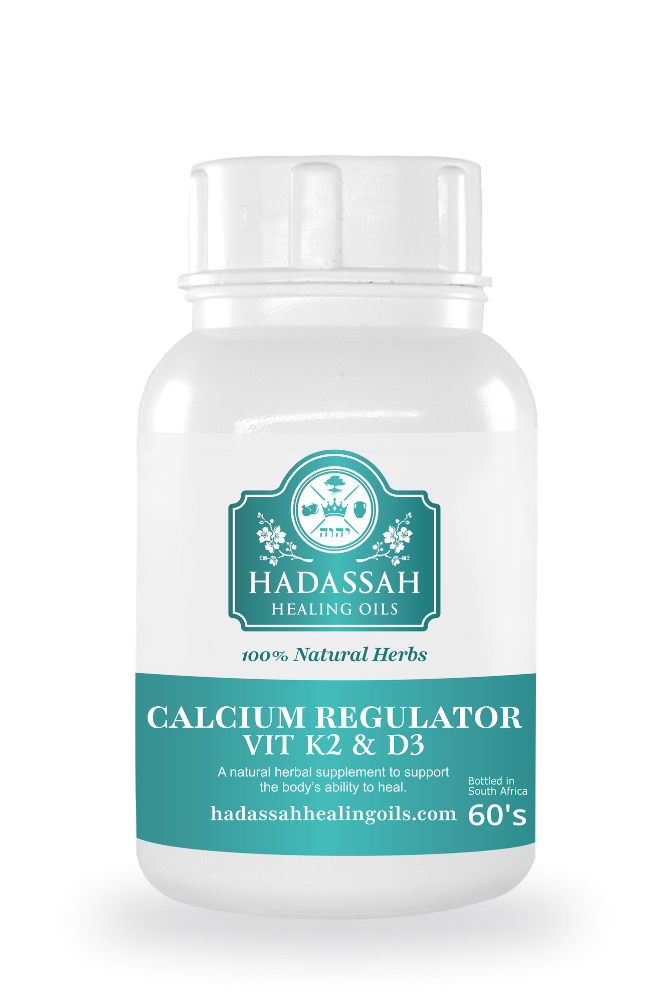
CALCIUM REGULATOR CAPSULES 60’S
R310.00 Incl. VAT
CALCIUM REGULATOR CAPSULES 60’S
Our Vitamin K2–D3 Calcium Regulator supports the body’s natural ability to manage calcium effectively. Rather than adding calcium, it helps guide calcium toward bones while supporting arterial flexibility, soft-tissue balance, and healthy mineral metabolism for long-term wellbeing.
In stock
- 100% Natural
- 100% Pure Essential Oils
- 100% Manufacturing Guarantee
- Share to social media
Description
Directions for Use
Warning
Ingredients
Technical Information
CALCIUM REGULATOR CAPSULES 60’S
Our Vitamin K2–D3 Calcium Regulator supports the body’s natural ability to manage calcium effectively. Rather than adding calcium, it helps guide calcium toward bones while supporting arterial flexibility, soft-tissue balance, and healthy mineral metabolism for long-term wellbeing.
Vitamin K2(MK-7): 120mcg
Vit D3 : 13mcg (520 IU)
Vitamin D3 is provided at a supportive level to assist calcium signalling, while vitamin K2 and mineral cofactors guide proper calcium placement rather than high-dose supplementation.
Why Vitamin K2 + D3 Matter Together
Vitamin D3 supports calcium absorption and signalling in the body, while vitamin K2 helps guide calcium toward bones and away from soft tissues. Used together, they support balanced calcium utilisation and long-term mineral regulation without added calcium.
CALCIUM REGULATOR CAPSULES 60’S
1 x capsules daily with a meal containing fat.
CALCIUM REGULATOR CAPSULES 60’S
Not suitable for pregnant or breastfeeding women.
Do not exceed daily dosage of maximum 1 capsule.
Not suitable for children under the age of 16.
If you are pregnant or breastfeeding; or taking any medication (such as warfarin), please consult medical or health professional for advice before taking this medicine.
Protect from sunlight.
Store below 25°c.
CALCIUM REGULATOR CAPSULES 60’S
Alfalfa
Boron
Copper
Fulvic Acid
Horsetail
L-Arginine
L-Citrulline
L-Proline
Magnesium
Manganese
MSM
Red clover
Taurine
Vit A, B3,B6,B12,C,D3,E,K2
Zinc
Other African herbs
Alfalfa: Provides natural phytonutrients supporting mineral utilisation, connective-tissue nourishment, and gentle alkalising support for long-term structural balance.
Boron: Supports calcium and magnesium regulation, bone metabolism, hormonal balance, and efficient mineral trafficking within bones and connective tissues.
Copper: Essential trace mineral supporting collagen cross-linking, vascular integrity, antioxidant enzyme activity, and balanced interaction with zinc metabolism.
Fulvic Acid: Enhances mineral transport and cellular uptake, supporting nutrient bioavailability, detoxification pathways, and overall metabolic efficiency.
Horsetail: Natural source of silica supporting collagen formation, connective-tissue strength, bone matrix integrity, and tissue elasticity.
L-Arginine: Amino acid supporting nitric oxide production, healthy blood flow, vascular relaxation, and nutrient delivery to tissues.
L-Citrulline: Supports sustained nitric oxide availability, circulation, endothelial health, and efficient blood vessel function.
L-Proline: Key amino acid for collagen synthesis, supporting bone matrix structure, connective-tissue repair, and tissue resilience.
Magnesium: Essential mineral supporting calcium balance, muscle and vascular relaxation, enzymatic activity, and prevention of unwanted calcium deposition.
Manganese: Supports bone formation, collagen production, antioxidant defence systems, and healthy cartilage and connective-tissue metabolism.
MSM: Organic sulphur compound supporting joint comfort, connective-tissue flexibility, collagen integrity, and anti-inflammatory balance.
Red Clover: Provides plant compounds supporting circulation, connective-tissue health, and gentle vascular and hormonal balance.
Taurine: Amino acid supporting cardiovascular function, cellular calcium regulation, nerve stability, and healthy blood pressure balance.
Vitamin A: Supports healthy tissue maintenance, immune balance, and cellular integrity, contributing to normal bone structure and vascular lining support.
Vitamin B3 (Niacin): Supports energy metabolism, circulation, and cellular repair, helping maintain healthy blood flow and metabolic balance.
Vitamin B6: Supports amino acid metabolism, collagen formation, and homocysteine regulation, contributing to vascular health and connective-tissue integrity.
Vitamin B12: Essential for red blood cell formation, nerve function, and cellular energy production, supporting overall metabolic and cardiovascular balance.
Vitamin C: Supports collagen synthesis, antioxidant protection, and connective-tissue strength, helping maintain healthy blood vessels and bone matrix.
Vitamin D3: Supports calcium signalling and mineral absorption, working with vitamin K2 to maintain balanced calcium metabolism.
Vitamin E: Provides antioxidant protection for cells and blood vessels, supporting tissue integrity and protection against oxidative stress.
Vitamin K2: Plays a central role in calcium regulation by activating proteins that guide calcium into bone tissue and away from arteries and soft tissues. Vitamin K2 supports bone strength, arterial flexibility, and long-term mineral balance, helping reduce the risk of unwanted calcium accumulation when used alongside vitamin D3.
Zinc: Essential mineral supporting tissue repair, immune balance, collagen synthesis, and proper regulation of calcium-related enzymes.
CALCIUM REGULATOR CAPSULES 60’S
The function of Vit k1, K2 and D3
Vitamin K1 (Phylloquinone):
- Primary Role:Primarily involved in blood clotting. Coagulation: Essential for synthesizing clotting factors in the liver, specifically Factors II (prothrombin), VII, IX, and X. Liver Function: Concentrated in the liver, where it contributes to the production of proteins involved in blood clotting.
Vitamin K2 (Menaquinone):
- Extrahepatic Functions:Beyond the liver, Vitamin K2 has extrahepatic functions. Calcium Regulation: Plays a crucial role in regulating calcium metabolism. Bone Health: Works synergistically with Vitamin D3 to ensure calcium is directed to the bones and teeth, preventing excessive accumulation in soft tissues. Cardiovascular Health: Prevents inappropriate calcification of arteries, contributing to cardiovascular health.
Vitamin D3 (Cholecalciferol):
- Calcium Absorption:Essential for the absorption of calcium in the intestines. Bone Health: Facilitates the incorporation of calcium into bone matrix, promoting bone strength and density. Calcium Homeostasis: Collaborates with Vitamin K2 to regulate calcium metabolism, ensuring a balance between bone mineralization and preventing excess calcium in non-skeletal tissues. Immunomodulation: Modulates immune responses and is implicated in various physiological systems.
In summary, while Vitamin K1 focuses primarily on blood clotting, Vitamin K2 and D3 have broader roles, with K2 regulating calcium distribution and preventing arterial calcification, and D3 facilitating calcium absorption, bone health, and collaborating with K2 for overall calcium homeostasis.
Working and interaction of Vit D3 and K2 for removing calcium from the tissues to the bones:
The interaction between Vitamin D3 (cholecalciferol) and Vitamin K2 (menaquinone) in the body is crucial for maintaining optimal calcium balance and supporting various physiological functions. Here’s a detailed explanation of their working and interaction:
Calcium Absorption and Utilization:
- Vitamin D3 (D3):Plays a central role in calcium absorption in the intestines. It helps the body absorb dietary calcium, ensuring an adequate supply for various physiological processes.
- Vitamin K2 (K2):Regulates calcium metabolism, directing calcium to the bones and teeth while preventing excessive accumulation in soft tissues.
Bone Health:
- Vitamin D3 (D3):Facilitates the incorporation of calcium into the bone matrix, promoting bone mineralization, strength, and density.
- Vitamin K2 (K2):Works synergistically with D3, ensuring that the directed calcium is utilized for bone health. This collaboration is essential for maintaining strong and healthy bones.
Cardiovascular Health:
- Vitamin D3 (D3):Modulates cardiovascular health, impacting blood vessel function and overall heart health.
- Vitamin K2 (K2):Prevents inappropriate calcification of arteries, guiding calcium away from blood vessels and soft tissues. This action contributes to cardiovascular health by maintaining the flexibility and integrity of blood vessels.
Calcium Homeostasis:
- Vitamin D3 (D3):Collaborates with K2 to regulate overall calcium metabolism. This partnership ensures a balanced distribution of calcium, preventing its accumulation where it shouldn’t be, such as in blood vessels or organs.
- Vitamin K2 (K2):Works alongside D3 to optimize the utilization of calcium, preventing potential issues associated with calcium imbalance.
Synergistic Action:
- Vitamin D3 (D3) and K2 (K2):The synergistic action of D3 and K2 ensures that calcium is not only absorbed efficiently but also directed to where it’s needed most – the bones and teeth. This collaboration maximizes the benefits of both vitamins in maintaining proper calcium balance throughout the body.
In summary, Vitamin D3 and K2 complement each other’s functions, ensuring effective calcium absorption, utilization for bone health, and preventing undesirable calcification in soft tissues. Their collaboration is vital for overall skeletal integrity and cardiovascular well-being.
How and why calcium gets trapped in the tissues instead of the bones:
The improper deposition of calcium in soft tissues, rather than being directed to bones, can be attributed to several factors. Understanding the mechanisms involved provides insight into why calcium may get trapped in tissues:
Lack of Vitamin K2 Activation:
- Role of Vitamin K2:Vitamin K2, particularly in its MK-7 form, is essential for activating proteins like osteocalcin. Osteocalcin binds calcium to the bone matrix, contributing to bone health.
- Without Adequate K2:In the absence of sufficient Vitamin K2, osteocalcin remains inactive. This could result in calcium not being effectively directed to the bones and instead circulating in the bloodstream, increasing the likelihood of deposition in soft tissues.
Insufficient Vitamin D3 Activation:
- Calcium Absorption:Vitamin D3 is crucial for the absorption of calcium from the intestines into the bloodstream.
- Activation of D3:If Vitamin D3 is not adequately activated, either due to insufficient sunlight exposure or other factors, calcium absorption and transportation may be compromised, leading to improper calcium distribution.
Calcium Imbalance:
- Excessive Calcium Intake:Consuming excessive amounts of dietary calcium without the necessary cofactors for proper absorption and utilization can contribute to calcium imbalance.
- Metabolic Disorders:Certain metabolic disorders may disrupt the normal processes of calcium regulation and utilization in the body.
Inflammation and Tissue Damage:
- Inflammatory Conditions:Inflammation in tissues can disrupt the normal mechanisms of calcium regulation.
- Tissue Damage:Injuries or damage to tissues can create sites where calcium may accumulate as part of the repair process, especially if the regulatory mechanisms are compromised.
Aging and Hormonal Changes:
- Hormonal Influences:Changes in hormonal levels, particularly during aging or menopause, can impact calcium metabolism and its proper distribution.
- Bone Density Changes:As bone density decreases with age, there might be a shift in the dynamics of calcium distribution within the body.
Genetic Predisposition:
- Genetic Factors:Some individuals may have genetic predispositions that affect the regulation of calcium metabolism, potentially leading to variations in calcium deposition.
Understanding these factors helps emphasize the importance of maintaining a balance in key vitamins, particularly Vitamin D3 and K2, as well as adopting a lifestyle that supports overall bone health and calcium homeostasis.
Recommended daily dosage for Vit D3 and K2:
The recommended daily dosage for Vitamin D3 (Cholecalciferol) and Vitamin K2 can vary based on factors such as age, sex, health conditions, and individual needs. Here are general guidelines:
Vitamin D3 (Cholecalciferol): The recommended daily intake of Vitamin D can vary. In general, the Recommended Dietary Allowance (RDA) for adults is around 600 international units (IU) or 15 micrograms (mcg) per day. However, individual needs can differ based on factors like age, sun exposure, and health conditions. Some experts suggest higher levels, especially for individuals with limited sun exposure. A common supplemental dose might range from 1,000 to 4,000 IU per day, but it’s crucial to consult with a healthcare professional for personalized advice.
Vitamin K2: The Recommended Dietary Allowance for Vitamin K has not been established as extensively as for other vitamins. However, for Vitamin K2, commonly measured as menaquinone-7 (MK-7), typical supplemental doses can range from 50 to 200 micrograms (mcg) per day. It’s important to note that some individuals may obtain sufficient Vitamin K2 from dietary sources.
Symptoms of Vitamin K1 & K2 deficiencies:
- Easy Bruising:Both Vitamin K1 and K2 play crucial roles in blood clotting. Easy bruising can be indicative of deficiencies in either form of Vitamin K.
- Excessive Bleeding:Deficiencies in Vitamin K1 and K2 may result in prolonged or excessive bleeding from minor cuts or injuries.
- Blood Clotting Issues:Vitamin K1 is primarily involved in blood clotting in the liver, while Vitamin K2 is crucial for directing calcium to the bones and teeth, preventing its accumulation in soft tissues.
- Gastrointestinal Bleeding:Insufficient Vitamin K1 and K2 may contribute to bleeding in the gastrointestinal tract, manifested as dark or tarry stools.
- Haemorrhage:Severe deficiencies in both forms of Vitamin K can lead to haemorrhage, characterized by uncontrolled bleeding in various parts of the body.
- Bone Health Issues:While Vitamin K1 is more associated with blood clotting, Vitamin K2’s role in directing calcium makes it essential for bone health, potentially impacting conditions like osteoporosis.
Symptoms of Vitamin D deficiency:
- Bone Pain and Weakness:Vitamin D is crucial for calcium absorption, and its deficiency can lead to bone pain, muscle weakness, and an increased risk of fractures.
- Fatigue:Low levels of Vitamin D are associated with fatigue and general tiredness.
- Impaired Wound Healing:Vitamin D is involved in the immune response and the healing of wounds. Deficiency may impair these processes.
- Depression and Mood Changes:Some studies suggest a link between Vitamin D deficiency and mood disorders, including depression.
- Muscle Pain:Inadequate Vitamin D levels may contribute to muscle pain and aches.
- Hair Loss:Vitamin D is involved in maintaining healthy hair follicles. Deficiency may contribute to hair loss.
- Impaired Immune Function:Vitamin D plays a role in immune system regulation, and its deficiency may lead to a compromised immune response.
- Bone Deformities in Children:Severe deficiency in children can lead to rickets, causing bone deformities and growth issues.
- Osteoporosis:Prolonged Vitamin D deficiency can contribute to osteoporosis, a condition characterized by brittle and porous bones.
- Difficulty Sleeping:Some studies suggest a link between low Vitamin D levels and sleep disturbances.
What are the dangers of Vit K deficiencies?
- Impaired Blood Clotting:Vitamin K is essential for blood clotting, and its deficiency can lead to impaired coagulation, increasing the risk of excessive bleeding.
- Osteoporosis and Bone Health:Vitamin K plays a role in bone metabolism, and a deficiency may contribute to decreased bone mineral density and an increased risk of fractures.
- Cardiovascular Health:Some research suggests that Vitamin K deficiency may be associated with an increased risk of cardiovascular diseases.
- Impaired Cell Growth:Vitamin K is involved in cell growth regulation, and its deficiency may impact normal cell development.
- Dental Health:Insufficient Vitamin K levels may be linked to dental issues, as it plays a role in mineralization of teeth.
- Increased Bruising:Vitamin K deficiency can result in easy bruising and prolonged bleeding after injury.
- Gastrointestinal Issues:Vitamin K is involved in maintaining gastrointestinal health, and its deficiency may contribute to digestive problems.
- Joint Health:Some studies suggest that Vitamin K may have a role in joint health, and its deficiency could potentially contribute to joint-related issues.
- Impaired Cognitive Function:There is emerging research on the potential link between Vitamin K deficiency and cognitive decline.
- Increased Risk of Haemorrhage:Severe deficiency can lead to haemorrhage, which can be life-threatening in some cases.
What happens medicallywhen vitamin K2 & D3 cleans out the calcium deposits from the body:
- Bone Health Enhancement:Vitamin D3 (Cholecalciferol) facilitates the absorption of dietary calcium in the small intestine. This absorbed calcium is crucial for bone mineralization and density. Vitamin K2, particularly MK-7, plays a pivotal role in directing calcium to the bones and teeth, ensuring optimal mineralization and structural integrity. The cooperative action of these vitamins supports skeletal health.
- Arterial Health and Cardiovascular Support:Vitamin K2, specifically MK-7, is involved in the activation of Matrix Gla-protein (MGP), a potent inhibitor of vascular calcification. This inhibitory effect prevents the undesired deposition of calcium in arterial walls, preserving vascular elasticity and reducing the risk of atherosclerosis. The synergistic interplay with Vitamin D3 contributes to overall cardiovascular health.
- Joint and Soft Tissue Protection:Vitamin K2 regulates calcium metabolism in the soft tissues surrounding joints, preventing abnormal calcification. This protective mechanism contributes to joint flexibility and reduces the risk of conditions such as osteoarthritis.
- Kidney Function Support:The coordinated function of Vitamin K2 and D3 supports proper calcium balance in the kidneys. This helps prevent the formation of kidney stones and maintains renal health by mitigating pathological calcium deposition.
- Muscular and Nervous System Function:Adequate calcium is essential for muscle contraction and nerve transmission. Vitamin D3 ensures the availability of calcium, while Vitamin K2 regulates its proper utilization, contributing to the optimal functioning of muscles and the nervous system.
- Dermal Health:Calcium is vital for skin structure and function. Vitamin D3 promotes calcium absorption, and Vitamin K2 ensures its proper utilization, supporting healthy skin.
- Endocrine System Balance:Vitamin D3 influences the synthesis of hormones, including parathyroid hormone, impacting calcium homeostasis. Vitamin K2 regulates proteins involved in hormonal signaling, contributing to endocrine system balance.
- Immune System Modulation:Calcium serves as a signaling molecule in immune responses. The regulated distribution of calcium by Vitamin K2 and D3 contributes to immune system modulation, supporting a balanced and responsive immune function.
In essence, the combined action of Vitamin K2 and D3 is a sophisticated interplay that regulates calcium dynamics, ensuring its optimal utilization in various physiological processes throughout the body. This intricate process contributes to overall health by preventing pathological calcification and promoting the proper functioning of multiple organ systems.
Ingredients which are traditionally used for this disorder
Technical info:
Alfalfa: Alfalfa is rich in essential minerals such as calcium and magnesium, pivotal for bone health. These minerals contribute to bone density, providing structural support. Additionally, Alfalfa contains phytoestrogens that may play a role in hormonal balance, indirectly impacting bone health.
Boron (Boron Glycinate): Boron, in the form of Boron Glycinate, supports bone health by enhancing the conversion of Vitamin D into its active form. This trace mineral regulates enzymes involved in bone metabolism and has been associated with increased bone density.
Boswellia Serrata: Boswellia Serrata, known for its anti-inflammatory properties, contains boswellic acids that can modulate inflammatory pathways. In the context of bone health, these anti-inflammatory effects may be beneficial for managing conditions associated with joint inflammation, such as arthritis.
Calcium (Calcium Citrate): Calcium, an integral component of bone structure, is crucial for maintaining bone density and strength. Calcium Citrate, with high bioavailability, ensures optimal absorption for bone health. Adequate calcium levels are essential for preventing conditions like osteoporosis.
Chondroitin Sulfate: Chondroitin is a key component of cartilage, providing resilience and shock-absorbing properties to joints. In conditions like osteoarthritis, where cartilage degeneration occurs, Chondroitin supplementation may support joint function by preserving cartilage integrity.
Dandelion: Dandelion has traditionally been used for its diuretic effects, promoting kidney function. Proper kidney function is essential for maintaining calcium balance in the body. By supporting the kidneys, dandelion may indirectly contribute to bone health.
Ginger: Ginger, known for its anti-inflammatory properties, may alleviate symptoms associated with osteoarthritis. The active compounds in ginger, such as gingerol, have been studied for their ability to modulate inflammatory pathways, potentially providing relief in joint-related conditions.
Horsetail: Horsetail is rich in silica, a mineral that is crucial for collagen formation and bone mineralization. Collagen is a structural protein in bones, and adequate silica levels may support bone health by contributing to collagen synthesis.
L-Arginine: L-Arginine is an amino acid that plays a role in collagen formation, contributing to the structural integrity of bones and connective tissues. Additionally, L-Arginine is a precursor to nitric oxide, which has vasodilatory effects and may support overall vascular health.
L-Glutamine: L-Glutamine, another amino acid, contributes to collagen formation and the maintenance of bone tissue. It is involved in various metabolic processes that support overall skeletal health.
L-Glycine: L-Glycine, an amino acid, plays a crucial role in collagen formation, providing the structural framework for bones and connective tissues. Adequate glycine levels are essential for maintaining bone health.
Magnesium: Magnesium is essential for activating Vitamin D, optimizing its conversion into the active form. This process is critical for calcium absorption and bone health. Additionally, magnesium is a key component of bone mineralization.
MCT Oil Powder: Medium-Chain Triglyceride (MCT) Oil Powder enhances the absorption of fat-soluble vitamins, such as K2 and D3, supporting their effectiveness. MCTs provide a rapid source of energy and may contribute to immune function, cardiovascular health, and potential neuroprotective effects.
Methylsulfonylmethane (MSM): MSM, containing sulfur, is important for collagen and connective tissue formation. Sulfur is a vital component of amino acids essential for maintaining the structural integrity of bones and joints.
Nettle: Nettle is a source of minerals, including calcium and magnesium, essential for bone health. Additionally, nettle has been studied for its potential anti-inflammatory properties, which may be beneficial for conditions affecting joints.
Omega-3 Fatty Acids (Fish Oil): Omega-3 fatty acids, found in fish oil, support cardiovascular health and possess anti-inflammatory effects. These properties may indirectly contribute to joint and bone health.
Proline: Proline, an amino acid, plays a crucial role in collagen formation, providing the structural framework for bones and connective tissues. Adequate proline levels are essential for maintaining bone health.
Red Clover: Rich in minerals, red clover has been traditionally used to support bone health. Some studies suggest potential benefits, possibly due to its mineral content and phytoestrogenic properties.
Vitamin A (Beta-Carotene): Vitamin A complements Vitamin D by supporting its utilization in the body. It contributes to the health of various tissues, including bones.
Vitamin B12 (Methylcobalamin): Vitamin B12 supports bone health and aids in the formation of red blood cells. Adequate B12 levels are essential for overall skeletal well-being.
Vitamin B6 (Pyridoxine): Vitamin B6 supports collagen synthesis, a process crucial for bone health. Additionally, it may play a role in cardiovascular health.
Vitamin C (Ascorbic Acid): Vitamin C contributes to collagen formation, essential for bone and vascular integrity. It is an antioxidant that supports overall tissue health.
Vitamin D3 (Cholecalciferol): Biologically active Vitamin D3 plays a vital role in calcium absorption, bone health, and overall physiological balance. It is essential for maintaining skeletal health and contributes to the functioning of the nervous, muscular, and immune systems.
Vitamin E (Mixed Tocopherols): Vitamin E, with antioxidant properties, protects Vitamin D from oxidative damage. This protection ensures the integrity and functionality of Vitamin D, supporting its effectiveness in promoting bone health.
Vitamin K2 (MK-7): Vitamin K2, especially in its MK-7 form, works synergistically with Vitamin D to regulate calcium metabolism. It directs calcium to the bones and teeth, preventing excessive accumulation in soft tissues. This collaboration between Vitamins K2 and D contributes to overall bone health.
Zinc (Zinc Picolinate): Zinc supports Vitamin D receptors, facilitating a proper response to Vitamin D in the body. It contributes to the overall effectiveness of Vitamin D’s functions, including its role in calcium absorption and bone health. Adequate zinc levels are essential for maintaining skeletal integrity.
Description
Directions for Use
Warning
Technical Information
CALCIUM REGULATOR CAPSULES 60’S
Our Vitamin K2–D3 Calcium Regulator supports the body’s natural ability to manage calcium effectively. Rather than adding calcium, it helps guide calcium toward bones while supporting arterial flexibility, soft-tissue balance, and healthy mineral metabolism for long-term wellbeing.
Vitamin K2(MK-7): 120mcg
Vit D3 : 13mcg (520 IU)
Vitamin D3 is provided at a supportive level to assist calcium signalling, while vitamin K2 and mineral cofactors guide proper calcium placement rather than high-dose supplementation.
Why Vitamin K2 + D3 Matter Together
Vitamin D3 supports calcium absorption and signalling in the body, while vitamin K2 helps guide calcium toward bones and away from soft tissues. Used together, they support balanced calcium utilisation and long-term mineral regulation without added calcium.
CALCIUM REGULATOR CAPSULES 60’S
1 x capsules daily with a meal containing fat.
CALCIUM REGULATOR CAPSULES 60’S
Not suitable for pregnant or breastfeeding women.
Do not exceed daily dosage of maximum 1 capsule.
Not suitable for children under the age of 16.
If you are pregnant or breastfeeding; or taking any medication (such as warfarin), please consult medical or health professional for advice before taking this medicine.
Protect from sunlight.
Store below 25°c.
Description
Directions for Use
Ingredients
Warning
CALCIUM REGULATOR CAPSULES 60’S
Our Vitamin K2–D3 Calcium Regulator supports the body’s natural ability to manage calcium effectively. Rather than adding calcium, it helps guide calcium toward bones while supporting arterial flexibility, soft-tissue balance, and healthy mineral metabolism for long-term wellbeing.
Vitamin K2(MK-7): 120mcg
Vit D3 : 13mcg (520 IU)
Vitamin D3 is provided at a supportive level to assist calcium signalling, while vitamin K2 and mineral cofactors guide proper calcium placement rather than high-dose supplementation.
Why Vitamin K2 + D3 Matter Together
Vitamin D3 supports calcium absorption and signalling in the body, while vitamin K2 helps guide calcium toward bones and away from soft tissues. Used together, they support balanced calcium utilisation and long-term mineral regulation without added calcium.
CALCIUM REGULATOR CAPSULES 60’S
1 x capsules daily with a meal containing fat.
CALCIUM REGULATOR CAPSULES 60’S
Not suitable for pregnant or breastfeeding women.
Do not exceed daily dosage of maximum 1 capsule.
Not suitable for children under the age of 16.
If you are pregnant or breastfeeding; or taking any medication (such as warfarin), please consult medical or health professional for advice before taking this medicine.
Protect from sunlight.
Store below 25°c.