
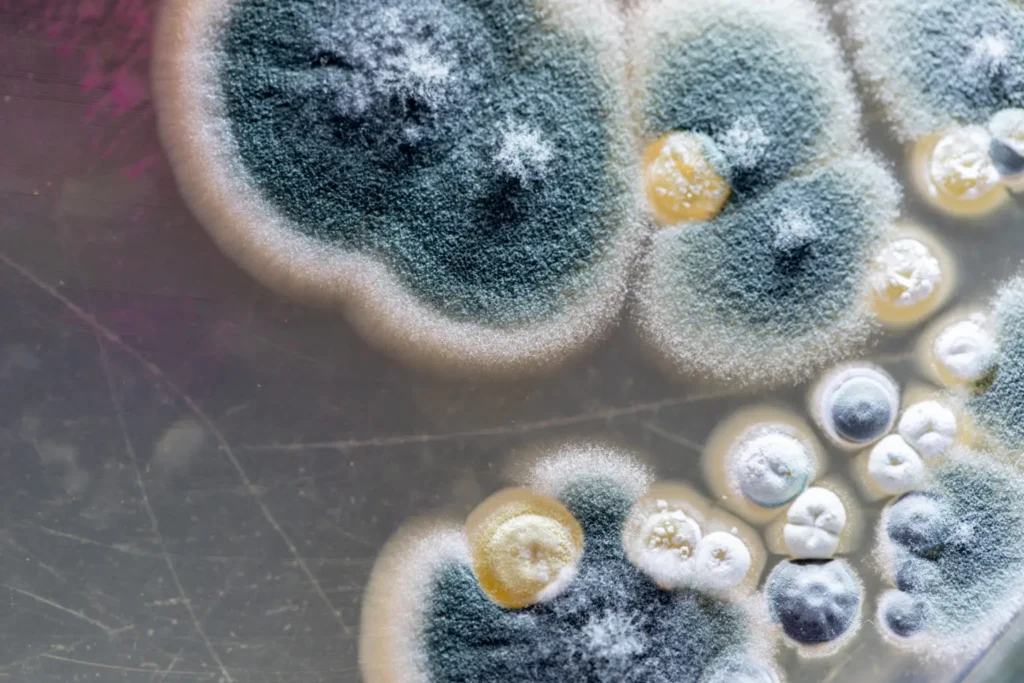
Mould is a major and often underestimated contributor to chronic diseases and illnesses in the world today. Mould is a biologically active microorganism capable of producing harmful and potent natural toxins. It is often overlooked as a superficial household problem, but it is a much deeper and toxic problem.
Moulds released are called mycotoxins. These mycotoxins are known as secondary fungal compounds that are released to suppress competing organisms and ensure survival. When mycotoxins are inhaled and ingested, they can disrupt the immune system, neurological function, hormonal balance, mitochondrial energy production, and metabolic stability.
In certain areas of functional medicine, mould-related illness is increasingly seen and recognized as a driver of chronic illness.
Mycotoxins
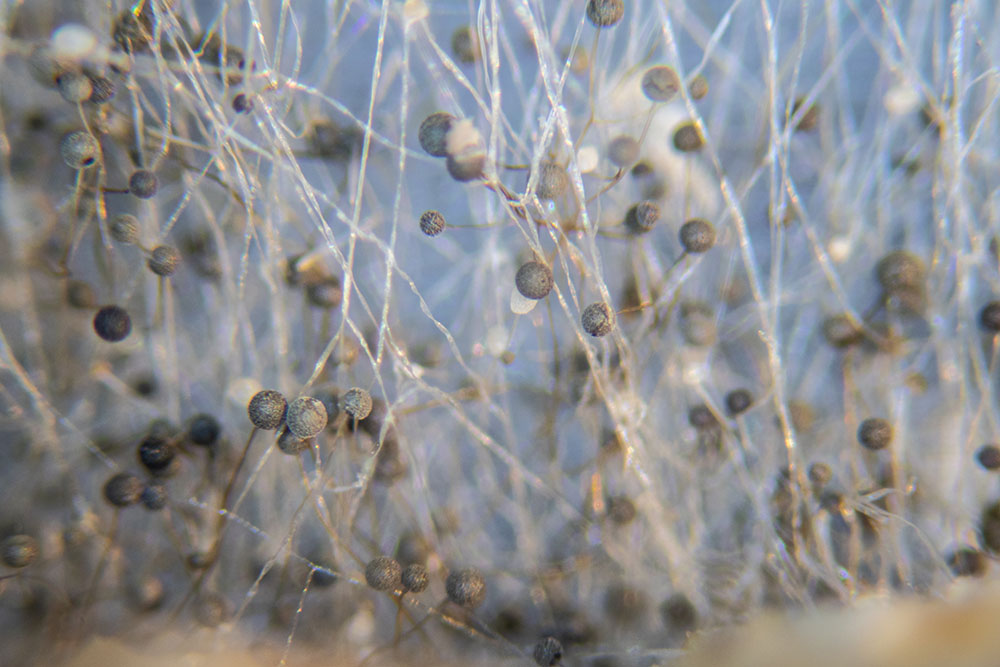
Mould is a microscopic living organism and is classified in a group as a Fungus. Fungi are distinct from other living organisms in their structure and survival mechanisms. Mould reproduces by releasing microscopic spores and can remain airborne for extended periods.
Common subdivisions of mould include:
- Aspergillus
- Penicillium
- Stachybotrys
- Fusarium
Not all moulds produce dangerous mycotoxins, but when they do produce biologically active toxins, they may pose a risk to human health.
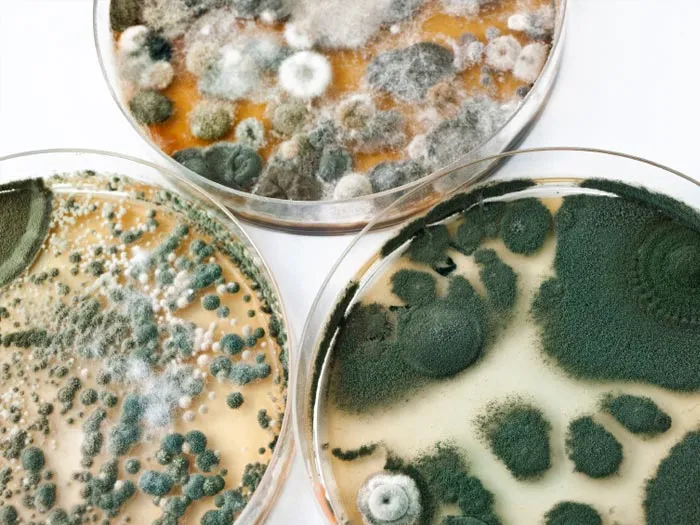
Mycotoxins
Mycotoxins are chemical toxins produced by certain moulds and fungi as a defence mechanism. They are fat-soluble, resistant to heat, chemically stable, capable of crossing cell membranes into cells, and toxic to bodily systems such as the immune and neurological systems.
Some examples of mycotoxins include:
- Aflatoxins
- Ochratoxin A
- Trichothecenes
- Gliotoxin
- Zearalenone
Exposure Pathways
Mould exposure is far more common than most people realise. It does not require visible black mould on walls. Most significant exposures occur in environments where mould is hidden, is airborne, or in food-borne sources.
Routes to enter the Body
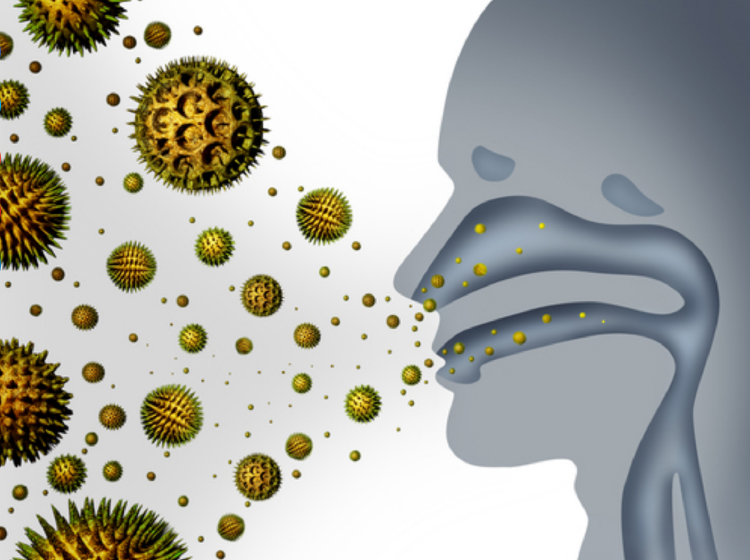
Mycotoxins can enter the body through three primary routes:
- Inhalation
Most common indoor exposure occurs in damp environments inside homes, cars, ventilation systems, and other areas where airborne spores are present.
Chronic exposure to low-level inhalation of these particles enters the lungs.
These particles interact with immune cells, triggering inflammatory responses and potentially crossing the blood-brain barrier.
- Ingestion
Food- based exposure and ingestion of food naturally prone to mould include Grains, Corn, Wheat, Coffee, Nuts, Dried fruit, and Spices.
Incorrect storage of these products, humidity, and global transport increase the risk. As mycotoxins are often heat-stable, cooking does not necessarily eliminate them.
- Dermal Contact
Mycotoxins can be absorbed through skin contact with heavily contaminated materials, e.g. environments with water damage.
Major Exposure Pathways
Major pathways used to enter the body include:
- Water-damaged buildings driven by moisture for 24-48 hours will see mould growth develop
- Indoor humidity
- Heating, ventilation, and air conditioning systems are releasing spores into the air.
- Cars and Vehicles enclose spaces with previous water damage.
- Exposure to certain foods is highly prone to mould contamination and mycotoxin production.
- Persons working in agricultural and farming areas, e.g., grain storage, silos, composting, and mushroom cultivation
- Outdoor mould exposure in the natural and seasonal environment, e.g., humid climate, coastal regions, rainy seasons, leaf piles, compost heaps. The outdoor exposure rarely causes systemic illness unless there is compromised immunity
Mechanism of action of Mould
Mycotoxins damage cells primarily by inhibiting protein, DNA, and RNA synthesis. They induce oxidative stress, act as potent immunosuppressants, and can bind directly to DNA to cause mutations and cancer. Major toxins are absorbed via the digestive tract, disrupting gut, liver, and kidney function.
Mycotoxins can also integrate into microbial biofilms, protective matrices formed by bacteria and parasites. This is significant because biofilms protect pathogens from the body’s own immunity. Mycotoxins also suppress immunity and create an environment where infections persist.
The Toxic Sequence
- Mould exposure and mycotoxins enter the body
- Mycotoxins signal immune suppression
- Other microorganisms, such as fungi, parasites, and bacteria infect.
- Organisms create protective biofilm matrices.
- Heavy metal accumulation into biofilms and accumulates in tissues
- Chronic Inflammatory loop continues, unable to clear the threat

Mould related Illness
Mould-related illness is often overlooked or misdiagnosed, as standard testing rarely screens for environmental mycotoxin toxicity. The symptoms are often grouped as stress or immune-related, hormone imbalances, autoimmune, or chronic fatigue syndrome.
Modern living with more time spent indoors, air-tight building designs, global food transport, and climate-related humidity shifts has increased the exposure risk to mould. Without identifying environmental exposure, individuals may pursue treatment for years without resolution.
Conditions associated with Mould and Mycotoxin Exposure
While mould does not “cause” all the following conditions directly, it is frequently identified as a contributing or exacerbating factor:
- Chronic Fatigue Syndrome (CFS)
- Fibromyalgia
- Autoimmune disorders
- Mast Cell Activation Syndrome (MCAS)
- Chronic Inflammatory Response Syndrome (CIRS)
- Irritable Bowel Syndrome (IBS)
- Multiple Chemical Sensitivity (MCS)
- Hormonal imbalance syndromes
- Thyroid dysfunction
- Insulin resistance
- Depression and anxiety disorders
- Chronic sinusitis
Not everyone experiences the same symptoms with mould toxicity. Signs and symptoms can affect different bodily systems.
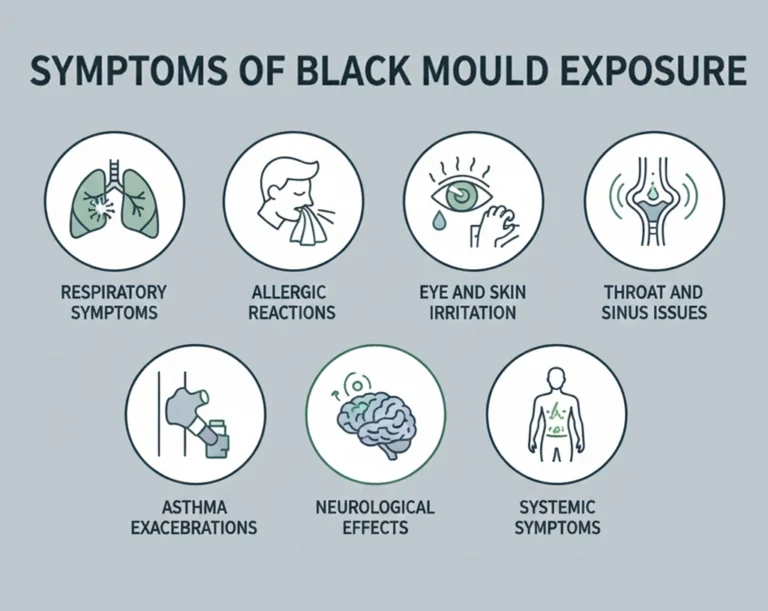
Mould and Neurological and Cognitive function
Mycotoxins can cross the blood-brain barrier, disrupt neurotransmitter balance, and damage neuronal mitochondrial function, thereby affecting brain function.
Mycotoxins may interfere with dopamine pathways required for focus, serotonin pathways involved in mood regulation and balance, and GABA signalling for calm. The Microglia are immune cells found in the brain. When chronically activated, they release inflammatory mediators.
The neurological symptoms that can follow include
- Brain fog
- Poor memory
- Anxiety or depression
- Irritability
- Insomnia and sleep disturbances
- Light sensitivity
- Memory impairment and cognitive decline
These symptoms are often misdiagnosed as primary psychiatric disorders when the root driver may be an inflammatory neurotoxicity.
Mould and Cellular Function
The energy production centre of all body cells is known as the mitochondria. All cells are energy- dependant. Mitochondrial impairment resulting from mould exposure can reduce energy production.
Mycotoxins can impair electron transport chain function, increase oxidative stress, damage mitochondrial membranes, and reduce ATP production
Symptoms
- Chronic fatigue, not improved by rest
- Mental fatigue and slowed processing speed
- Muscle weakness
- Poor exercise tolerance and post-exertional crash
- Slowed metabolic rate
- Reduced detoxification capacity
- Reduced concentration
- Hormone signalling weakens
- Immune function declines
- Sensory hypersensitivity
This is the reason mould-related illnesses and symptoms often present as multi-system dysfunction rather than as an isolated disease.
Mould and Hormonal Function
As already stated, mould and mycotoxins cross the blood-brain barrier, and it can cause neuroinflammation that affects the Hypothalamus and Pituitary glands. The Hypothalamus and Pituitary glands play a big role in regulating hormonal messages throughout the body. For a more in-depth read, this BLOG (link)
The HPA-T axis is regulated by the Hypothalamus, Pituitary gland, Adrenal glands, and the Thyroid gland. When the HPA – T axis signalling is disrupted, it causes:
- Thyroid hormone release becomes impaired
- Adrenal stress increases
- Cortisol rises
- Metabolism slows further
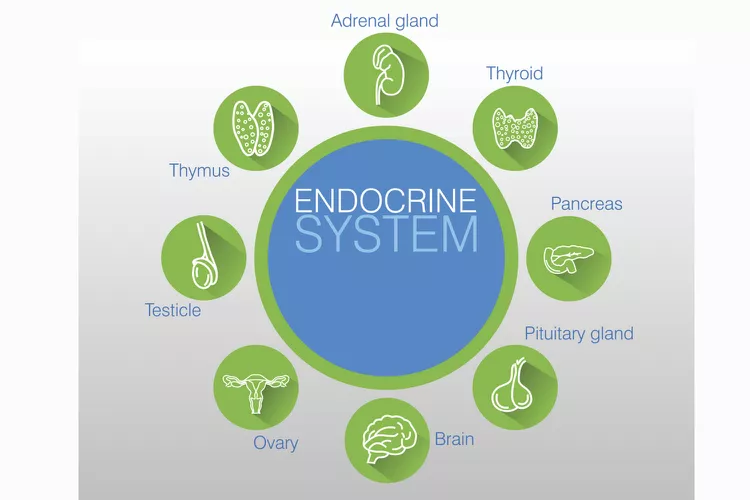
Symptoms of Hormonal Dysfunction
This network most commonly impacts the thyroid gland and disruption in hormone conversion, as well as the Adrenal gland, and stress axis dysregulation.
Thyroid Dysfunction
- Low T3 conversion
- Subclinical hypothyroidism
- Cold intolerance
- Hair thinning
- Slow metabolism
Adrenal Dysregulation
- Elevated cortisol (early stage)
- Flattened cortisol curve (later stage)
- Morning fatigue
- Wired but tired feeling
Female Hormonal Imbalance
- PMS
- Heavy periods
- Irregular cycles
- Estrogen dominance
- Fertility challenges
Male Hormonal Disruption
- Reduced testosterone
- Fatigue
- Reduced muscle mass
- Decreased libido
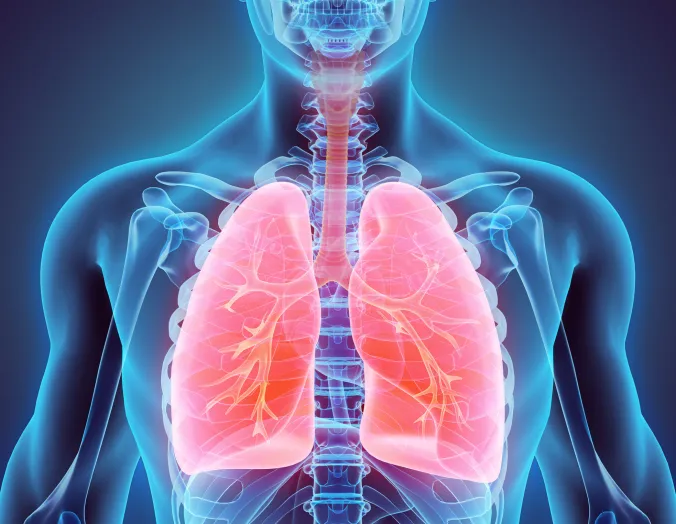
Mould and Respiratory Function
Inhalation into the respiratory system is the primary exposure route of mycotoxins. In some cases, mould colonization of the sinuses may occur.
Symptoms:
- Chronic sinus congestion
- Post-nasal drip
- Chronic cough
- Shortness of breath
- Wheezing
- Recurrent sinus infections
- Asthma-like symptoms
Mould and Immune Function
Mycotoxins can both suppress and dysregulate the immune response.
Immune suppression: Recurrent infections, frequent colds, slow wound healing, fungal overgrowth, and viral reactivation.
Immune overactivation: Autoimmune activation, chronic inflammation, allergic-type reactions, hives, skin rashes, itching, food sensitivities, histamine intolerance
When the immune system becomes dysregulated and ‘confused’ , it becomes ineffective in what it is designed to do.
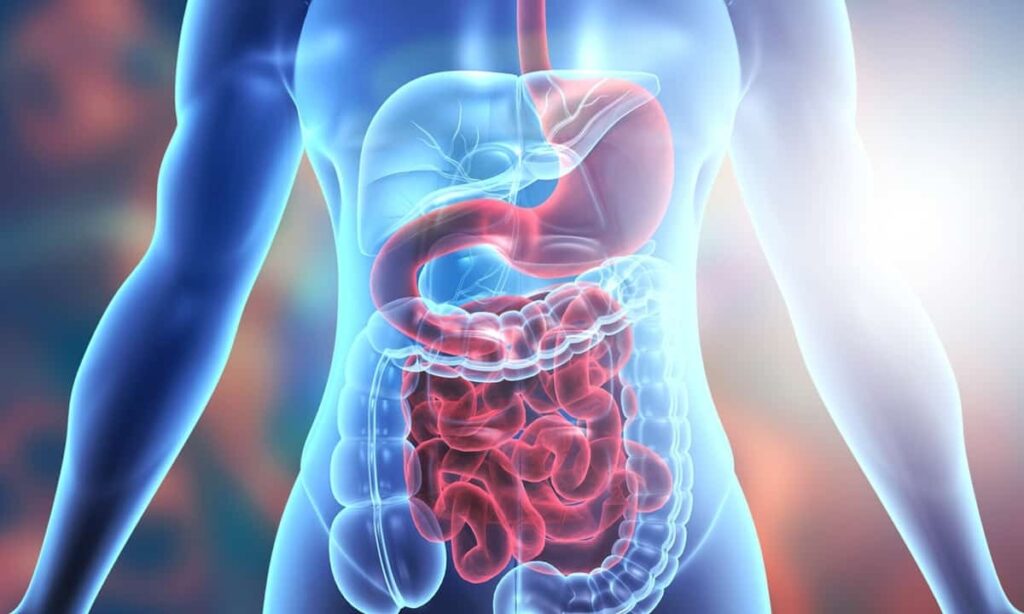
Mould and Digestive Function
The gastrointestinal system has direct exposure to mycotoxins of mould, and gut dysfunction further impairs detoxification and immune balance.
Mycotoxins in the gut may cause
- Disruption in gut microbiome balance
- Increase intestinal permeability, causing “leaky gut”
- Promote fungal overgrowth
- Trigger food sensitivities
Symptoms:
- Bloating
- Constipation or diarrhea
- Alternating bowel patterns
- Abdominal pain
- Candida overgrowth
- Small intestinal bacterial overgrowth (SIBO)
- Food sensitivities
- Poor bile flow
The gut-liver axis becomes compromised, impairing detoxification and bile flow.
Mould and Liver Function
The Liver is one of the most important detoxification organs of mycotoxins. The liver has many functions, including clearing excess hormones, producing bile, and detoxifying metabolic products.
Mycotoxins in the liver can lead to increased oxidative stress response, deplete glutathione, impair the detox pathways, and increase the inflammatory burden. If bile flow is also impaired, all the toxins recirculate into the body through the blood vessels
Symptoms
- Sluggish bile flow
- Chemical sensitivity
- Hormone clearance issues
- Estrogen dominance
- Fatigue
Mould and Metabolic Function
Mould exposure can directly interfere with metabolic signalling. Mycotoxins are lipophilic, they are fat-soluble, and the body may retain fat tissue to store toxins safely.
Mycotoxins can impair Insulin signalling and cortisol regulation. The body may respond by holding on to fat tissue where mycotoxins are stored as a protective mechanism. This, in turn, may slow metabolism and retain abdominal fat. When fat is broken down rapidly, toxin release can trigger inflammatory symptoms, causing the body to slow fat loss.
Symptoms include
- Unexplained weight gain
- Weight loss resistance despite calorie restriction
- Insulin resistance
- Blood sugar instability
- Increased sugar cravings
- abdominal fat retention
Hormone dysregulation and in particular the Thyroid function plays a role in metabolism control and metabolic health.
Mould and Weight Loss
Mould toxicity affects weight loss in multiple ways and is not just attributed to reducing calories in the process. Mycotoxins may:
- Suppresses thyroid function
- Slows basal metabolic rate
- Increases chronic inflammation
- Damages mitochondria, reducing cellular energy
The above may lead to cravings and constant hunger, fatigue, and difficulty burning excess fat.
Mould and Musculoskeletal Function
Mycotoxins that cause inflammatory cytokine elevation contribute to systemic pain.
Symptoms include
- Joint pain
- Muscle aches
- Stiffness
- Fibromyalgia-like symptoms
- Migrating pain patterns
Chronic Inflammatory Response Syndrome (CIRS) is a recognized biotoxin-related condition involving systemic inflammatory activation.
Mould and cardiovascular Function
Though less common, mould-related inflammation can affect vascular tone and autonomic regulation of the cardiovascular system.
Symptoms:
- Heart palpitations
- Rapid heart rate
- Blood pressure instability
- Dizziness upon standing
- Exercise intolerance
Mould and the Skin
The skin often reflects an internal inflammatory burden. Histamine release and mast cell activation may play a role.
Symptoms:
- Rashes
- Itching
- Hives
- Eczema
- Unexplained flushing
- Acne flare-ups
Mould and the Reproductive organs
Certain mycotoxins have endocrine-disrupting properties. This may have potential effects on the reproductive organs, affecting fertility, menstrual irregularities, PMS, and testosterone suppression in men. Hormonal signalling is particularly sensitive to chronic inflammation.
In severe or chronic exposure to mycotoxins, symptoms include:
- Fertility challenges
- Recurrent miscarriage
- Low libido

Mycotoxin Exposure Through Diet
Mycotoxin exposure through food products is the most overlooked toxic burden in modern nutrition. Unlike visible mould growth on spoiled food, mycotoxins are microscopic, heat-stable chemical toxins produced by certain fungi during crop growth, harvest, storage, and transport.
They are often invisible, odourless, heat stable, meaning that they are not destroyed by cooking, and stable during processing. Organic foods are often not immune to toxic exposure. And the mycotoxins result not necessarily from the use of pesticides, but the conditions in which products are stored.
Moisture, humidity, poor drying practices, transport conditions, and storage practices have a major impact on the development of mould and mycotoxins in food products.

Common Food Sources of Mould
Food
| High Risk Reason | Mycotoxins | Common Source |
Coffee | Coffee beans are grown in humid climates Inconsistent drying practices Improperly stored or transported beans Roasting does reduce but does not fully eliminate mycotoxins | Ochratoxin A Aflatoxins (occasionally)
| Instant coffee Poorly stored beans Other: Black Tea Herbal tea Loose tea leaves in humid kitchens |
Corn (Maize) | Corn is one of the most mycotoxin-susceptible crops worldwide. High carbohydrate content supports fungal growth Often grown in warm, humid climates Frequently stored in bulk silos Used in animal feed (secondary contamination)
| Aflatoxins Fumonisins Zearalenone Trichothecenes
| Cornmeal Corn flour Cornflakes Tortillas Snack foods Corn syrup
|
Wheat and Grain Products | Grains are highly susceptible during pre-harvest rainfall and improper drying. Grains are harvested wet, stored in silos, transported long distances, and often already mould-exposed before processing.
| Deoxynivalenol Ochratoxin A Zearalenone
| Wheat – breakfast cereals, breads, flours, baked goods Oats Rice – rice and Rice crackers Barley Rye Sorghum |
Nuts and seeds | Grow underground (direct soil fungal exposure) High fat content + improper drying increases contamination risk. Bought in bulk Stored warm Stored longer than a few weeks | Aflatoxins are hepatotoxic and are among the most potent naturally occurring carcinogens identified in food research.
| Peanuts – oil, butter, bars Cashews Pistachios Walnuts Almonds Sunflower seeds Pumpkin seeds Sesame seeds Chia seeds (when old or damp) |
Dried Fruit | Drying processes in humid conditions significantly increase fungal risk Drying concentrates sugars and mould |
| Figs Raisins Dates Apricots Prunes Mango slices Even “organic” dried fruit is not mould-free |
Spices & Herbs | Sun drying on the ground Bulk storage Global transport | Because spices are consumed in small quantities, contamination may be chronic and cumulative.
| Paprika Chilli Powder Black pepper Turmeric Nutmeg Cinnamon (powdered) Dried oregano Basil Thyme Mixed herb blends |
Rice and Legumes | Long storage times increase risk | Ochratoxin A Aflatoxins
| Beans Lentils |
Beer and Fermented Products | Fermentation does not eliminate pre-existing mycotoxins Made from: Barley Wheat Corn | Vinegar (especially apple cider vinegar) KombuchaSoy sauce Miso Tempeh Alcohol | |
Dairy Products | Feeds fungal overgrowth Suppresses immune clearance Increases mucus production | Cheese (especially blue, soft, aged cheeses) Cream cheese Sour cream Yogurt (long shelf life) | |
Chocolate and Cocoa | Cocoa beans contaminated during fermentation | ChocolateIncludes Dark Chocolate | |
Sugary & Processed foods | Feed mould in the body. Mould thrives on glucose | Sugar Syrups Sweets Pastries Soft drinks Fruit juices | |
Left Over Food | Mould grows in cold environments. If stored longer than 24–48 hours, risk increases sharply. | Cooked rice Cooked pasta Sauces Soups Gravy Cut fruit | |
Hidden Household Exposure | Common household items in contact with food | Bread bins Wooden cutting boards Sponges Dishcloths Coffee machines Fridge seals Ice makers |
Process to start removing mould and detoxifying the body
Mould is a very difficult microorganism to remove from the body. Mould and mycotoxins protect themselves inside the body to continue thriving.
Reasons include:
- Mycotoxins are lipophilic, binding to fat tissue. The body stores them in fat as a protective mechanism, and the body slows the process of releasing fat, weight loss, and avoiding toxic overload.
- Mould colonies produce sticky biofilm layers (like slime) that shield them from the immune system and antifungals.
- Mould hides through spores that lodge in sinuses, lungs, and gut linings, where the immune system cannot pick up their existence and destroy them
- Mould creates a safehouse for working together with Parasites. That Parasites create biofilms and mould embeds in those biofilms. Parasites also use heavy metals as shields in the body.
Heavy metals protect parasites from immune destruction, bind mycotoxins, and damage mitochondria.
This creates a toxic triangle between mould, parasites, and heavy metals. It is important to follow a structured detox pattern, supported with binders, and to prevent the body from toxic overload as it eliminates pathogens

When addressing mould and mycotoxins, the most important principle is that you start with removal and drainage of the body and then kill off unwanted toxins and pathogens. If the sequence is not followed, unwanted symptoms will be experienced.
Mould detoxification is not about aggressively attacking organisms. It is about:
- Removing ongoing exposure
- Opening detox pathways
- Binding circulating toxins
- Supporting cellular recovery
Step 1: Remove or reduce the exposure
Detoxification cannot succeed if exposure continues to environmental and food sources, as well as other indoor sources
Step 2: Open drainage pathways
Before binding toxins, the body must be able to eliminate them. The four primary elimination routes are the liver, gut, lymph, and kidneys. If these pathways are blocked or sluggish, the toxins will be recirculated.
See the Detox Blogs (links)
- Liver
- Gut
- Lymph
Step 3: Bind mycotoxins safely
Mycotoxins are often fat-soluble and require binding agents to assist removal. Binders attach toxins in the gut and prevent reabsorption.
Common categories include activated charcoal, clay-based binders, and modified citrus pectin
Step 4: Support Mitochondrial Recovery
Mycotoxins impair mitochondrial function, and energy recovery could be gradual.
Some support strategies may include getting adequate sleep, mineral supplementation, B-vitamins, CoQ10, and antioxidant support.
Step 5: Address Biofilm and Microbial Overgrowth
This step is addressed later and is not the starting point. Once drainage pathways are open and stable, detox symptoms are manageable, and inflammation has been reduced.
Step 6: Stabilize the Nervous System
Chronic mould exposure dysregulates the stress response. Detox must occur in a regulated nervous system state. Deep breathing practices, gentle exercise, adequate sleep, and reducing stress reduce the inflammatory signalling in the nervous system.
Expected Detox Responses
With Mould detoxification process, temporary symptoms may include.
- Headache
- Fatigue
- Mild nausea
- Brain fog flare
- Irritability
- Bowel changes
These should be mild and manageable. If symptoms are severe, ensure to slow down, reduce binder dosage, increase hydration, and reassess bowel functions
Natural Products for Mould Detox
Binders Traps toxins and removes them
| Zeolite – Negatively charged mineral that binds heavy metals, ammonia, and mycotoxins in the gut, preventing reabsorption. Activated Charcoal – Binds a wide range of mycotoxins and gases, reducing die-off symptoms like headaches, nausea, and brain fog. Diatoms – Absorb toxins and soothe the digestive tract. Bentonite Clay – Adsorbs toxins and soothes the digestive tract. Chlorella – Algae that binds heavy metals and supports liver detox enzymes.
|
Liver & Kidney Support Process and excrete toxins | BioFulvic (Fulvic Acid) – Improves nutrient absorption, mobilizes toxins, enhances cellular energy, and protects the liver. Detox tea – Protects liver cells and boosts glutathione. Herbal mould and mycotoxin – Herbal support for deep detox, liver and bile flow, and kidney filtration.
|
Gut Repair & Microbiome Balance | FloraVive Spore Probiotic – Reseeds healthy bacteria, breaks down mould toxins, and restores gut barrier function. Raw biotics Gut – Probiotic supplement
|
Immune & Inflammation Modulators | Frankincense Oil (Frankincense and myrrh blend) – Immune-balancing, reduces systemic inflammation, protects brain and nerves. Black Cumin Seed Oil – Strong antifungal, antioxidant, and immune-restorative. Turmeric / Curcumin – Potent anti-inflammatory and antioxidant, reduces brain fog and joint pain. Mould triggers autoimmunity and chronic inflammation; immune regulators calm the system while fighting fungi.
|
Antifungals (Natural & Essential Oils) | Hadassah Healing Oils Mould Detox Blend – Clove, oregano, thyme, cinnamon, lemongrass, frankincense, rosemary, myrrh, black cumin seed oil; broad-spectrum antifungal + toxin neutralizer. Garlic (Allicin) – Natural antifungal and immune booster. Olive Leaf herbal capsules – Antifungal, antiviral, immune strengthening. Directly reduce fungal overgrowth and prevent mould from recolonizing the body. |
Antioxidants & Mitochondrial Support | Vitamin C – Neutralizes free radicals, supports immunity. Vitamin E + Selenium – Protects brain and nerves from mycotoxin damage. Mycotoxins cause oxidative stress and mitochondrial shutdown → fatigue, brain fog, and pain. |
Nervous System & Trauma Recovery | Magnesium complex herbal capsule – Relaxes the nervous system, improves sleep, reduces muscle tension. Omega-3 oils (fish oil) – Anti-inflammatory, restores brain cell membranes. Vagus Nerve Support Oils (lavender, Roman chamomile, clary sage) – Calm the nervous system, helping shift from “fight or flight” into “rest and digest.” |
Sweating & Drainage Support | Infrared Sauna / Epsom Salt Baths / MMS baths – Mobilize and eliminate toxins via skin. Castor Oil Packs (over liver/abdomen) – Stimulate lymphatic and liver drainage. If toxins can’t leave through the kidneys or bowels fast enough, the skin is an important detox pathway. |
Essential Oils Mechanism of Action

Direct Antifungal Action: Compounds such as eugenol, carvacrol, thymol, cinnamaldehyde, citral, and thymoquinone penetrate fungal membranes, disrupt fungal colonies, and break down biofilms.
Mycotoxin Neutralization: Black cumin seed oil and myrrh protect against oxidative damage from fungal toxins, supporting the liver’s detoxification pathways.
Immune Modulation: Frankincense, myrrh, and rosemary calm hyperactive immunity while enhancing pathogen defence.
Liver & Bile Flow: Lemongrass and rosemary promote bile production, crucial for eliminating fat-soluble mycotoxins.
Neuroprotection: Frankincense, black cumin, and cinnamon reduce brain inflammation and support recovery from mould-induced neurological symptoms.
Circulation & Lymph Support: Clove, oregano, and thyme stimulate blood flow, while myrrh and rosemary assist lymphatic drainage.
MOULD DETOX PROTOCOL
As already mentioned, mould and mycotoxins build biofilms and tissue reservoirs to hide from detection and treatment.
A safe and effective detox must combine antifungals, binders, liver support, probiotics, immune modulators, and drainage tools, so the shield is broken down, toxins are trapped, and the body can truly restore balance.
Detox timeframe
- Initial Clearing Phase (6–12 weeks)
- Focus: Binders, antifungals (your Mould Detox blend and herbal capsule), liver support (BioFulvic), probiotics (FloraVive).
- Goal: Reduce active fungal load in gut, sinuses, and tissues. Mobilize and bind circulating toxins.
- Many symptoms (fatigue, headaches, sinus issues, brain fog) improve in this stage, but it is only the beginning.
- Deep Detox & Repair Phase (3–6 months)
|
- Focus: Clearing mycotoxins from fat stores, lymph, and deeper tissues.
- Add more structured protocols (sauna, sweating, lymph drainage, detoxifying diet, anti-inflammatory diet).
- Support mitochondria and nervous system, since mould toxins suppress energy production and cause neuroinflammation.
- This is the stage where resilience, sleep, mood, and energy start to normalize.
- Long-Term Restoration (6–12 months, sometimes longer)
- Focus: Healing immune dysregulation, gut lining repair, hormone balance, and nervous system reset.
- Some people with heavy or long-term exposure need a year or more to fully clear mould toxins and rebuild immunity.
- Maintenance with small daily doses of binders, probiotics, and antifungals (mould detox blend 30 ml and mould and mycotoxin herbal capsules) is often recommended to prevent relapse.
PRODUCTS TO USE IN PROTOCOL
Drink one capsule of Mould Detox Blend 30 ml blend a day
Drink 2 capsules of Mould and Mycotoxin Herbal Capsules 3 times daily
Drink 2 capsule of Activated Charcoal Herbal Capsules at night
Drink 2 capsules of Floravive Herbal Capsules a day
Biofulvic Herbal Capsules one capsule a day
Drink Detox Herbal Tea 2 x day
MMS Use to wash and clean grains, rice, beans, fruit and vegetables. (see info below)
Use as needed the Mould Detox Diffuser Blend 10ml in house and Mould Killer Inhaler daily
IMPORTANT TO KNOW
All our blend’s come in a 30ml glass bottle, with a glass pipette and a rubber bulb on top. Don’t forget to buy empty veggie capsules when purchasing an ingestible blend. (Our veggie capsules are now available in 90’s and 150’s).
Never pre-fill capsules for future use, as this will compromise the veggie capsule and melt. Instead, always fill the capsules just before drinking it. (But if no other option, only prepare up to 3 days’ supply. You MUST then keep them upright in the refrigerator in a marked container; to know which blend it is filled with.)
Dosage is always a full capsule of a specific blend (between 15 to 18 drops).
If you have to drink more than one capsule a day, spread them throughout the day, never more than two capsules at a time. Spreading the capsules throughout the day assists the body with proper absorption. Always good to have a very small snack/fruit before drinking capsules.
Miracle Mineral Solution (MMS)
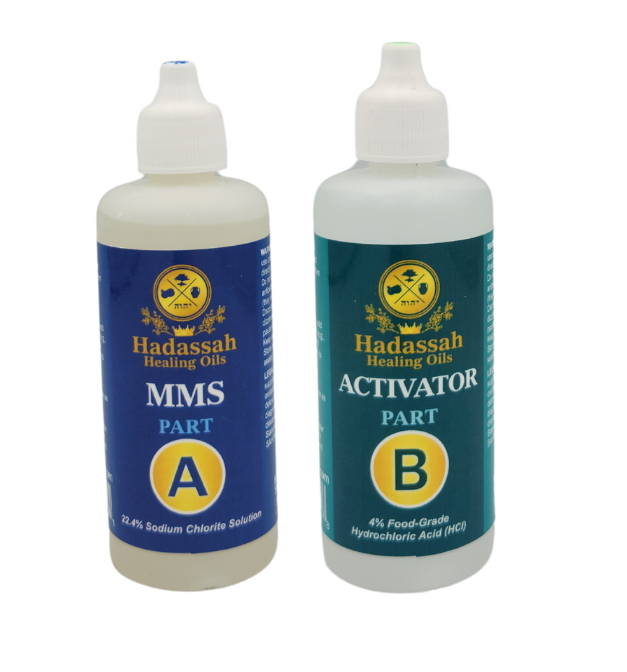
MMS (Miracle Mineral Solution) is a two-part system that produces chlorine dioxide, a potent, fast-acting oxidative agent used for detoxification, pathogen elimination, and water purification.
Upon activation, chlorine dioxide (ClO) releases reactive oxygen species that penetrate microbial cell walls and denature proteins through oxidation, particularly affecting sulfur-containing amino acids and disulfide bonds in pathogens.
Chlorine dioxide functions as a selective oxidizer, meaning it targets low pH, anaerobic, or negatively charged pathogens and toxins. It does not accumulate in tissues, and when used in low concentrations, it is rapidly broken down and excreted by the body.
MMS (chlorine dioxide) functions as a broad-spectrum antimicrobial agent through a unique oxidative mechanism that selectively targets and destroys pathogenic organisms while sparing healthy human
HOW TO USE MMS
To activate MMS prior to use, follow these instructions:
1. In a clean glass, mix equal drops of Part A and Part B (e.g., 1 drop + 1 drop).
2. Let the mixture sit for 30 seconds to activate – it will turn light amber and smell slightly of chlorine.
3. Immediately add to 150–250 ml of purified water for oral use or application.
For other personal use, the MMS information sheet.
Haddasah Healing Oils Products
Mould Detox Blend 30 ml blend
Mould Detox Diffuser Blend 10ml
Mould and Mycotoxin Herbal Capsules
Activated Charcoal Herbal Capsules
MMS use as needed ,see information sheet from HHO
Essential Oil | Compound | Action | Benefit |
Clove Bud Oil (Syzygium aromaticum) | Eugenol
| Potent antifungal, enhances circulation, supports liver enzymes. | Effective against Candida and mould spores. |
Oregano Oil (Origanum vulgare)
| Carvacrol, thymol | Broad-spectrum antifungal disrupts fungal membranes, biofilm breaker. | Clears mould/fungal overgrowth in the gut and bloodstream |
Thyme Oil (Thymus vulgaris – red thyme) | Thymol | Antifungal, boosts immunity, respiratory support | Strong against resistant mould strains |
Cinnamon Bark Oil (Cinnamomum verum) | Cinnamaldehyde | Antifungal, antimicrobial, circulation enhancer. | Destroys fungal colonies and biofilms. |
Lemongrass Oil (Cymbopogon citratus) | Citral | Antifungal, antioxidant, liver support. | Aids in detoxifying mould toxins while lowering oxidative stress. |
Frankincense Oil (Boswellia carterii/serrata) | Boswellic acids, alpha-pinene | Anti-inflammatory, immune-modulating, neuroprotective. | Protects the brain and immunity during mould detox. |
Rosemary Oil (Rosmarinus officinalis, cineole chemotype) | 1,8-cineole, camphor | Antifungal, circulation booster, detox enzyme stimulant | Enhances liver clearance of mould toxins, supports clarity and energy. |
Myrrh Oil (Commiphora myrrha) | Sesquiterpenes, curzerene | Antifungal, antimicrobial, immune restorative, mucosal repair. | Protects and heals gut lining, boosts immune resilience, assists liver detox. |
Black Cumin Seed Oil (Nigella sativa) | Thymoquinone | Strong antifungal, antioxidant, liver-protective, anti-inflammatory | Neutralizes mycotoxins, protects the liver and brain from oxidative stress, supports immune balance. |
Olive Oil (Olea europaea) | Carrier oil with polyphenols. | Enhances absorption, protects mucosa, provides antioxidants. | Safe ingestion, cardiovascular and liver support. |
Nutritional Guidance
As mentioned earlier in this blog, many food sources are naturally prone to mould include Grains, Corn, Wheat, Coffee, Nuts, Dried fruit, and Spices.
It is very important to use MMS to wash and prepare food. Using activation method, a total of 10 drops and mixing it with water, to wash produces, all rice and grains and beans. Food products should be soaked for 10-15 minutes. The MMS will remove the mycotoxins and should be incorporated in daily food preparation.
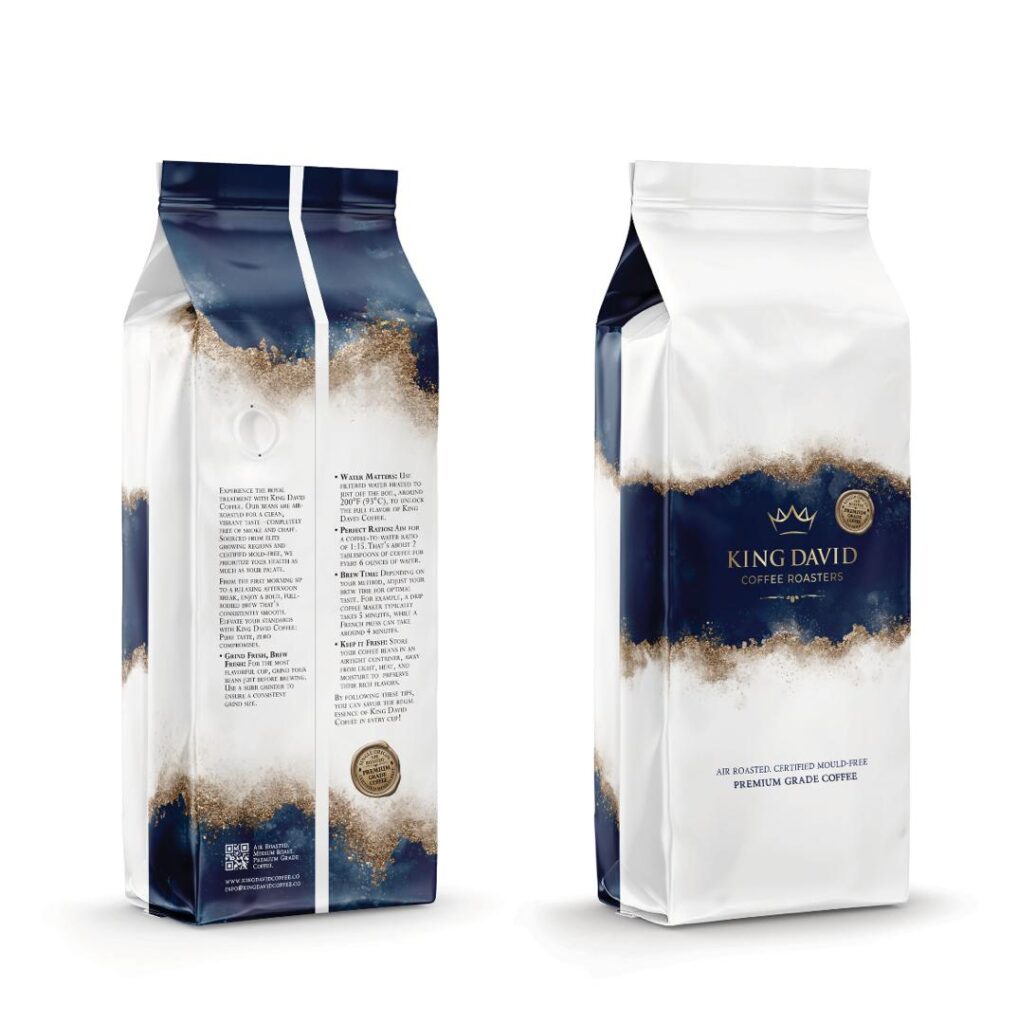
The best swop and change is to make is to use MOULD- free products where possible. Hadassah now stock the first certified MOULD-FREE Coffee beans.
KING DAVID MOULD & MYCOTOXIN-FREE COFFEE 250G
King David Coffee is a premium-quality coffee specifically selected and tested for reduced mould and mycotoxin contamination, providing a cleaner daily coffee experience for individuals seeking wellness, detox support, and a lower toxic burden lifestyle.
Lifestyle and Spiritual Guidance
Mould and mycotoxins can be seen as a ‘hidden’ threat to your health and wellbeing. A strong body houses a strong mind and spirit. God defends us against invisible and unknown dangers.
Psalm 91:3-6
Surely, he will save you from the fowler’s snare and from the deadly pestilence. He will cover you with his feathers, and under his wings you will find refuge; his faithfulness will be your shield and rampart. You will not fear the terror of night, nor the arrow that flies by day, nor the pestilence that stalks in the darkness, nor the plague that destroys at midday.
To gain a deeper understanding of the root causes of health, do refer to books written by Dr MK Strydom – ‘Healing Begins with Sanctification of the Heart’ – DR MK Strydom. Second edition 2010. and The Bible from a Medical Perspective, Medicine from a Biblical Perspective. Dr MK Strydom, Eagle Wings 2017