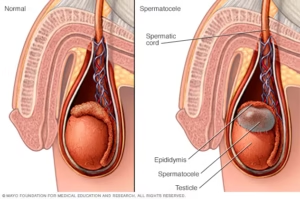
A spermatocele (SPUR-muh-toe-seel) is an abnormal sac (cyst) that develops in the epididymis — the small, coiled tube located on the upper testicle that collects and transports sperm. Noncancerous and generally painless, a spermatocele usually is filled with milky or clear fluid that might contain sperm.
A spermatocele, also known as a spermatic cyst, is a typically painless, noncancerous (benign), fluid-filled sac that grows near the top of a testicle.
The exact cause of spermatoceles isn’t clear, but they might be due to a blockage in one of the tubes that transport sperm.
Spermatoceles, sometimes called spermatic cysts, are common. They typically don’t reduce fertility or require treatment. If a spermatocele grows large enough to cause discomfort, your doctor might suggest surgery.
A spermatocele usually causes no signs or symptoms and might remain stable in size. If it becomes large enough, however, you might feel:
A spermatocele (SPUR-muh-toe-seel) is an abnormal sac (cyst) that develops in the epididymis — the small, coiled tube located on the upper testicle that collects and transports sperm. Noncancerous and generally painless, a spermatocele usually is filled with milky or clear fluid that might contain sperm.
A spermatocele, also known as a spermatic cyst, is a typically painless, noncancerous (benign), fluid-filled sac that grows near the top of a testicle.
The exact cause of spermatoceles isn’t clear, but they might be due to a blockage in one of the tubes that transport sperm.
Spermatoceles, sometimes called spermatic cysts, are common. They typically don’t reduce fertility or require treatment. If a spermatocele grows large enough to cause discomfort, your doctor might suggest surgery.
Cysts and Fibroids Herbal Capsule, 2 capsules three times daily
Testosterone Herbal Capsules, 2 capsules, 3 times daily
Drink : 1 Capsule a day of
Remember to order Empty Veggie Capsules to fill with the blend and Consume as a capsule
Apply over the Testicles Frankincense and Myrrh Blend daily
The cause of spermatoceles is unknown. Spermatoceles might result from a blockage in one of the multiple tubes within the epididymis that transport and store sperm from the testicle.
A spermatocele is unlikely to cause complications.
However, if your spermatocele is painful or has grown so large that it’s causing you discomfort, you might need to have surgery to remove the spermatocele. Surgical removal might damage the epididymis or the vas deferens, a tube that transports sperm from the epididymis to the penis. Damage to either can reduce fertility. Another possible complication that can occur after surgery is that the spermatocele might come back, though this is uncommon.