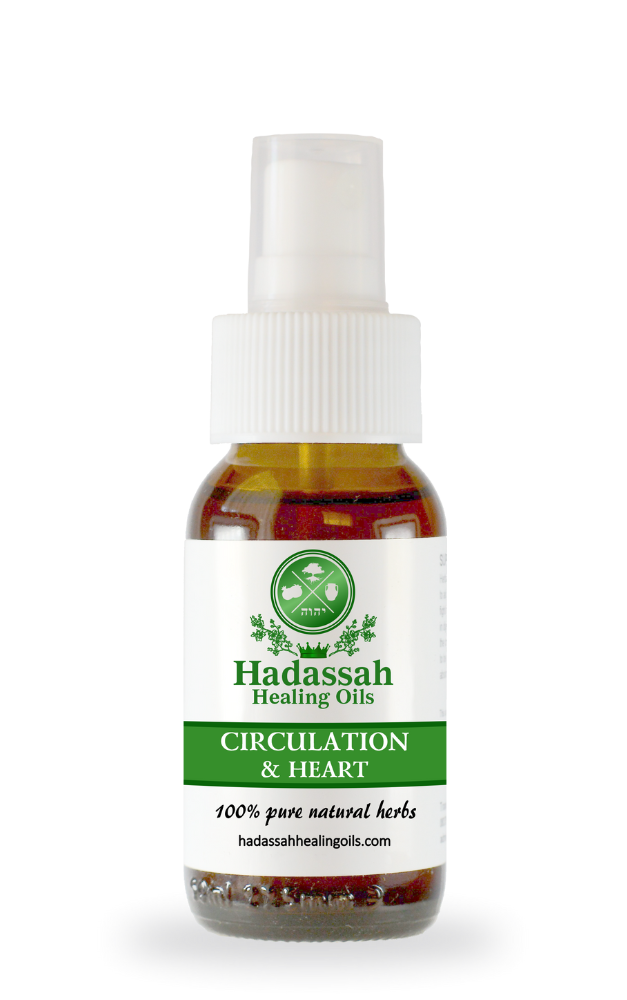
SPLEEN HERBAL TINCTURE 50ml

R210.00 Incl. VAT
In stock
- 100% Natural
- 100% Pure Essential Oils
- 100% Manufacturing Guarantee
- Share to social media
Description
Directions for Use
Warning
Ingredients
Technical Information
Our natural herbal supplement optimizes spleen health by delivering targeted nutrients that support blood filtration and immune function. Made with natural ingredients, providing a solution for overall spleen well-being while helping the body unclog the liver and spleen.
What is the Spleen and how does it work?
The spleen is an organ located in the upper left side of the abdomen, just beneath the ribcage. It is part of the lymphatic system and plays a crucial role in maintaining overall health and immunity. The spleen is a soft, spongy organ that acts as a blood filter and reservoir.
Function:
- Blood Filtration: One of the primary functions of the spleen is to filter blood. It removes old or damaged red blood cells, platelets, and pathogens from circulation, helping to maintain the quality of the blood.
- Immune Response: The spleen is a vital component of the immune system. It contains white blood cells (lymphocytes) that help identify and destroy bacteria, viruses, and other potentially harmful substances.
- Storage of Platelets: The spleen serves as a storage reservoir for platelets, which are essential for blood clotting. It can release platelets into the bloodstream when needed.
- Blood Reservoir: The spleen acts as a blood reservoir, storing a reserve of blood that can be released into the circulation during situations like haemorrhage or other emergencies.
- Red Blood Cell Production (in Fetal Development): During fetal development, the spleen contributes to the production of red blood cells. However, in adults, this function is primarily taken over by the bone marrow.
Working Mechanism: Blood flows into the spleen through the splenic artery, and within the spleen, it moves through a network of tiny blood vessels called sinusoids. As blood passes through these sinusoids, the spleen’s specialized cells, such as macrophages, remove any damaged or old blood cells and particles. The cleaned blood then exits the spleen through the splenic vein.
Secretions: The spleen does not secrete substances into the digestive system like other organs such as the liver or pancreas. Instead, its functions involve the filtration and processing of blood components.
Connection with Other Organs: The spleen is intricately connected to other organs and systems in the body, including
- Blood Circulation: The splenic artery brings oxygenated blood into the spleen, while the splenic vein carries the filtered blood away.
- Lymphatic System- The spleen is part of the lymphatic system, working alongside lymph nodes and other lymphatic organs to support immune function.
- Liver: The spleen and liver work in tandem to maintain blood quality. The liver produces many of the proteins found in blood plasma, while the spleen filters and removes old blood cells.
In summary, the spleen is a multifunctional organ crucial for blood filtration, immune response, and storage of blood components. Its collaboration with other organs ensures the overall health and functionality of the circulatory and immune systems.
Diseases of the Spleen
The spleen, despite its important functions, is not immune to diseases. Here are some diseases and health problems associated with the spleen:
- Splenomegaly: Enlargement of the spleen, known as splenomegaly, can result from various causes such as infections (mononucleosis, malaria), liver diseases (cirrhosis), blood disorders (sickle cell anaemia), and cancers (lymphoma). Symptoms often include abdominal pain, a feeling of fullness without eating, and fatigue.
- Splenectomy: Surgical removal of the spleen, called splenectomy, is typically performed due to trauma, certain blood disorders, or cancer. However, this procedure leaves individuals more susceptible to bacterial infections, particularly those caused by encapsulated bacteria.
- Hypersplenism: Hypersplenism refers to an overactive spleen that prematurely destroys blood cells. It can be caused by conditions such as liver cirrhosis or certain blood disorders, leading to symptoms like anaemia, low platelet count, and leukopenia.
- Splenitis: Inflammation of the spleen, termed splenitis, may occur due to infections (bacterial or viral) or trauma. Symptoms often manifest as pain in the upper left abdomen, fever, and tenderness.
- Spleen Infarction: Spleen infarction, characterized by the interruption of blood supply and subsequent tissue death in the spleen, can result from factors like blood clots or embolisms. Severe abdominal pain and fever are common symptoms.
- Splenic Cysts: Splenic cysts, fluid-filled sacs in the spleen, can be caused by infections, injury, or unknown factors. While they are often asymptomatic, large or infected cysts may lead to pain.
- Spleen Trauma: Injury or damage to the spleen, known as spleen trauma, can result from blunt force trauma (accidents, falls) or penetrating injuries. Symptoms include abdominal pain, tenderness, and light-headedness.
- Haematological Disorders: Various haematological disorders, such as thalassemia and sickle cell anemia, can impact the spleen. These conditions often overwork the spleen, leading to its enlargement. Early diagnosis and appropriate medical intervention are crucial for managing spleen-related diseases and preventing complications.
Factors causing an unhealthy Spleen:
Several factors can contribute to the development of an unhealthy spleen:
- Infections: Bacterial, viral, or parasitic infections can affect the spleen, leading to inflammation and potential damage.
- Blood Disorders: Conditions like sickle cell anaemia, thalassemia, and other blood disorders can cause the spleen to overwork, leading to enlargement and potential dysfunction.
- Liver Diseases: Liver conditions such as cirrhosis may affect the spleen due to their close anatomical and functional relationship.
- Cancers: Both primary cancers of the spleen (such as lymphomas) and metastatic cancers from other organs can compromise spleen health.
- Trauma: Physical injuries or trauma to the abdominal area can result in spleen damage, ranging from mild contusions to severe lacerations.
- Autoimmune Disorders: Conditions where the immune system mistakenly attacks the body’s tissues can lead to inflammation and damage to the spleen.
- Infiltrative Diseases: Certain diseases can cause abnormal substances (amyloid, for example) to build up in the spleen, affecting its function.
- Genetic Factors: Some individuals may be predisposed to spleen-related conditions due to genetic factors.
- Cysts or Abscesses: Formation of cysts or abscesses in the spleen, often due to infections or other underlying issues, can compromise its normal function.
- Hypersplenism: Overactivity of the spleen, leading to premature destruction of blood cells, can occur due to various underlying conditions.
It’s important to note that maintaining overall health and addressing any underlying medical conditions is crucial for spleen health. Regular medical check-ups, a healthy lifestyle, and prompt attention to any symptoms are essential for preventing and managing spleen-related issues.
Symptoms of Spleen problems:
Spleen problems may manifest through various symptoms, indicating potential issues with this vital organ. Common symptoms associated with spleen problems include:
- Pain or Discomfort: Sudden or chronic pain in the upper left abdomen, often radiating to the left shoulder. This pain may result from an enlarged spleen pressing against surrounding organs.
- Swelling or Enlargement: An enlarged spleen (splenomegaly) can cause a noticeable swelling in the abdomen. This may be accompanied by a feeling of fullness or discomfort.
- Frequent Infections: Recurrent infections, particularly bacterial infections like pneumonia or meningitis, may indicate a compromised immune function related to spleen problems.
- Fatigue: Spleen disorders can lead to the destruction of red blood cells, causing anaemia and resulting in fatigue, weakness, and pale skin.
- Easy Bruising or Bleeding: A damaged spleen may affect platelet function, leading to easy bruising, prolonged bleeding, or petechiae (small, red or purple spots on the skin).
- Anaemia: Insufficient red blood cells due to spleen dysfunction can result in anaemia, leading to symptoms like fatigue, dizziness, and shortness of breath.
- Digestive Issues: Discomfort or pain during eating, especially after consuming a large meal, may be associated with an enlarged spleen pressing against the stomach.
- Back Pain: Pain or discomfort in the back, specifically on the left side, may occur as a result of an enlarged spleen affecting adjacent structures.
- Frequent Inflammatory Conditions: Conditions associated with chronic inflammation, such as rheumatoid arthritis, may be more prevalent in individuals with spleen problems.
- Low Platelet Count: A decreased platelet count (thrombocytopenia) may lead to increased bleeding tendencies, manifested through nosebleeds or prolonged bleeding from minor cuts.
It’s essential to note that these symptoms can be indicative of various health conditions, and a healthcare professional should evaluate any persistent or concerning symptoms. If you suspect spleen-related issues, seeking prompt medical attention is crucial for proper diagnosis and appropriate management.
Spleen Anatomy in the Filtration Process:
- Spleen Function in Blood Filtration: The spleen’s role in blood filtration aligns with its anatomical structure, consisting of two main regions—red pulp and white pulp. The red pulp, resembling a meshwork of sinuses and cords, forms the bulk of the spleen. As blood flows through the red pulp, specialized macrophages within this region identify and selectively remove old, damaged, or irregular red blood cells. The anatomy of the red pulp, with its sinusoidal network, allows for efficient filtration, ensuring that only healthy red blood cells continue circulating in the bloodstream.
- Red Pulp’s Filtration Process: Within the red pulp, the spleen’s anatomy facilitates its function as a meticulous filter. Macrophages, strategically positioned in the sinusoidal spaces, survey passing red blood cells. As blood traverses this intricate network, macrophages recognize abnormalities and phagocytose-compromised cells, preventing their circulation. This anatomically designed filtration process is pivotal in maintaining the quality and integrity of the blood.
- White Pulp’s Role in Immune Response: On the other hand, the white pulp, organized into lymphoid follicles, interacts closely with the circulatory system. Its anatomical arrangement allows for effective immune surveillance. Lymphocytes within the white pulp monitor the blood for pathogens and foreign particles, initiating immune responses as needed. This anatomically specialized region enhances the spleen’s role as a key player in immune function, bolstering the body’s defenses against infections.
- Storage of Platelets for Clotting: The anatomical structure of the spleen also accommodates a crucial role in blood clotting. In the red pulp, platelets are stored in close association with the sinusoidal network. When necessary, the spleen releases these stored platelets into circulation, contributing to the body’s ability to form clots. This anatomically orchestrated process supports wound healing and ensures a balanced response to prevent excessive bleeding.
Understanding how the spleen’s anatomy aligns with its functions provides a comprehensive view of its intricate role in maintaining blood health and supporting overall physiological well-being.
20 minutes before meals (1 Spray = 4 drops)
Adults: 6-8 Sprays in the mouth, 3 times, daily.
Children between 4-12 years: 2 Sprays, or 8 drops, in the mouth, 3 times daily.
Children between 13-16 years: The same as adults.
Not suitable for pregnant women.
Protect from sunlight and store below 25°c.
Alcohol (Tincture)
Agrimony: Known for its spleen tonic properties, Agrimony contributes to spleen health by preventing hardening. It’s also recognized for supporting liver function, addressing liver disease, and acting as an aid in anger management. The active components responsible for these effects include tannins and flavonoids, known for their anti-inflammatory and antioxidant properties.
AMLA: This herb serves as a powerful immunity booster with remarkable effects on hemoglobin and white blood cell production. It cleanses the liver and spleen while toning muscles. The active ingredient, vitamin C, along with other antioxidants, supports the immune system, liver, and spleen, preventing disorders in these organs.
Astragalus: Improving spleen function, Astragalus aids in reducing congestion and strengthening and nourishing the spleen and heart. Active constituents like polysaccharides contribute to its immunomodulatory effects and cardiovascular benefits.
Barberry: Barberry acts as a spleen tonic, eliminating toxins and reducing blood pressure. Active compounds like berberine exhibit antimicrobial and anti-inflammatory properties, contributing to its therapeutic effects on the spleen and overall cardiovascular health.
Bearberry (Uva Ursi): Known for soothing irritated tissue, bearberry addresses bacteria and fungus issues and assists in managing uric acid levels. Arbutin is an active compound, demonstrating antimicrobial properties and supporting urinary tract health.
Bedstraw: As a lymphatic alternative, bedstraw gradually restores proper bodily functions, aiding in lymph detox and congestion relief. Its constituents, including iridoids and flavonoids, contribute to its lymphatic benefits.
Burdock Root: De-clogging the liver and spleen, burdock root fights germs, reduces fever, and purifies the blood. Active compounds like inulin and polyphenols demonstrate anti-inflammatory, antioxidant, and liver-protective properties.
Cayenne Pepper: Providing nourishment to the spleen, cayenne pepper’s active ingredient, capsaicin, contributes to its vasodilatory effects and anti-inflammatory properties.
Chromium: Chromium supports spleen nourishment, playing a role in glucose metabolism and insulin sensitivity. This essential trace element is involved in various metabolic processes.
Dandelion: Acting as a blood purifier and liver stimulant, dandelion supports the spleen and addresses spleen and liver enlargement. Its active components, including taraxasterol and caffeic acid, exhibit hepatoprotective and diuretic effects.
Dandelion Root: Rich in iron, dandelion root detoxifies and declogs the liver and spleen. Active compounds like chicoric acid and inulin contribute to its antioxidant and anti-inflammatory properties.
Echinacea: With effects on congestion and immune system stimulation, echinacea’s active compounds, including alkamides and polysaccharides, exhibit immunomodulatory properties.
Fenugreek: Supporting lymph function and thinning bile, fenugreek’s active components, such as saponins and flavonoids, contribute to its anti-inflammatory and digestive benefits.
Garlic: Nourishing the spleen, garlic’s active compound allicin exhibits antimicrobial and anti-inflammatory properties, contributing to its cardiovascular and immune system benefits.
Ginger: Improving spleen function and aiding spleen enlargement, ginger’s active components, including gingerol and shogaol, demonstrate anti-inflammatory and digestive effects.
Ginseng: Nourishing and toning the spleen, ginseng’s active compounds, ginsenosides, impact stress response and adaptogenic effects.
Goldenseal: Enhancing blood flow through the spleen, goldenseal’s active compound berberine exhibits antimicrobial and anti-inflammatory effects, contributing to its overall immune system benefits.
Haritake Myrobalan: Improving spleen function and supporting various organ systems, Haritake myrobalan’s active compounds, including tannins and flavonoids, exhibit antioxidant and hepatoprotective effects.
Horseradish Root: Addressing hard swelling of the liver and spleen, horseradish root’s active compounds, including glucosinolates, demonstrate antimicrobial and anti-inflammatory properties.
L-Carnitine L-Tartrate: Supporting spleen function, L-carnitine plays a role in fatty acid metabolism and mitochondrial function.
L-Isoleucine: Aiding spleen function, L-isoleucine is an essential amino acid involved in protein synthesis and immune system regulation.
L-Leucine: Supporting the body’s anti-tumorigenesis processes, L-leucine stabilizes metabolic activities and protein synthesis.
L-Lysine: Supporting anti-tumorigenesis and normal spleen tissue, L-lysine is an essential amino acid involved in protein synthesis and immune system regulation.
L-Methionine: Providing sulfur for antioxidant nutrient production, L-methionine serves as a methyl donor in various metabolic processes.
Magnesium: Nourishing the spleen, magnesium is an essential mineral involved in various enzymatic reactions and muscle function.
Maitake Mushrooms: Replenishing spleen Qi and exhibiting immune-modulating effects, maitake mushrooms’ active compound beta-glucan supports spleen and stomach health.
Milk Thistle: Cleansing the liver and acting as a potent liver substance, milk thistle’s active compound silymarin exhibits hepatoprotective and antioxidant effects.
N-Acetyl Cysteine: Supporting spleen function, N-acetyl cysteine is a precursor to the antioxidant glutathione, contributing to cellular protection.
Omega 3: Nourishing the spleen and exhibiting anti-inflammatory effects, omega-3 fatty acids support overall cardiovascular and immune system health.
Pokeroot: Supporting respiratory, spleen, and lymphatic system health, pokeroot’s active compounds, including phytolaccatoxin, exhibit anti-inflammatory and immune-modulating effects.
Reishi Mushrooms: Nourishing the spleen and exhibiting adaptogenic effects, reishi mushrooms’ active compounds, including triterpenes, support overall immune system health.
Shiitake Mushrooms: Strengthening spleen and pancreas function, shiitake mushrooms’ active compounds, including lentinan, exhibit immune-modulating and antitumor effects.
Turmeric: Nourishing the spleen and exhibiting anti-inflammatory effects, turmeric’s active compound curcumin supports overall cardiovascular and immune system health.
Vitamin B12: Crucial for preventing abnormal red blood cell formation, vitamin B12 reduces strain on the spleen and supports overall hematopoiesis.
Vitamin C: Aiding iron absorption and exhibiting antioxidant effects, vitamin C supports overall immune system health and reduces the risk of anemia and spleen enlargement.
Vitamin D3: Playing a role in splenic protection, vitamin D3 attenuates adverse effects associated with obesity, supporting overall immune system health.
Vitamin E: Supporting spleen function and exhibiting antioxidant effects, vitamin E contributes to cellular protection and overall immune system health.
Yellow Dock: Acting as a blood thinner and de-clogging the liver and spleen, Yellow Dock’s active compounds, including anthraquinones, exhibit anti-inflammatory and liver-protective effects.
Alcohol (Tincture)
Agrimony: Known for its spleen tonic properties, Agrimony contributes to spleen health by preventing hardening. It’s also recognized for supporting liver function, addressing liver disease, and acting as an aid in anger management. The active components responsible for these effects include tannins and flavonoids, known for their anti-inflammatory and antioxidant properties.
AMLA: This herb serves as a powerful immunity booster with remarkable effects on hemoglobin and white blood cell production. It cleanses the liver and spleen while toning muscles. The active ingredient, vitamin C, along with other antioxidants, supports the immune system, liver, and spleen, preventing disorders in these organs.
Astragalus: Improving spleen function, Astragalus aids in reducing congestion and strengthening and nourishing the spleen and heart. Active constituents like polysaccharides contribute to its immunomodulatory effects and cardiovascular benefits.
Barberry: Barberry acts as a spleen tonic, eliminating toxins and reducing blood pressure. Active compounds like berberine exhibit antimicrobial and anti-inflammatory properties, contributing to its therapeutic effects on the spleen and overall cardiovascular health.
Bearberry (Uva Ursi): Known for soothing irritated tissue, bearberry addresses bacteria and fungus issues and assists in managing uric acid levels. Arbutin is an active compound, demonstrating antimicrobial properties and supporting urinary tract health.
Bedstraw: As a lymphatic alternative, bedstraw gradually restores proper bodily functions, aiding in lymph detox and congestion relief. Its constituents, including iridoids and flavonoids, contribute to its lymphatic benefits.
Burdock Root: De-clogging the liver and spleen, burdock root fights germs, reduces fever, and purifies the blood. Active compounds like inulin and polyphenols demonstrate anti-inflammatory, antioxidant, and liver-protective properties.
Cayenne Pepper: Providing nourishment to the spleen, cayenne pepper’s active ingredient, capsaicin, contributes to its vasodilatory effects and anti-inflammatory properties.
Chromium: Chromium supports spleen nourishment, playing a role in glucose metabolism and insulin sensitivity. This essential trace element is involved in various metabolic processes.
Dandelion: Acting as a blood purifier and liver stimulant, dandelion supports the spleen and addresses spleen and liver enlargement. Its active components, including taraxasterol and caffeic acid, exhibit hepatoprotective and diuretic effects.
Dandelion Root: Rich in iron, dandelion root detoxifies and declogs the liver and spleen. Active compounds like chicoric acid and inulin contribute to its antioxidant and anti-inflammatory properties.
Echinacea: With effects on congestion and immune system stimulation, echinacea’s active compounds, including alkamides and polysaccharides, exhibit immunomodulatory properties.
Fenugreek: Supporting lymph function and thinning bile, fenugreek’s active components, such as saponins and flavonoids, contribute to its anti-inflammatory and digestive benefits.
Garlic: Nourishing the spleen, garlic’s active compound allicin exhibits antimicrobial and anti-inflammatory properties, contributing to its cardiovascular and immune system benefits.
Ginger: Improving spleen function and aiding spleen enlargement, ginger’s active components, including gingerol and shogaol, demonstrate anti-inflammatory and digestive effects.
Ginseng: Nourishing and toning the spleen, ginseng’s active compounds, ginsenosides, impact stress response and adaptogenic effects.
Goldenseal: Enhancing blood flow through the spleen, goldenseal’s active compound berberine exhibits antimicrobial and anti-inflammatory effects, contributing to its overall immune system benefits.
Haritake Myrobalan: Improving spleen function and supporting various organ systems, Haritake myrobalan’s active compounds, including tannins and flavonoids, exhibit antioxidant and hepatoprotective effects.
Horseradish Root: Addressing hard swelling of the liver and spleen, horseradish root’s active compounds, including glucosinolates, demonstrate antimicrobial and anti-inflammatory properties.
L-Carnitine L-Tartrate: Supporting spleen function, L-carnitine plays a role in fatty acid metabolism and mitochondrial function.
L-Isoleucine: Aiding spleen function, L-isoleucine is an essential amino acid involved in protein synthesis and immune system regulation.
L-Leucine: Supporting the body’s anti-tumorigenesis processes, L-leucine stabilizes metabolic activities and protein synthesis.
L-Lysine: Supporting anti-tumorigenesis and normal spleen tissue, L-lysine is an essential amino acid involved in protein synthesis and immune system regulation.
L-Methionine: Providing sulfur for antioxidant nutrient production, L-methionine serves as a methyl donor in various metabolic processes.
Magnesium: Nourishing the spleen, magnesium is an essential mineral involved in various enzymatic reactions and muscle function.
Maitake Mushrooms: Replenishing spleen Qi and exhibiting immune-modulating effects, maitake mushrooms’ active compound beta-glucan supports spleen and stomach health.
Milk Thistle: Cleansing the liver and acting as a potent liver substance, milk thistle’s active compound silymarin exhibits hepatoprotective and antioxidant effects.
N-Acetyl Cysteine: Supporting spleen function, N-acetyl cysteine is a precursor to the antioxidant glutathione, contributing to cellular protection.
Omega 3: Nourishing the spleen and exhibiting anti-inflammatory effects, omega-3 fatty acids support overall cardiovascular and immune system health.
Pokeroot: Supporting respiratory, spleen, and lymphatic system health, pokeroot’s active compounds, including phytolaccatoxin, exhibit anti-inflammatory and immune-modulating effects.
Reishi Mushrooms: Nourishing the spleen and exhibiting adaptogenic effects, reishi mushrooms’ active compounds, including triterpenes, support overall immune system health.
Shiitake Mushrooms: Strengthening spleen and pancreas function, shiitake mushrooms’ active compounds, including lentinan, exhibit immune-modulating and antitumor effects.
Turmeric: Nourishing the spleen and exhibiting anti-inflammatory effects, turmeric’s active compound curcumin supports overall cardiovascular and immune system health.
Vitamin B12: Crucial for preventing abnormal red blood cell formation, vitamin B12 reduces strain on the spleen and supports overall hematopoiesis.
Vitamin C: Aiding iron absorption and exhibiting antioxidant effects, vitamin C supports overall immune system health and reduces the risk of anemia and spleen enlargement.
Vitamin D3: Playing a role in splenic protection, vitamin D3 attenuates adverse effects associated with obesity, supporting overall immune system health.
Vitamin E: Supporting spleen function and exhibiting antioxidant effects, vitamin E contributes to cellular protection and overall immune system health.
Yellow Dock: Acting as a blood thinner and de-clogging the liver and spleen, Yellow Dock’s active compounds, including anthraquinones, exhibit anti-inflammatory and liver-protective effects.