
CRAVING CONTROL BLEND 30ML
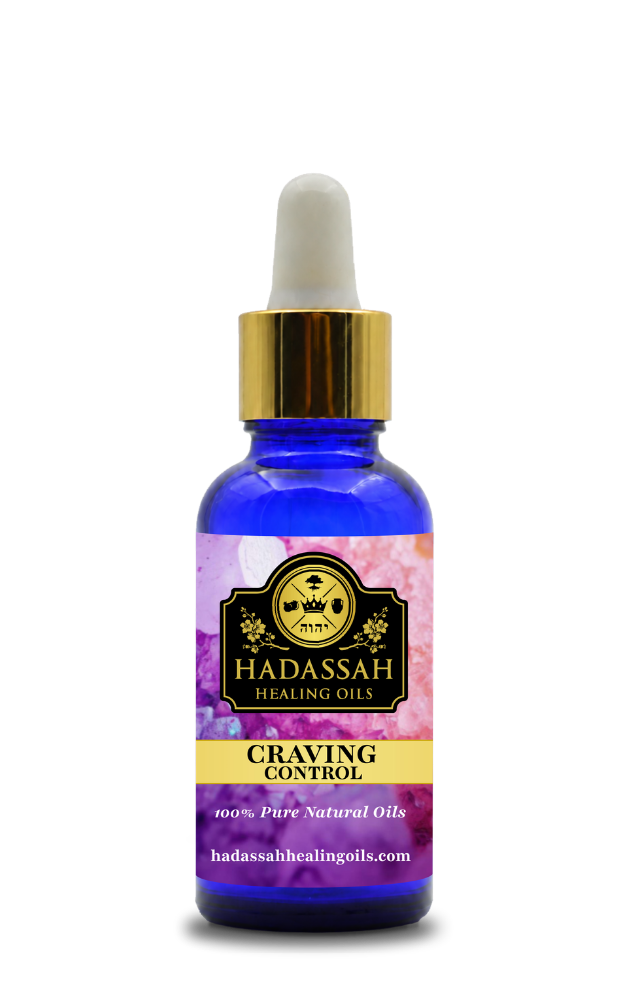
R400.00 Incl. VAT
CRAVING CONTROL BLEND 30ML
Support the ability to distinguish physiological hunger from stress-, habit- and reward-driven cravings, while supporting digestive comfort and healthier food choices.
- 3-5 working days
- All products include VAT.
- Client Testimonies
- 100% Natural
- 100% Pure Essential Oils
- 100% Manufacturing Guarantee
- Share to social media
Description
Directions for Use
Warning
Ingredients
Technical Information
CRAVING CONTROL BLEND 30ML
Craving Control is a concentrated botanical formulation developed around the neurological, gastrointestinal, metabolic and sensory mechanisms that contribute to food cravings and appetite.
Cravings are not simply a lack of willpower.
Food-seeking behaviour is regulated by communication between the:
Hypothalamus
Reward system
Gastrointestinal tract
Pancreas
Adipose tissue
Autonomic nervous system
Stress-response system
The objective is not to abolish normal hunger.
It is to support the ability to distinguish physiological hunger from stress-, habit- and reward-driven cravings, while supporting digestive comfort and healthier food choices.
Craving Control — targeted botanical support for appetite awareness, craving interruption, digestive signalling and healthier eating behaviour.
Support normal appetite regulation.
Support gut-brain satiety signalling.
Support digestive comfort.
Support healthier post-meal metabolic responses.
Reduce the behavioural power of unnecessary cravings.
Support healthier food choices without suppressing normal physiological hunger.
CRAVING CONTROL BLEND 30ML
Drink one capsule full a day as needed, can also be used more than once when needed.
Apply a small amount to intact skin at times when cravings commonly occur.
Suitable application areas include:
Wrists
Upper chest
Back of neck, chest.
The aroma can be gently inhaled from the applied area.
Inhale Method
Drip 2-3 drops of suggested essential oil or as otherwise directed, into the palm of your hands, rub once to open the molecules (rubbing will evaporate the oil), cup your hands around your mouth and nose and deeply inhale.
All our blend’s come in a 30ml glass bottle, with a glass pipette and a rubber bulb on top. Don’t forget to buy empty veggie capsules when purchasing an ingestible blend. (Our veggie capsules are now available in 90’s and 150’s).
Never pre-fill capsules for future use, as this will compromise the veggie capsule and melt. Instead, always fill the capsules just before drinking it. (But if no other option, only prepare up to 3 days’ supply. You MUST then keep them upright in the refrigerator in a marked container; to know which blend it is filled with.)
Method – open the veggie capsule, then open your blend, squeeze and release the rubber bulb to draw the oil blend up into the glass pipette dropper. Then gently squeeze the rubber bulb to fill the larger part of the open capsule. Close the capsule before drinking it. Dosage is always a full capsule of a specific blend (between 15 to 18 drops).
If you have to drink more than one capsule a day, spread them throughout the day, never more than two capsules at a time. Spreading the capsules throughout the day assists the body with proper absorption. Always good to have a very small snack/fruit before drinking capsules.
CRAVING CONTROL BLEND 30ML
Avoid eyes, mouth and mucous membranes.
Do not apply immediately beneath the nose.
Patch test before use.
Because the formula contains expressed citrus oils, phototoxicity specifications should be confirmed for the finished Grapefruit, Lemon and Bergamot raw materials before establishing sun-exposure directions.
CRAVING CONTROL BLEND 30ML
Fractionated Coconut Oil
Grapeseed Oil
Pink Grapefruit
Lemon, Peppermint
Ginger
Fennel
Basil
Bergamot
Black Pepper
Cinnamon Leaf
Cardamom and Olive Oil.
CRAVING CONTROL
The formula targets cravings through four complementary systems:
SENSORY APPETITE REGULATION
Grapefruit • Peppermint • Lemon • Black Pepper
GUT-BRAIN SUPPORT
Fennel • Ginger • Peppermint • Cardamom
METABOLIC SUPPORT
Cinnamon • Ginger • Citrus Phytochemistry
STRESS-EATING SUPPORT
Bergamot • Basil • Citrus Sensory Input
The objective is not to abolish normal hunger.
It is to support the ability to distinguish physiological hunger from stress-, habit- and reward-driven cravings, while supporting digestive comfort and healthier food choices.
Craving Control — targeted botanical support for appetite awareness, craving interruption, digestive signalling and healthier eating behaviour.
CRAVING CONTROL BLEND 30ML
Craving Control is a concentrated botanical formulation developed around the neurological, gastrointestinal, metabolic and sensory mechanisms that contribute to food cravings and appetite.
The formulation combines:
Fractionated Coconut Oil • Grapeseed Oil • Pink Grapefruit • Lemon • Peppermint • Ginger • Fennel • Basil • Bergamot • Black Pepper • Cinnamon Leaf • Cardamom • Olive Oil
Cravings are not simply a lack of willpower.
Food-seeking behaviour is regulated by communication between the:
Hypothalamus
Reward system
Gastrointestinal tract
Pancreas
Adipose tissue
Autonomic nervous system
Stress-response system
Important appetite-related signals include:
Ghrelin
GLP-1
PYY
CCK
Insulin
Leptin
while dopamine-associated reward pathways influence the motivational drive to seek highly palatable foods.
Craving Control has therefore been designed around several complementary targets:
Sensory appetite signalling
Food-reward and craving interruption
Digestive satiety mechanisms
Post-meal metabolic regulation
Stress-associated eating
Gastrointestinal comfort
Mental alertness and behavioural control
WHY CRAVINGS OCCUR
A craving is different from ordinary physiological hunger.
True hunger generally develops because the body requires energy.
Cravings can occur even when energy requirements have already been met.
They may be influenced by:
Rapidly absorbed carbohydrates
Highly palatable foods
Habitual reward pathways
Food cues and smells
Stress
Sleep deprivation
Emotional eating
Restrictive dieting
Hormonal changes
Long periods without adequate protein or food
Blood-glucose fluctuations
The objective should therefore not be to completely suppress normal appetite.
Healthy hunger is physiologically necessary.
The goal is to support better appetite regulation and reduced unnecessary food-seeking behaviour.
THE GUT-BRAIN APPETITE AXIS
After food enters the gastrointestinal tract, multiple hormones communicate nutritional status to the brain.
GHRELIN
Ghrelin is strongly associated with hunger and meal initiation.
GLP-1
Glucagon-like peptide-1 participates in:
Satiety
Insulin secretion
Gastric emptying
Postprandial glucose regulation
PYY
Peptide YY is released after eating and contributes to satiety.
CCK
Cholecystokinin is released particularly in response to fat and protein and contributes to:
Satiety
Gallbladder contraction
Pancreatic secretion
Digestive signalling
INSULIN
Insulin regulates glucose disposal and also communicates energy availability to the central nervous system.
Craving regulation therefore involves much more than simply making the stomach feel full.
PINK GRAPEFRUIT
D-Limonene & Olfactory-Autonomic Signalling
Pink Grapefruit essential oil is dominated by:
D-LIMONENE
with smaller quantities of other monoterpenes.
Experimental olfactory research has linked Grapefruit aroma with changes in:
Autonomic nervous-system activity
Sympathetic signalling
Gastric vagal activity
Energy-metabolism pathways
Food intake
Most of the direct food-intake evidence comes from animal research, so Grapefruit should not be presented as a clinically proven human appetite suppressant.
Its stronger role in Craving Control is as part of the sensory-autonomic appetite complex.
PRINCIPAL ACTIVE COMPONENT
D-Limonene
PRIMARY PHARMACOLOGICAL RELEVANCE
Olfactory-autonomic signalling • Sensory appetite support • Metabolic-signalling research
PEPPERMINT
Menthol — TRPM8 & Sensory Interruption
Peppermint provides:
MENTHOL
together with:
Menthone
Menthyl Acetate
1,8-Cineole
Menthol activates:
TRPM8
Transient Receptor Potential Melastatin-8
TRPM8 is a sensory ion channel responsible for much of menthol’s cooling perception.
Peppermint provides a strong sensory signal capable of changing oral, olfactory and gastrointestinal perception.
PRINCIPAL ACTIVE COMPONENT
Menthol
PRIMARY PHARMACOLOGICAL RELEVANCE
TRPM8 activation • Sensory modulation • Digestive comfort • Mental alertness
FENNEL
Anethole-Rich Appetite & Digestive Support
Fennel — Foeniculum vulgare — commonly contains:
trans-ANETHOLE
with variable concentrations of:
Fenchone
Estragole
Limonene
depending upon chemotype.
Fennel has traditionally been used for gastrointestinal comfort and appetite regulation.
A small randomized human crossover study using Fennel tea found reduced subjective hunger, reduced prospective food consumption and increased fullness compared with placebo.
Actual food consumption, however, was not significantly reduced.
This evidence concerns Fennel tea rather than concentrated Fennel essential oil.
PRINCIPAL ACTIVE COMPONENT
trans-Anethole
PRIMARY PHARMACOLOGICAL RELEVANCE
Digestive comfort • Gastrointestinal signalling • Subjective appetite-support rationale
CINNAMON LEAF
Eugenol & Metabolic Phytochemistry
Cinnamon Leaf oil differs substantially from Cinnamon Bark.
Cinnamon Leaf is generally rich in:
EUGENOL
whereas Cinnamon Bark oil is typically much richer in cinnamaldehyde.
Dietary Cinnamon has been investigated extensively in relation to:
Postprandial glucose
Insulin
GLP-1
Gastric emptying
Appetite
PRINCIPAL ACTIVE COMPONENT
Eugenol
PRIMARY PHARMACOLOGICAL RELEVANCE
Antioxidant activity • Metabolic-supporting phytochemistry • Sensory stimulation
GINGER
Zingiberene-Rich Digestive Support
Ginger essential oil commonly contains:
α-ZINGIBERENE
β-SESQUIPHELLANDRENE
β-BISABOLENE
These differ from the gingerols and shogaols concentrated in nonvolatile Ginger extracts.
Ginger preparations have been extensively investigated for:
Gastric function
Nausea
Digestive signalling
Gastrointestinal motility
Within Craving Control, Ginger primarily supports the digestive component of appetite regulation.
PRIMARY PHARMACOLOGICAL RELEVANCE
Digestive comfort • Gastrointestinal support • Inflammatory and antioxidant activity
BLACK PEPPER
β-Caryophyllene, Limonene & Piperine Distinction
Black Pepper essential oil can contain:
β-CARYOPHYLLENE
LIMONENE
α-PINENE
β-PINENE
depending upon source.
The well-known alkaloid:
PIPERINE
is predominantly associated with the peppercorn and extracts and should not be assumed to occur in distilled Black Pepper essential oil at therapeutically equivalent concentrations.
β-Caryophyllene is pharmacologically interesting because it acts as a:
CB2 RECEPTOR AGONIST
providing inflammatory and metabolic signalling relevance.
Black Pepper aroma has also been investigated in relation to craving behaviour in other contexts, demonstrating that powerful sensory cues can influence subjective craving states.
PRIMARY PHARMACOLOGICAL RELEVANCE
Sensory stimulation • CB2 signalling • Behavioural craving-support rationale
BERGAMOT
Stress-Associated Eating & Autonomic Regulation
Bergamot commonly contains:
LIMONENE
LINALYL ACETATE
LINALOOL
Human research has investigated Bergamot aroma in relation to:
Stress physiology
Anxiety
Autonomic nervous-system activity
Cortisol-associated responses
Stress is highly relevant to cravings.
Chronic stress can alter:
Food preference
Reward-driven eating
Sleep
Impulse control
Appetite behaviour
Bergamot therefore provides a rational:
STRESS-EATING SUPPORT COMPONENT
PRIMARY PHARMACOLOGICAL RELEVANCE
Autonomic regulation • Stress-response support • Emotional-eating environment
BASIL
Linalool / Eugenol / Chemotype-Dependent Neuroactive Support
Basil essential-oil chemistry varies considerably by chemotype.
Potential constituents include:
Linalool
Eugenol
1,8-Cineole
Estragole
Basil contributes primarily to:
Mental alertness
Stress support
Digestive comfort
Sensory regulation
rather than functioning as a direct appetite-suppressant
CARDAMOM
1,8-Cineole & α-Terpinyl Acetate
Cardamom commonly provides:
1,8-CINEOLE
α-TERPINYL ACETATE
Its principal role within Craving Control is:
Digestive support
Gastrointestinal comfort
Sensory modulation
This complements Ginger, Fennel and Peppermint within the gut-brain component of the formula.
LEMON
D-Limonene & Sensory-Metabolic Support
Lemon essential oil is predominantly rich in:
D-LIMONENE
with:
β-Pinene
γ-Terpinene
Limonene demonstrates experimental:
Antioxidant
Anti-inflammatory
Neuroactive
activity.
Lemon also provides a strong sensory signal that complements Grapefruit and Peppermint.
PRIMARY PHARMACOLOGICAL RELEVANCE
Sensory regulation • Antioxidant support • Digestive and metabolic-supporting phytochemistry
THE CRAVING CONTROL STRATEGY
1. FOOD-CUE & SENSORY CRAVINGS
GRAPEFRUIT
Limonene-rich olfactory signal
PEPPERMINT
Menthol → TRPM8
LEMON
Limonene-rich sensory input
BLACK PEPPER
Strong volatile sensory stimulation
These provide a concentrated sensory signal designed to help interrupt automatic food-seeking patterns.
2. DIGESTIVE APPETITE SUPPORT
Fennel
Ginger
Peppermint
Cardamom
support gastrointestinal comfort and signalling.
This is particularly relevant where perceived cravings overlap with:
Digestive discomfort
Bloating
Nausea
Habitual eating
Post-meal food seeking
3. METABOLIC SUPPORT
Cinnamon-associated botanical research
Grapefruit phytochemistry
Ginger
Black Pepper
provide broader metabolic-supporting phytochemistry.
The product should support healthy eating behaviour rather than promise pharmacological blood-glucose control.
4. STRESS-ASSOCIATED CRAVINGS
STRESS
↓
AUTONOMIC / HPA ACTIVATION
↓
ALTERED REWARD & FOOD-SEEKING BEHAVIOUR
↓
CRAVING FOR HIGHLY PALATABLE FOODS
Bergamot, Basil and citrus sensory input support the stress-regulation component of the formula.
5. CRAVING INTERRUPTION
The overall concept is:
FOOD CUE / STRESS / HABIT
↓
REWARD-DRIVEN DESIRE TO EAT
↓
STRONG BOTANICAL SENSORY INPUT
Menthol • Limonene • Citrus Volatiles • Pepper Volatiles
↓
INTERRUPTION OF AUTOMATIC CRAVING BEHAVIOUR
↓
OPPORTUNITY FOR CONSCIOUS FOOD CHOICE
This is one of the most appropriate ways to position the topical/aromatic formulation.
WHAT CRAVING CONTROL CAN SUPPORT
Sweet cravings
Between-meal cravings
Habitual snacking
Stress-associated eating
Food-cue-driven eating
Cravings during dietary change
Difficulty separating hunger from habitual food seeking
Digestive comfort during dietary change
Mindful appetite regulation
It is designed to complement—not replace—a nutritionally adequate diet.
DIRECTIONS
Drink one capsule full a day as needed, can also be used more than once when needed.
Apply a small amount to intact skin at times when cravings commonly occur.
Suitable application areas include:
Wrists
Upper chest
Back of neck, chest.
The aroma can be gently inhaled from the applied area.
Avoid eyes, mouth and mucous membranes.
Do not apply immediately beneath the nose.
Patch test before use.
Because the formula contains expressed citrus oils, phototoxicity specifications should be confirmed for the finished Grapefruit, Lemon and Bergamot raw materials before establishing sun-exposure directions.
INGREDIENTS
Fractionated Coconut Oil, Grapeseed Oil, Pink Grapefruit, Lemon, Peppermint, Ginger, Fennel, Basil, Bergamot, Black Pepper, Cinnamon Leaf, Cardamom and Olive Oil.
CRAVING CONTROL
The formula targets cravings through four complementary systems:
SENSORY APPETITE REGULATION
Grapefruit • Peppermint • Lemon • Black Pepper
GUT-BRAIN SUPPORT
Fennel • Ginger • Peppermint • Cardamom
METABOLIC SUPPORT
Cinnamon • Ginger • Citrus Phytochemistry
STRESS-EATING SUPPORT
Bergamot • Basil • Citrus Sensory Input
The objective is not to abolish normal hunger.
It is to support the ability to distinguish physiological hunger from stress-, habit- and reward-driven cravings, while supporting digestive comfort and healthier food choices.
Craving Control — targeted botanical support for appetite awareness, craving interruption, digestive signalling and healthier eating behaviour.
CRAVING CONTROL
Support normal appetite regulation.
Support gut-brain satiety signalling.
Support digestive comfort.
Support healthier post-meal metabolic responses.
Reduce the behavioural power of unnecessary cravings.
Support healthier food choices without suppressing normal physiological hunger.


