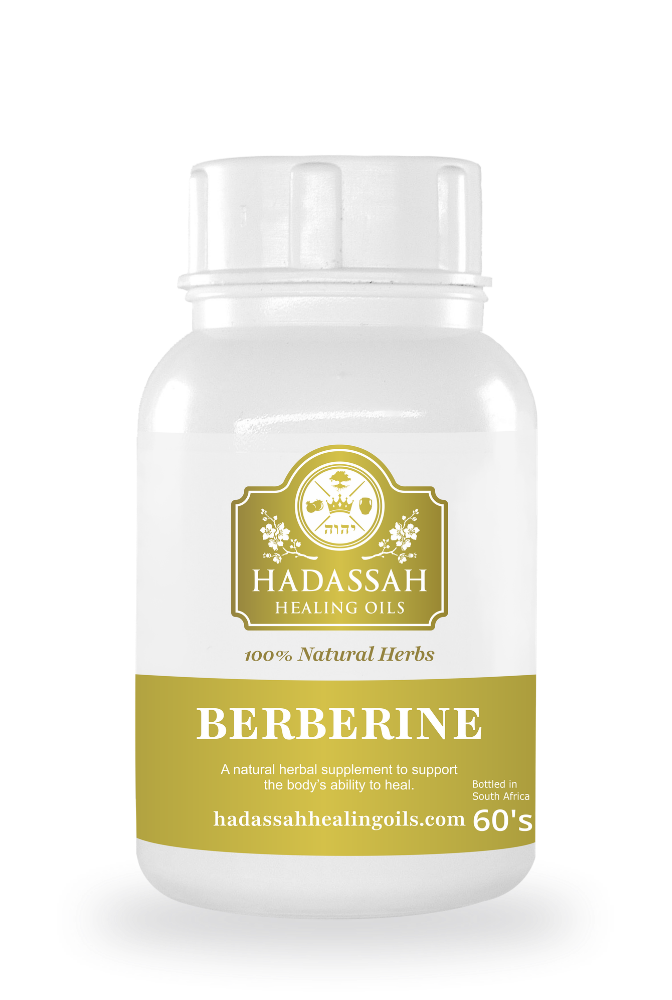
BERBERINE CAPSULES 60’S
R420.00 Incl. VAT
BERBERINE CAPSULES 60’S
Our Berberine Supplement provides a high-potency 98% pure Berberine Hydrochloride extract, scientifically formulated to support healthy blood sugar levels, weight management, cholesterol balance, and metabolic function.
In stock
- 100% Natural
- 100% Pure Essential Oils
- 100% Manufacturing Guarantee
- Share to social media
Description
Directions for Use
Warning
Ingredients
Technical Information
BERBERINE CAPSULES 60’S
Our Berberine Supplement provides a high-potency 98% pure Berberine Hydrochloride extract, scientifically formulated to support healthy blood sugar levels, weight management, cholesterol balance, and metabolic function.
By activating AMPK, the body’s natural metabolic regulator, this supplement enhances glucose uptake, improves insulin sensitivity, and promotes fat metabolism, making it ideal for individuals managing type 2 diabetes, insulin resistance, PCOS, or metabolic syndrome. With its hydrochloride form for optimal absorption and clinically studied 500 mg strength per capsule, our Berberine offers comprehensive support for cardiovascular health, inflammation reduction, and digestive balance, all in a convenient, easy-to-use daily dose.
BERBERINE CAPSULES 60’S
Adults: 1-2x capsules daily with meals.
Children over 6 years
half x capsule daily
Children over 16 years:
same as adults
BERBERINE CAPSULES 60’S
- Not suitable for pregnancy or breastfeeding.
- Not recommended for children without medical supervision.
- May lower blood sugar and blood pressure — use cautiously with related medications.
- Avoid use if taking blood thinners, unless advised by a healthcare provider.
- Stop use at least 2 weeks before surgery.
Do not exceed 2000 mg daily — overdose may cause nausea, diarrhea, low blood sugar, or dizziness
BERBERINE CAPSULES 60’S
98% pure Berberine Hydrochloride extract
500mg
Disorders Treated with Berberine – Dosage Guide
| Disorder/Condition | How Berberine Helps | Suggested Dosage (500 mg) |
| Bacterial Infections | Supports natural defense against bacterial overgrowth | 2–3 times daily with meals |
| Candida Overgrowth & Fungal Infections | Assists in controlling fungal imbalances and yeast infections | 2–3 times daily with meals |
| Cognitive Support & Neuroprotection | Contributes to healthy brain function and cognitive performance | 1–2 times daily with meals |
| Dyslipidaemia (High Cholesterol) | Supports healthy cholesterol and triglyceride levels | 2 times daily with meals |
| Digestive Imbalance & SIBO | Aids in correcting gut microbiota and reducing bacterial overgrowth | 2–3 times daily with meals |
| H. pylori Support | Assists in managing Helicobacter pylori-related digestive issues | 3 times daily with meals, for 4–6 weeks |
| High Blood Pressure | Supports vascular health and promotes healthy blood pressure | 2 times daily with meals |
| Inflammation & Autoimmune Support | Helps reduce systemic inflammation and immune overactivity | 1–2 times daily with meals |
| Metabolic Syndrome | Comprehensive support for metabolic health, cholesterol, blood sugar, and blood pressure | 2 times daily with meals |
| Fatty Liver (NAFLD) | Supports liver health and fat metabolism | 2 times daily with meals |
| Weight Management | Promotes healthy fat metabolism and appetite control | 2 times daily with meals |
| PCOS (Polycystic Ovary Syndrome) | Assists hormonal balance, insulin sensitivity, and reproductive health | 2 times daily with meals |
| Type 2 Diabetes & Insulin Resistance | Supports healthy blood sugar balance and insulin function | 2 times daily with meals |
Key Benefits of Berberine
- Anti-inflammatory Effects
Reduces systemic inflammation by suppressing NF-κB and inflammatory cytokines like TNF-α and IL-6, beneficial for metabolic, cardiovascular, and autoimmune conditions. - Antimicrobial Action
Exerts broad-spectrum activity against bacteria, fungi (including Candida), parasites, and some viruses by disrupting microbial DNA and inhibiting replication enzymes. - Antioxidant Activity
Neutralizes free radicals and supports endogenous antioxidant defenses, protecting cells from oxidative stress and damage. - Blood Sugar Control
Improves insulin sensitivity and reduces blood glucose levels by activating AMPK and enhancing cellular glucose uptake. Comparable to Metformin in some clinical studies for type 2 diabetes management. - Cardiovascular Protection
Improves endothelial function, reduces arterial stiffness, and supports healthy blood pressure through metabolic and anti-inflammatory mechanisms. - Cholesterol and Lipid Reduction
Lowers total cholesterol, LDL (“bad” cholesterol), and triglycerides while modestly increasing HDL (“good” cholesterol). Improves lipid metabolism and cardiovascular risk profile. - Cognitive and Neuroprotective Potential
Emerging evidence suggests benefits for brain health, including improved cognitive function and protection against neurodegenerative processes, likely via AMPK activation and reduced inflammation. - Gut Health and H. pylori Support
Restores healthy gut microbiota balance, reduces pathogenic overgrowth, and helps combat H. pylori infections. Enhances gut barrier integrity. - Liver Health
Helps reduce fat accumulation in the liver and supports liver enzyme balance, contributing to fatty liver disease management. - Polycystic Ovary Syndrome (PCOS) Support
Improves insulin resistance, reduces androgens, and assists with weight management in women with PCOS, making it a natural adjunct to standard care. - Weight Management and Fat Metabolism
Supports fat loss by stimulating fat oxidation, reducing fat storage, and modulating hunger-related pathways. Helps with metabolic syndrome and obesity through AMPK activation.
BERBERINE CAPSULES 60’S
What is Berberine?
Berberine is a naturally occurring isoquinoline alkaloid, extracted from various plants, most notably species like Barberry (Berberis vulgaris), Goldenseal (Hydrastis canadensis), Oregon Grape (Mahonia aquifolium), and Coptis chinensis (Chinese Goldthread). It has been used for thousands of years in Traditional Chinese Medicine, Ayurveda, and Western Herbal Medicine, primarily for its powerful antimicrobial, metabolic, and anti-inflammatory properties.
Chemical Classification:
Berberine belongs to the protoberberine subclass of alkaloids and is known for its distinctive bright yellow colour, often used historically as a dye.
The most common supplemental form is Berberine Hydrochloride (Berberine HCl), a stabilized, highly concentrated version with improved absorption.
How It Works (Biochemical Mechanisms):
The primary mode of action for Berberine is the activation of AMP-activated protein kinase (AMPK), often referred to as the “metabolic master switch”. AMPK regulates how the body produces and uses energy, directly influencing glucose metabolism, fat burning, and cellular repair mechanisms.
In addition, Berberine:
- Interferes with microbial DNA replication, making it effective against bacteria, fungi, and parasites.
- Inhibits enzymes like FtsZ, preventing bacterial cell division.
- Modulates gut microbiota, favouring beneficial bacteria and suppressing pathogens.
- Downregulates inflammatory signaling pathways, especially NF-κBand cytokine production.
- Improves insulin sensitivityand reduces blood sugar levels by enhancing glucose uptake and reducing glucose production in the liver.
- Reduces cholesterol absorptionin the intestines and increases LDL receptor activity in the liver.
Main Health Benefits:
- Antimicrobial: Effective against a wide range of bacteria, fungi (including Candida), parasites, and some viruses.
- Blood Sugar Regulation: Supports healthy glucose metabolism; often compared to Metformin for type 2 diabetes support.
- Weight Management: Reduces body fat accumulation through AMPK activation and improves fat metabolism.
- Cholesterol Support: Lowers total cholesterol, LDL, and triglycerides while improving HDL levels.
- Gut Health: Fights intestinal pathogens like H. pylori and improves microbial diversity.
- Anti-inflammatory: Reduces systemic inflammation, beneficial for metabolic syndrome and cardiovascular health.
- Cardiovascular Protection: Lowers blood pressure and improves endothelial function.
Natural Sources of Berberine:
- Barberry (Berberis vulgaris)
- Goldenseal (Hydrastis canadensis)
- Oregon Grape (Mahonia aquifolium)
- Chinese Goldthread (Coptis chinensis)
- Phellodendron (Amur Cork Tree)
Supplement Forms:
- Berberine Hydrochloride (HCl)– most commonly used in clinical supplements.
- Berberine Sulfate– sometimes used in gut-specific applications.
- Whole herb extractscontaining Berberine (e.g., Barberry Bark, Goldenseal Root).
Scientific Summary:
Berberine is a potent plant alkaloid with diverse biological effects, validated by modern research for its role in supporting metabolic health, controlling infections, improving cardiovascular function, and assisting weight management. Its broad-spectrum actions make it a key ingredient in herbal medicine, integrative health, and natural formulations.
How Berberine is Made
Berberine is extracted from specific plants through a carefully controlled process to isolate and purify the alkaloid in a concentrated form suitable for medicinal use. Here’s how it is typically made:
- Plant HarvestingBerberine is naturally found in the roots, rhizomes, bark, and stems of several plants, including:
- Berberis vulgaris(Barberry)
- Coptis chinensis(Chinese Goldthread)
- Hydrastis canadensis(Goldenseal)
- Mahonia aquifolium(Oregon Grape)
- Phellodendron amurense(Amur Cork Tree)
The most commonly used part depends on the species but is often the roots or bark, where the berberine content is highest.
- Drying and Preparation
The harvested plant material is thoroughly washed, cut, and dried to remove moisture, which prevents spoilage and improves extraction efficiency. - Extraction Process
- The dried plant material undergoes solvent extraction, usually with ethanol, methanol, or hot water.
- The solvent dissolves the active compounds, including berberine, from the plant matrix.
- Sometimes, acidified wateris used to enhance alkaloid solubility.
- Filtration and Concentration
The liquid extract is filtered to remove solid plant residues. The filtrate is then concentrated by evaporation, removing excess solvent to obtain a denser extract rich in berberine and other alkaloids.
- Isolation and Purification
- To obtain high-purity Berberine, additional purification steps are performed.
- Techniques like precipitation, crystallization, and chromatographyseparate berberine from other plant compounds.
- The alkaloid is typically converted to its hydrochloride salt form (Berberine HCl), which increases its stability and bioavailability.
- Drying and Powder Formation
The purified berberine is dried, often through spray-drying, freeze-drying, or vacuum drying, to produce a fine yellow powder with high concentration (typically 97–99% pure Berberine HCl).
- Testing and Quality Control
The final powder undergoes rigorous testing to verify:
- Berberine content percentage
- Absence of contaminants (heavy metals, pesticides, microbes)
- Compliance with pharmacopeial standards
- Packaging
The finished berberine powder is packaged in airtight containers to protect against moisture, oxidation, and light, ensuring product stability.
Summary
Berberine production is a multi-step process involving plant harvesting, solvent extraction, purification, and conversion to Berberine HCl powder. The final product is a pharmaceutical-grade yellow powder with potent biological activity, ready for use in capsules, tablets, or other formulations.
How Berberine Works
Berberine exerts its effects through several well-documented biochemical pathways in the human body, acting on both metabolic regulation and antimicrobial defense. Its primary mode of action revolves around activation of AMP-activated protein kinase (AMPK), but it also interacts with gut microbes, enzymes, and cellular signaling pathways. Here’s a detailed explanation of how Berberine works:
- AMPK Activation(The “Metabolic Master Switch”)
Berberine stimulates AMP-activated protein kinase (AMPK), a critical enzyme that regulates how cells use and produce energy. AMPK is activated when cellular energy levels drop, triggering processes that restore balance.
Effects of AMPK Activation:
- Increases glucose uptake into cells
- Enhances insulin sensitivity
- Promotes fatty acid oxidation (burning fat)
- Reduces cholesterol and triglyceride production in the liver
- Suppresses liver glucose production (gluconeogenesis)
- Blood Sugar and Insulin Control
Through AMPK and additional pathways, Berberine improves how the body handles glucose:
- Increases the expression of GLUT4 transporters, enhancing glucose uptake into muscle and fat cells
- Reduces insulin resistance by modulating inflammatory pathways
- Suppresses hepatic glucose production, lowering fasting blood sugar.
- Clinical studies show Berberine’s effect on blood sugar can be comparable to Metformin, a common diabetes drug.
- Antimicrobial Action
Berberine has broad-spectrum antimicrobial properties due to its ability to:
- Intercalate with microbial DNA, interfering with replication
- Inhibit essential bacterial enzymes like FtsZ, blocking cell division
- Disrupt bacterial membranes, leading to leakage and cell death
- Inhibit fungal growth by damaging fungal cell walls
This makes Berberine effective against bacteria, fungi (e.g., Candida), parasites, and pylori.
- Modulation of Gut Microbiota
Berberine alters gut microbiota composition by:
- Reducing harmful bacteria and overgrowth
- Encouraging growth of beneficial species like Akkermansia muciniphila, linked to improved metabolic health
- Supporting gut barrier integrity, reducing systemic inflammation
This microbial modulation contributes to Berberine’s benefits for obesity, metabolic syndrome, and digestive health.
- Cholesterol and Lipid Reduction
Berberine lowers cholesterol through two main mechanisms:
- Upregulating LDL receptorsin the liver, increasing clearance of LDL (“bad” cholesterol)
- Inhibiting enzymes involved in cholesterol synthesis, similar to how statin drugs work, but via a different pathway
Studies show reductions in total cholesterol, LDL, and triglycerides, with modest improvements in HDL (“good” cholesterol).
- Anti-inflammatory Effects
Berberine reduces inflammation by:
- Inhibiting NF-κB, a master regulator of inflammatory cytokines
- Decreasing levels of pro-inflammatory markers, such as TNF-α, IL-6, and CRP
This contributes to its benefits in metabolic health, cardiovascular protection, and chronic inflammation conditions.
- Antioxidant Activity
Berberine neutralizes free radicals and enhances the body’s endogenous antioxidant systems, reducing oxidative stress that contributes to chronic disease.
- Potential Cardiovascular Protection
By combining metabolic, lipid-lowering, anti-inflammatory, and antioxidant effects, Berberine helps protect blood vessels, improve endothelial function, and reduce blood pressure.
Summary
Berberine works by targeting cellular energy metabolism, improving insulin sensitivity, reducing blood sugar, modulating gut bacteria, lowering cholesterol, combating pathogens, and reducing inflammation. Its effects are broad but coordinated, making it highly effective for metabolic disorders, gut health, infections, and cardiovascular support.
Key Benefits of Berberine
- Anti-inflammatory Effects
Reduces systemic inflammation by suppressing NF-κB and inflammatory cytokines like TNF-α and IL-6, beneficial for metabolic, cardiovascular, and autoimmune conditions. - Antimicrobial Action
Exerts broad-spectrum activity against bacteria, fungi (including Candida), parasites, and some viruses by disrupting microbial DNA and inhibiting replication enzymes. - Antioxidant Activity
Neutralizes free radicals and supports endogenous antioxidant defenses, protecting cells from oxidative stress and damage. - Blood Sugar Control
Improves insulin sensitivity and reduces blood glucose levels by activating AMPK and enhancing cellular glucose uptake. Comparable to Metformin in some clinical studies for type 2 diabetes management. - Cardiovascular Protection
Improves endothelial function, reduces arterial stiffness, and supports healthy blood pressure through metabolic and anti-inflammatory mechanisms. - Cholesterol and Lipid Reduction
Lowers total cholesterol, LDL (“bad” cholesterol), and triglycerides while modestly increasing HDL (“good” cholesterol). Improves lipid metabolism and cardiovascular risk profile. - Cognitive and Neuroprotective Potential
Emerging evidence suggests benefits for brain health, including improved cognitive function and protection against neurodegenerative processes, likely via AMPK activation and reduced inflammation. - Gut Health and H. pylori Support
Restores healthy gut microbiota balance, reduces pathogenic overgrowth, and helps combat H. pylori infections. Enhances gut barrier integrity. - Liver Health
Helps reduce fat accumulation in the liver and supports liver enzyme balance, contributing to fatty liver disease management. - Polycystic Ovary Syndrome (PCOS) Support
Improves insulin resistance, reduces androgens, and assists with weight management in women with PCOS, making it a natural adjunct to standard care. - Weight Management and Fat Metabolism
Supports fat loss by stimulating fat oxidation, reducing fat storage, and modulating hunger-related pathways. Helps with metabolic syndrome and obesity through AMPK activation.
Key Benefits of Berberine with research
- Anti-inflammatory Effects:Berberine reduces inflammation by downregulating NF-κB and suppressing pro-inflammatory cytokines such as TNF-α and IL-6. Studies in Clinical Science (2008) and Biochemical Pharmacology (2013) confirmed its anti-inflammatory effects, making it beneficial for metabolic syndrome, cardiovascular health, and autoimmune conditions.
- Antimicrobial Action:Berberine has broad-spectrum antimicrobial activity, disrupting bacterial DNA, inhibiting division enzymes like FtsZ, and damaging microbial membranes. Research in Antimicrobial Agents and Chemotherapy (1999) and Frontiers in Microbiology (2020) demonstrated its effectiveness against bacteria (including MRSA), fungi like Candida, parasites, and some viruses.
- Antioxidant Activity:Berberine scavenges free radicals and enhances endogenous antioxidant systems, reducing oxidative stress. Research published in Oxidative Medicine and Cellular Longevity (2018) demonstrated its ability to increase antioxidant enzyme levels and reduce markers of oxidative damage in various tissues.
- Blood Sugar Control:Berberine significantly improves insulin sensitivity and lowers blood glucose levels by activating AMPK and enhancing glucose uptake in cells. Clinical studies show it can reduce fasting blood sugar, HbA1c, and post-meal glucose levels, with some trials demonstrating effects comparable to Metformin. A 2012 meta-analysis in Metabolism confirmed Berberine’s efficacy in type 2 diabetes management.
- Cardiovascular Protection:Berberine improves endothelial function, reduces arterial stiffness, and lowers blood pressure through its metabolic, anti-inflammatory, and antioxidant actions. Multiple studies, including those in Cardiovascular Therapeutics (2013) and American Journal of Cardiology (2012), confirmed improvements in vascular health and reductions in cardiovascular risk factors.
- Cholesterol and Lipid Reduction:Berberine lowers total cholesterol, LDL, and triglycerides while moderately increasing HDL. It works by upregulating LDL receptors and inhibiting cholesterol synthesis. A 2008 study in Metabolism and a 2015 systematic review in PLoS One confirmed Berberine’s lipid-lowering effects, especially in individuals with hyperlipidemia.
- Cognitive and Neuroprotective Potential:Emerging evidence suggests Berberine supports brain health by activating AMPK, reducing neuroinflammation, and protecting neurons. Animal studies and preliminary human trials, such as those in Brain Research (2012) and Neurochemical Research (2017), indicate benefits for cognitive function, memory, and neurodegenerative disease prevention.
- Gut Health and H. pylori Support:Berberine positively modulates gut microbiota by suppressing harmful bacteria, encouraging beneficial strains like Akkermansia, and improving gut barrier integrity. Clinical studies, including those in Helicobacter (2017) and Phytotherapy Research (2018), showed that Berberine helps combat H. pylori and supports gut health.
- Liver Health:Berberine helps reduce hepatic fat accumulation, supports liver enzymes, and assists in managing non-alcoholic fatty liver disease (NAFLD). Clinical research in Hepatology (2012) and Journal of Translational Medicine (2019) demonstrated significant improvements in liver fat content, enzyme levels, and overall liver function in individuals with NAFLD.
- Polycystic Ovary Syndrome (PCOS) Support:Berberine improves insulin resistance, reduces androgen levels, and supports weight loss in women with PCOS. A randomized controlled trial in Clinical Endocrinology (2012) and a 2018 meta-analysis in Gynecological Endocrinology confirmed its beneficial effects on hormonal balance, ovulation, and metabolic parameters in PCOS.
- Weight Management and Fat Metabolism:Berberine supports fat loss by stimulating AMPK, promoting fat oxidation, reducing fat storage, and regulating appetite hormones. Studies published in Phytomedicine (2012) and Evidence-Based Complementary and Alternative Medicine (2012) demonstrated that Berberine reduced body mass index, waist circumference, and overall weight in overweight individuals.
When to Use Berberine with Timing Guidelines
- Anti-inflammatory and Autoimmune Conditions:Berberine reduces inflammatory cytokines and supports immune regulation, making it beneficial for chronic inflammation and autoimmune flare-ups. It should be taken 2–3 times daily with meals, often as part of a broader anti-inflammatory protocol that includes dietary changes and supportive nutrients.
- Blood Sugar Control:Berberine improves insulin sensitivity and reduces liver glucose production, making it ideal for individuals with elevated blood sugar, insulin resistance, pre-diabetes, or type 2 diabetes. It should be taken 2–3 times daily with meals, especially with carbohydrate-rich meals, to help regulate post-meal glucose spikes and improve overall glycaemic control.
- Cardiovascular Support:Berberine enhances endothelial function, reduces arterial stiffness, improves cholesterol levels, and lowers blood pressure, making it valuable for individuals with cardiovascular risk or metabolic syndrome. It should be taken 2–3 times daily with meals, preferably with other cardiovascular supplements if recommended.
- Fatty Liver (NAFLD):Berberine helps reduce fat accumulation in the liver and improves liver enzyme balance, supporting liver health in individuals with non-alcoholic fatty liver disease. It should be taken 2–3 times daily with meals, with consistent use for 8–12 weeks, followed by reassessment.
- General Preventative Use:Individuals with a family history of metabolic disorders, diabetes, cardiovascular disease, or obesity may use low-dose Berberine as a preventative measure. It should be taken 1–2 times daily with meals, usually at breakfast and dinner, to support long-term metabolic health.
- Gut Infections and H. pylori:Berberine is highly effective for gut dysbiosis, Candida overgrowth, or H. pylori infections due to its broad-spectrum antimicrobial action. It is taken 2–3 times daily with meals, often in combination with other antimicrobial herbs, for 4–6 weeks, followed by probiotic support to restore microbiome balance.
- High Cholesterol or Lipids:Berberine lowers total cholesterol, LDL, and triglycerides while improving HDL levels, making it a suitable option for individuals with dyslipidemia. It should be taken 2–3 times daily with meals, ideally with breakfast and dinner, for consistent lipid-lowering effects.
- Metabolic Syndrome:People with abdominal obesity, elevated blood pressure, high blood sugar, and abnormal cholesterol benefit from Berberine as part of an integrated metabolic support protocol. It should be taken 2–3 times daily with meals, targeting key metabolic windows throughout the day.
- PCOS (Polycystic Ovary Syndrome):Berberine helps women with PCOS by improving insulin resistance, reducing androgen levels, and supporting hormonal balance, especially when weight gain or metabolic dysfunction is present. It should be taken 2–3 times daily with meals, alongside diet and lifestyle modifications.
- Short-Term Gut Microbiome Reset:Berberine can be used in 2–4-week cycles, with meals, to suppress harmful bacteria or fungi as part of a microbiome reset. It is typically followed by probiotic supplementation to re-establish gut balance.
- Weight Management:Berberine promotes fat loss, reduces fat storage, and regulates appetite hormones, making it useful during weight loss programs, especially for individuals with metabolic resistance or cravings. It should be taken 2–3 times daily before or with meals, particularly meals higher in carbohydrates or fat, to support appetite control and metabolic efficiency.
- Here is the simplified Berberine Dosage Table, showing only the standard 500 mg dose, with clear, single daily dosage suggestions for each use case:
Table, showing only the standard 500 mg dose, with clear, single daily dosage suggestions for each use case:
| When to Use (Adjustable Text) | Suggested 500 mg Daily Dose | Timing Instructions |
| Anti-inflammatory support (chronic inflammation, autoimmune flare-ups) | 1 x 500 mg daily | With meals, part of anti-inflammatory protocol |
| Blood sugar balance (pre-diabetes, type 2 diabetes, insulin resistance) | 2 x 500 mg daily | With meals, especially breakfast and dinner |
| Cardiovascular health (cholesterol, blood pressure, heart protection) | 2 x 500 mg daily | With meals, ideally breakfast and dinner |
| Fatty liver (NAFLD, liver fat reduction) | 2 x 500 mg daily | With meals, for consistent use over 8–12 weeks |
| General prevention (family history of diabetes, heart disease, metabolic disorders) | 1 x 500 mg daily | With meals, breakfast or dinner |
| Gut infections (Candida, dysbiosis, SIBO, H. pylori) | 3 x 500 mg daily | With meals, for 4–6 weeks, followed by probiotics |
| High cholesterol and lipids (LDL, triglycerides, HDL improvement) | 2 x 500 mg daily | With meals, breakfast and dinner |
| Metabolic syndrome (multiple metabolic risk factors) | 2 x 500 mg daily | With meals, evenly spaced for consistent support |
| PCOS support (hormonal balance, insulin sensitivity, androgen reduction) | 2 x 500 mg daily | With meals, alongside diet and lifestyle adjustments |
| Short-term microbiome reset (gut rebalancing, pathogenic overgrowth) | 3 x 500 mg daily | With meals, for 2–4 weeks, followed by probiotics |
| Weight management (fat loss, appetite regulation, cravings) | 2 x 500 mg daily | Before or with meals, especially higher-carb meals |
Notes:
- For gut infections or microbiome reset, 3 x 500 mg dailyis recommended for short-term intensive use.
- For general maintenance, prevention, or mild support, 1 x 500 mg dailyis sufficient.
- Most other uses benefit from 2 x 500 mg daily, spaced with meals.
Description
Directions for Use
Warning
Technical Information
BERBERINE CAPSULES 60’S
Our Berberine Supplement provides a high-potency 98% pure Berberine Hydrochloride extract, scientifically formulated to support healthy blood sugar levels, weight management, cholesterol balance, and metabolic function.
By activating AMPK, the body’s natural metabolic regulator, this supplement enhances glucose uptake, improves insulin sensitivity, and promotes fat metabolism, making it ideal for individuals managing type 2 diabetes, insulin resistance, PCOS, or metabolic syndrome. With its hydrochloride form for optimal absorption and clinically studied 500 mg strength per capsule, our Berberine offers comprehensive support for cardiovascular health, inflammation reduction, and digestive balance, all in a convenient, easy-to-use daily dose.
BERBERINE CAPSULES 60’S
Adults: 1-2x capsules daily with meals.
Children over 6 years
half x capsule daily
Children over 16 years:
same as adults
BERBERINE CAPSULES 60’S
- Not suitable for pregnancy or breastfeeding.
- Not recommended for children without medical supervision.
- May lower blood sugar and blood pressure — use cautiously with related medications.
- Avoid use if taking blood thinners, unless advised by a healthcare provider.
- Stop use at least 2 weeks before surgery.
Do not exceed 2000 mg daily — overdose may cause nausea, diarrhea, low blood sugar, or dizziness
Description
Directions for Use
Ingredients
Warning
BERBERINE CAPSULES 60’S
Our Berberine Supplement provides a high-potency 98% pure Berberine Hydrochloride extract, scientifically formulated to support healthy blood sugar levels, weight management, cholesterol balance, and metabolic function.
By activating AMPK, the body’s natural metabolic regulator, this supplement enhances glucose uptake, improves insulin sensitivity, and promotes fat metabolism, making it ideal for individuals managing type 2 diabetes, insulin resistance, PCOS, or metabolic syndrome. With its hydrochloride form for optimal absorption and clinically studied 500 mg strength per capsule, our Berberine offers comprehensive support for cardiovascular health, inflammation reduction, and digestive balance, all in a convenient, easy-to-use daily dose.
BERBERINE CAPSULES 60’S
Adults: 1-2x capsules daily with meals.
Children over 6 years
half x capsule daily
Children over 16 years:
same as adults
BERBERINE CAPSULES 60’S
- Not suitable for pregnancy or breastfeeding.
- Not recommended for children without medical supervision.
- May lower blood sugar and blood pressure — use cautiously with related medications.
- Avoid use if taking blood thinners, unless advised by a healthcare provider.
- Stop use at least 2 weeks before surgery.
Do not exceed 2000 mg daily — overdose may cause nausea, diarrhea, low blood sugar, or dizziness